
 Save
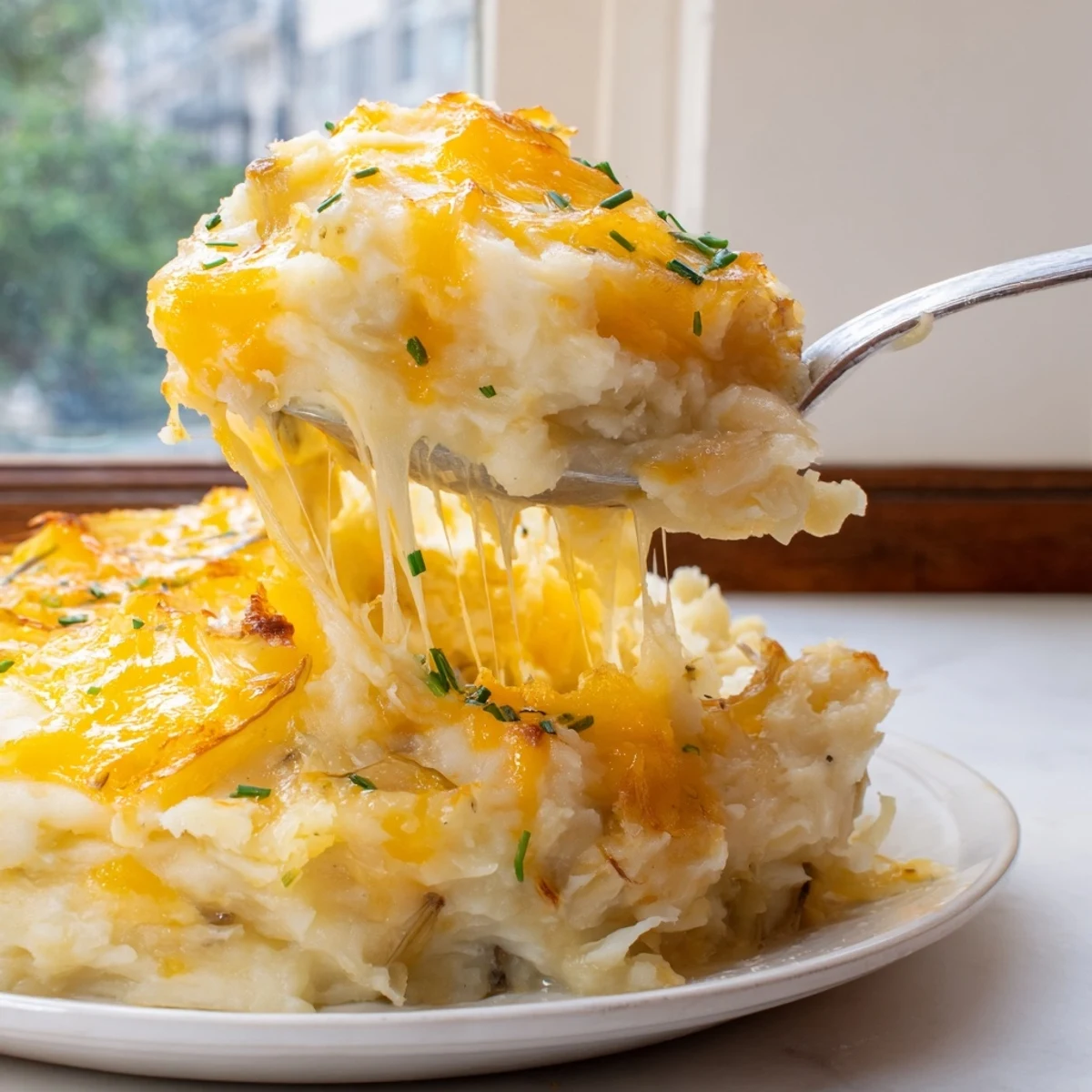
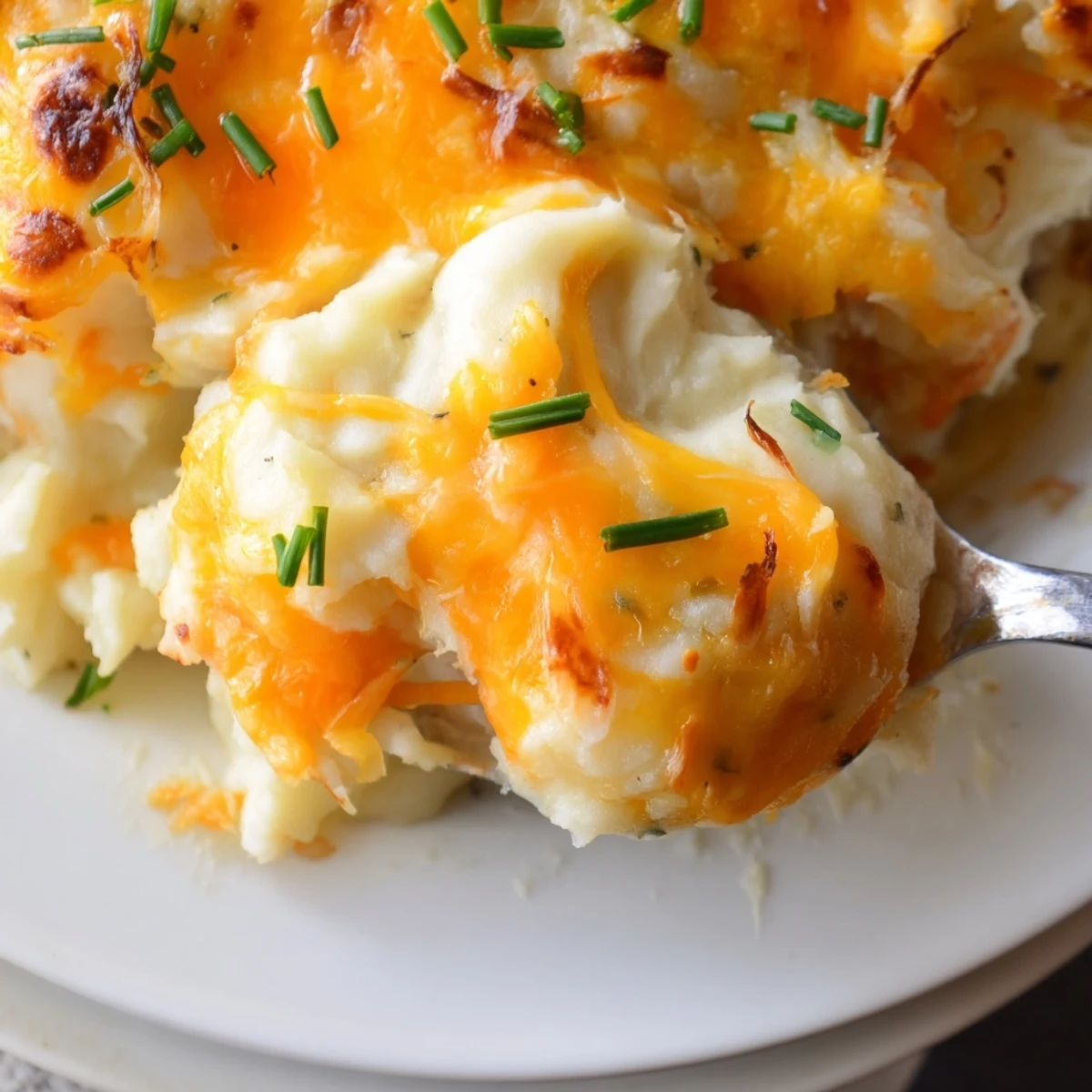
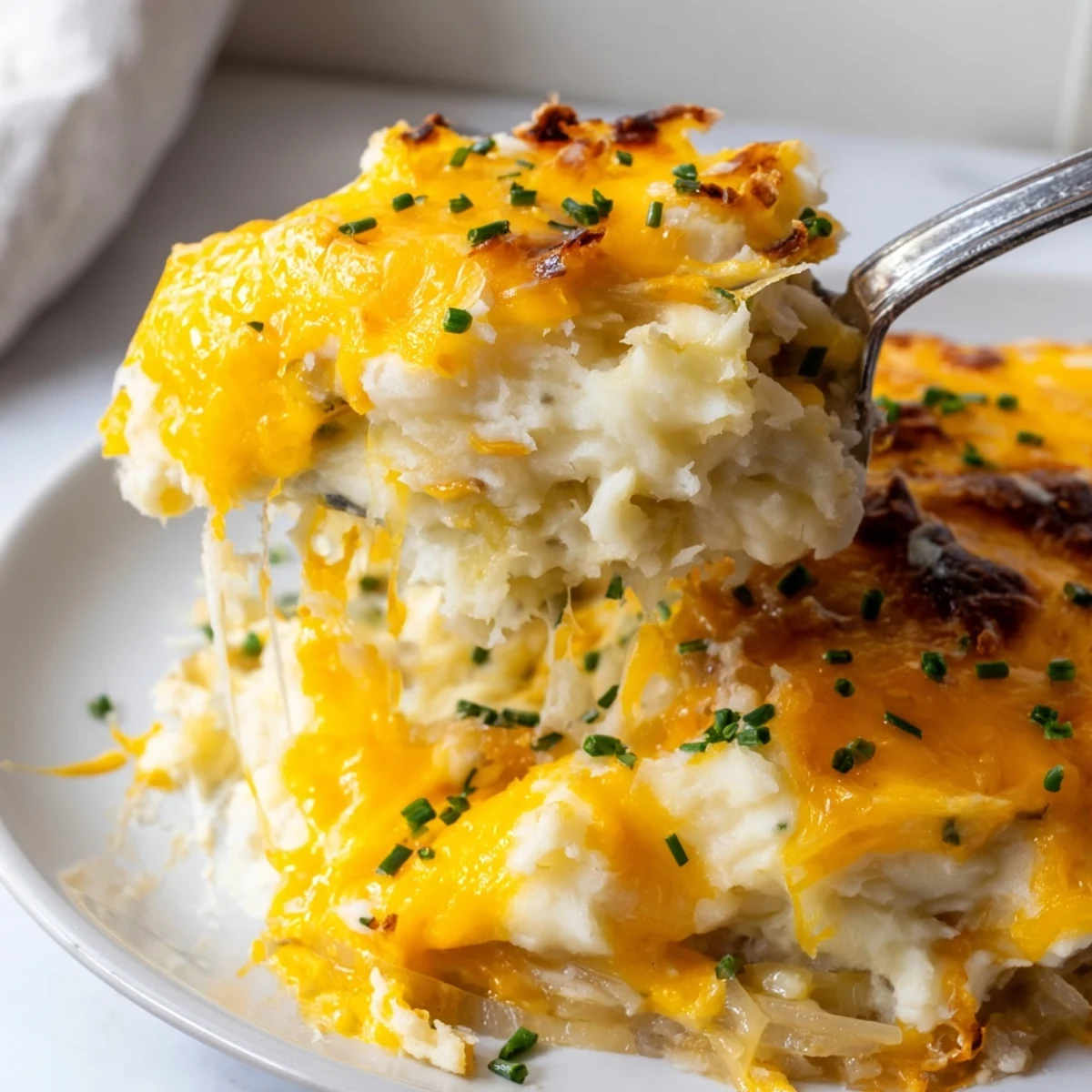
Save This cheesy onion mashed potato casserole brings together buttery, fluffy mashed potatoes with sweet caramelized onions and a generous layer of melted sharp cheddar and parmesan. Baked until golden and bubbling, it makes an irresistible side dish for holiday dinners, potlucks, or any comfort food spread.
Ready in about an hour with simple ingredients, this vegetarian casserole is easy to prepare ahead and reheat, making it a reliable go-to for feeding a crowd.
The rain was hammering against the kitchen window so hard that Tuesday evening that I barely heard the oven timer go off, and honestly that was fine because those extra three minutes gave the cheese a crust so golden it crackled when I pulled the dish out.
My neighbor Dave knocked on my door that rainy night asking if I had any batteries, and instead I handed him a plate of this casserole through the doorway.
Ingredients
- Potatoes: Russet or Yukon Gold both work beautifully here, but Yukon Golds will give you a naturally silkier texture.
- Unsalted butter: Four tablespoons mashed into hot potatoes creates the kind of richness that makes people close their eyes on the first bite.
- Whole milk: Warm it before adding so it blends smoothly and doesnt cool down your potatoes mid mash.
- Sharp cheddar cheese: Dividing it between the mash and the topping ensures cheese in every single forkful.
- Parmesan cheese: A half cup grated fine adds a nutty saltiness that cheddar alone cant achieve.
- Sour cream: This is the secret to that tangy, almost whipped texture that keeps the casserole from feeling heavy.
- Yellow onions: Two large ones seem like a lot raw, but they cook down into sweet, jammy ribbons.
- Olive oil: Used for slowly caramelizing the onions until they are deeply golden and fragrant.
- Garlic: Added late in the onion cooking process so it softens without burning.
- Fresh chives: Optional for garnish, but their mild onion flavor and bright green color wake up the whole dish.
- Salt and black pepper: Season generously because potatoes absorb more salt than you expect.
Instructions
- Get the oven ready:
- Preheat to 375 degrees Fahrenheit and grease a 9 by 13 inch baking dish so nothing sticks when you scoop it out later.
- Boil the potatoes:
- Cover the peeled chunks with cold salted water, bring it to a rolling boil, then drop to a simmer for about fifteen to eighteen minutes until a fork slides through without resistance.
- Caramelize the onions:
- While the potatoes cook, warm olive oil in a large skillet over medium heat and add the sliced onions, stirring often and watching them slowly turn from pale to deep amber over fifteen to twenty minutes, tossing in the garlic only for the last two minutes.
- Mash everything together:
- Drain the potatoes well, then mash with butter, warm milk, sour cream, one cup of cheddar, parmesan, salt, and pepper until the mixture is smooth and there are no stubborn lumps hiding in the corners.
- Fold in the onions:
- Gently stir half of those sweet caramelized onions into the mash so they ripple through without disappearing completely.
- Build the casserole:
- Spread the potato mixture evenly into your prepared dish, scatter the remaining onions across the top, and blanket everything with the rest of the cheddar.
- Bake until bubbly:
- Slide it into the oven uncovered for twenty to twenty five minutes until the cheese melts into a bubbling, golden cap that pulls slightly at the edges.
- Rest and serve:
- Give it five minutes to settle so the layers hold together when you scoop, then scatter fresh chives over the top if you have them.
 Save
Save Dave returned the empty plate the next morning and asked if I was making it again soon, which is honestly the highest compliment a casserole can receive.
Making It Your Own
Swap the cheddar for Gruyere if you want something slightly more sophisticated, or throw in cooked crumbled bacon if meat eaters are at the table and demanding attention.
Prepping Ahead
You can assemble the entire casserole up to a day in advance, cover it tightly, and stash it in the fridge until you are ready to bake, adding about five extra minutes to account for the cold start.
Tools That Actually Matter
A sturdy potato masher will serve you better here than a mixer because overworked potatoes turn gummy and sad, which defeats the entire purpose of comfort food.
- A large pot with plenty of room prevents the potatoes from crowding and cooking unevenly.
- A wide skillet gives the onions the surface area they need to truly caramelize rather than steam.
- Your 9 by 13 baking dish should be lightly greased even if it is nonstick, because melted cheese is relentless.
 Save
Save Keep leftovers covered in the fridge for up to three days, and reheat portions in the oven rather than the microwave so the cheese topping gets another chance to crisp.
Recipe Q&A
- → Can I make this casserole ahead of time?
-
Yes, you can fully assemble the casserole, cover it tightly, and refrigerate it for up to 24 hours before baking. Add an extra 5-10 minutes to the baking time if going straight from the refrigerator into the oven.
- → What type of potatoes work best?
-
Russet potatoes yield the fluffiest, lightest mash, while Yukon Golds produce a creamier, slightly denser texture. Both work beautifully in this casserole, so choose based on your preferred consistency.
- → How do I get the best caramelized onions?
-
Cook sliced onions in olive oil over medium-low heat, stirring frequently. Patience is key—true caramelization takes 15-20 minutes. Avoid high heat, which browns the outside without developing deep, sweet flavor throughout.
- → Can I freeze leftovers?
-
Yes, this casserole freezes well for up to 2 months. Cut into portions, wrap tightly in foil or store in airtight containers, and reheat in a 350°F oven until warmed through, about 25-30 minutes.
- → What can I substitute for sour cream?
-
Plain Greek yogurt or crème fraîche are excellent substitutes for sour cream. Both add the same tangy richness and creamy texture to the mashed potato base.
- → Is this dish gluten-free?
-
Yes, as written this casserole is naturally gluten-free. Always double-check labels on packaged ingredients like cheese and sour cream to ensure no cross-contamination with gluten-containing products.