
 Save
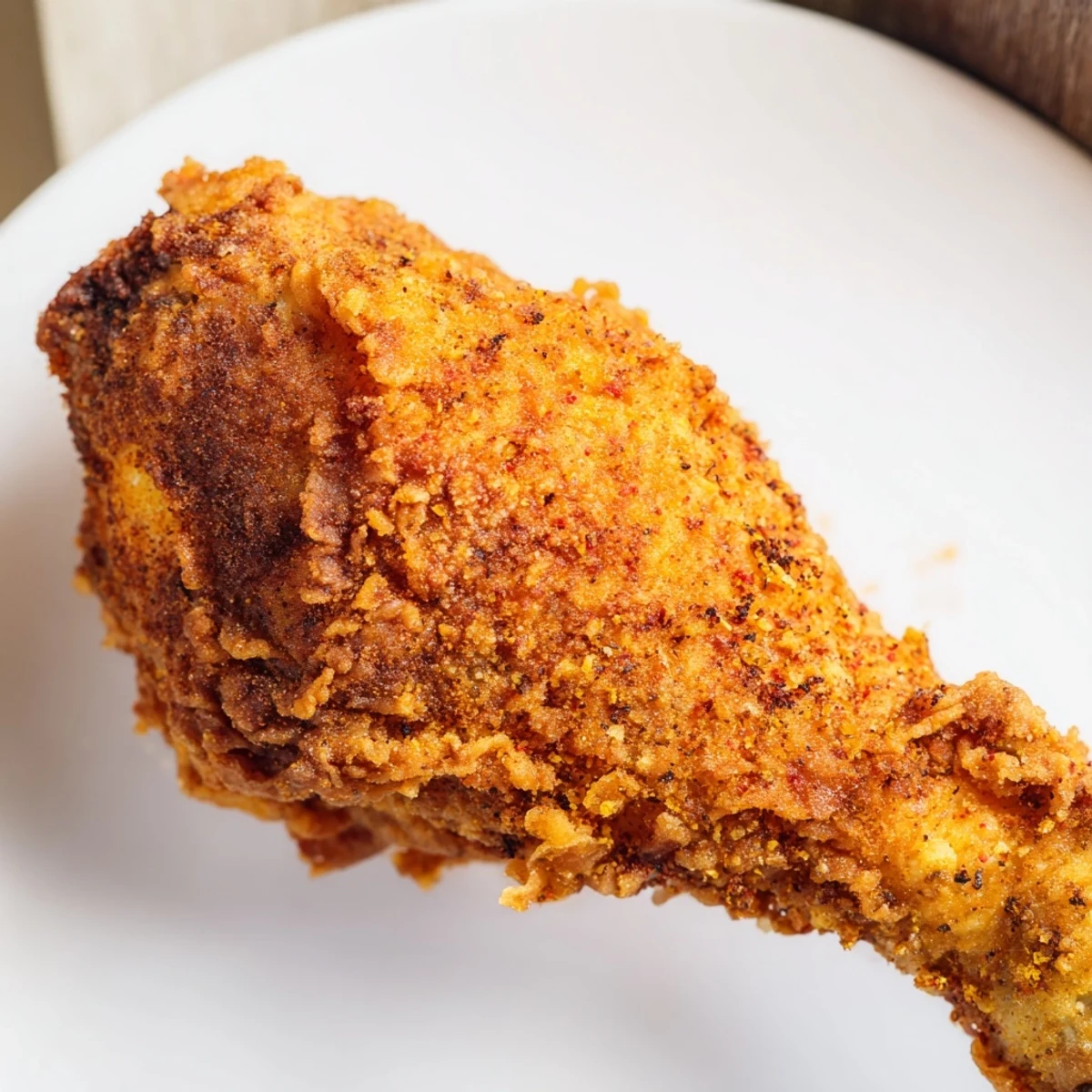
Save American-style fried chicken featuring a crispy, golden exterior and moist, flavorful interior. The buttermilk marinade tenderizes the meat while adding depth, while the seasoned flour coating creates that signature crunch. Perfect for gatherings, this comfort food staple delivers restaurant-quality results at home with a simple double-coating technique and proper temperature control.
The sound of chicken sizzling in hot oil is one of those kitchen moments that stops everything else in its tracks. My grandmother used to make fried chicken on Sundays, and I remember standing on a chair watching her work, completely mesmerized by the golden pieces emerging from that cast iron skillet. She never measured anything, just worked by feel and instinct, which took me years to really understand. Now I make fried chicken when I want to bring that same comfort to my own table, and honestly, nothing beats the first bite when it's still hot from the fryer.
Last summer I made this for a backyard gathering, and people kept drifting into the kitchen just to watch the frying process. Theres something almost hypnotic about seeing those pieces turn that perfect golden brown. My friend Sarah said she hadn't had fried chicken this good since she left her hometown in Tennessee, which felt like the biggest compliment I could have received. We ended up sitting around the table, eating straight from the platter with our fingers, and nobody wanted to leave until every last piece was gone.
Ingredients
- Chicken: Bone in, skin on pieces are essential here because they stay juicy and develop that irresistible crispy skin
- Buttermilk: The acid tenderizes the meat while creating the perfect base for the flour coating to cling to
- Garlic and onion powder: These build that savory backbone that makes you want to keep eating bite after bite
- All purpose flour: Creates that classic crunchy coating we all crave from good fried chicken
- Paprika: Adds beautiful color and a subtle warmth without overwhelming heat
- Baking powder: This is the secret ingredient that makes the coating extra light and crispy
- Vegetable oil: Neutral enough to let the chicken shine while handling high heat without burning
Instructions
- Marinate the chicken:
- Whisk buttermilk with all your marinade spices until well combined, then submerge the chicken completely. The longer it soaks, the more tender and flavorful it becomes, so overnight is ideal but even 2 hours makes a difference.
- Prepare the coating:
- Mix the flour with paprika, salt, pepper, cayenne, and baking powder in a shallow bowl. This dry mixture is what creates that satisfying crunch everyone loves.
- Coat the chicken:
- Lift each piece from the marinade and press firmly into the flour mixture, making sure to get into all the crevices. Letting them rest on a rack for 10 minutes helps the coating set so it won't fall off during frying.
- Heat the oil:
- Pour enough oil into your pot or deep fryer to submerge the chicken completely. Getting it to exactly 175°C (350°F) is crucial for that perfect golden exterior without burning.
- Fry to perfection:
- Carefully lower pieces into the hot oil, working in batches so you don't crowd the pot. Fry for 12-15 minutes, turning occasionally, until they're deeply golden and reach an internal temperature of 75°C (165°F).
- Rest before serving:
- Let the chicken drain on a wire rack for 5 minutes so the coating stays crispy. This brief rest also helps the juices redistribute evenly throughout each piece.
 Save
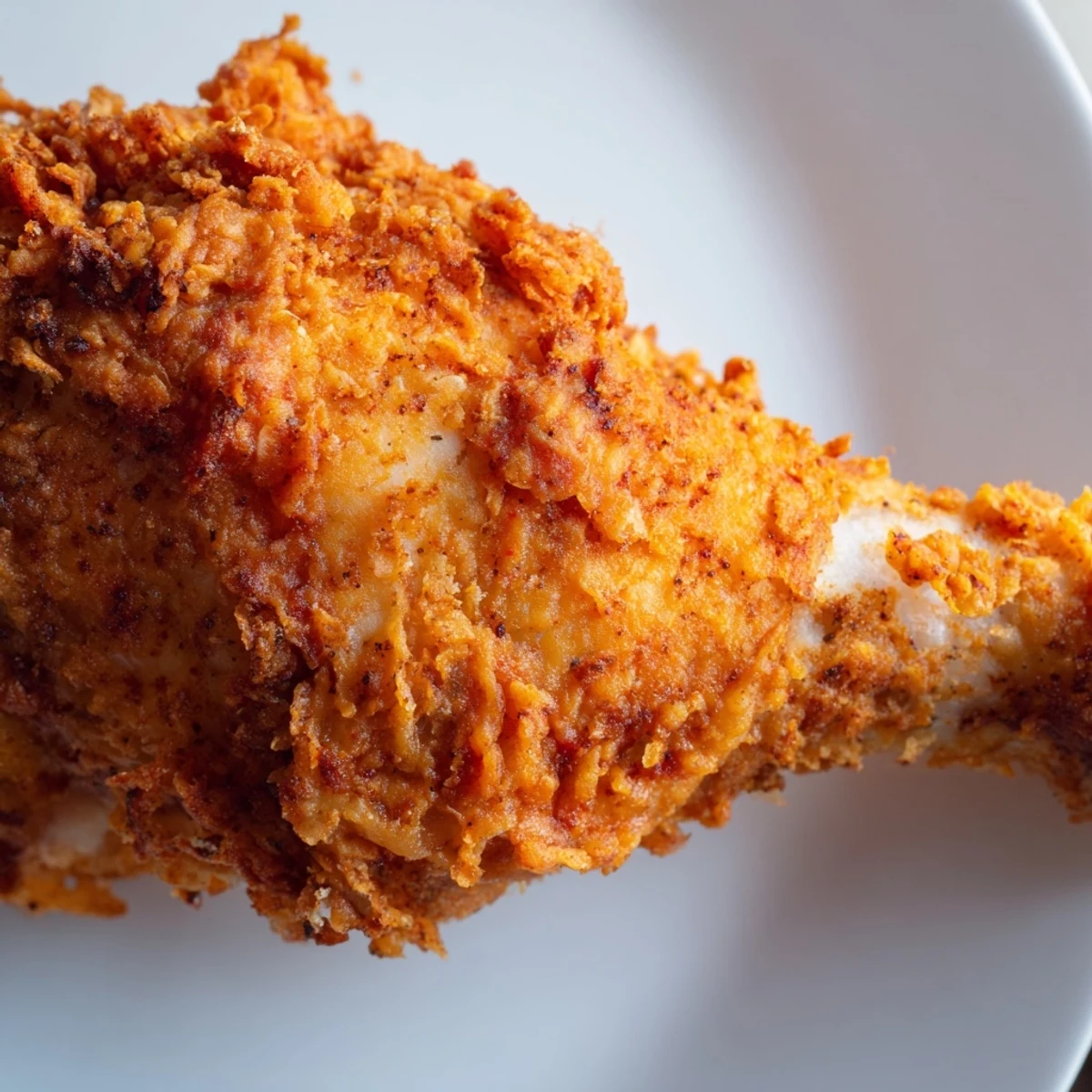
Save This recipe became my go to after I ruined countless batches by either burning the coating or undercooking the meat. The night I finally nailed both aspects, I sat alone at my kitchen table at midnight, eating that first perfectly cooked piece with tears in my eyes. Sometimes the simplest victories in the kitchen are the most meaningful ones.
Making It Extra Crunchy
For that restaurant style crunch, try the double coating method. After the first flour coating, dip the chicken back into the buttermilk for just a second, then press it into the flour mixture again. This creates an incredibly thick, substantial crust that stays crispy even after reheating. I learned this trick from a short order cook who made the best fried chicken I've ever tasted.
Temperature Control
Getting your oil temperature right is the difference between soggy, greasy chicken and perfectly crispy, juicy pieces. Too hot and the outside burns before the inside cooks through, too cold and you end up with oil soaked coating. A good thermometer takes all the guesswork out of the equation and gives you consistent results every single time.
Serving Suggestions
Fried chicken deserves sides that can stand up to its rich, crispy nature. I love it with homemade coleslaw, creamy mashed potatoes, or warm cornbread fresh from the oven. A cold, crisp lager cuts through the richness perfectly, or try chilled sparkling wine if you're feeling fancy. The key is having something cool and refreshing alongside those hot, crunchy pieces.
- Make extra because leftovers disappear incredibly fast
- Set up a toppings bar with hot honey, ranch, or extra spices
- Keep pieces warm in a 200°F oven while finishing the rest
 Save
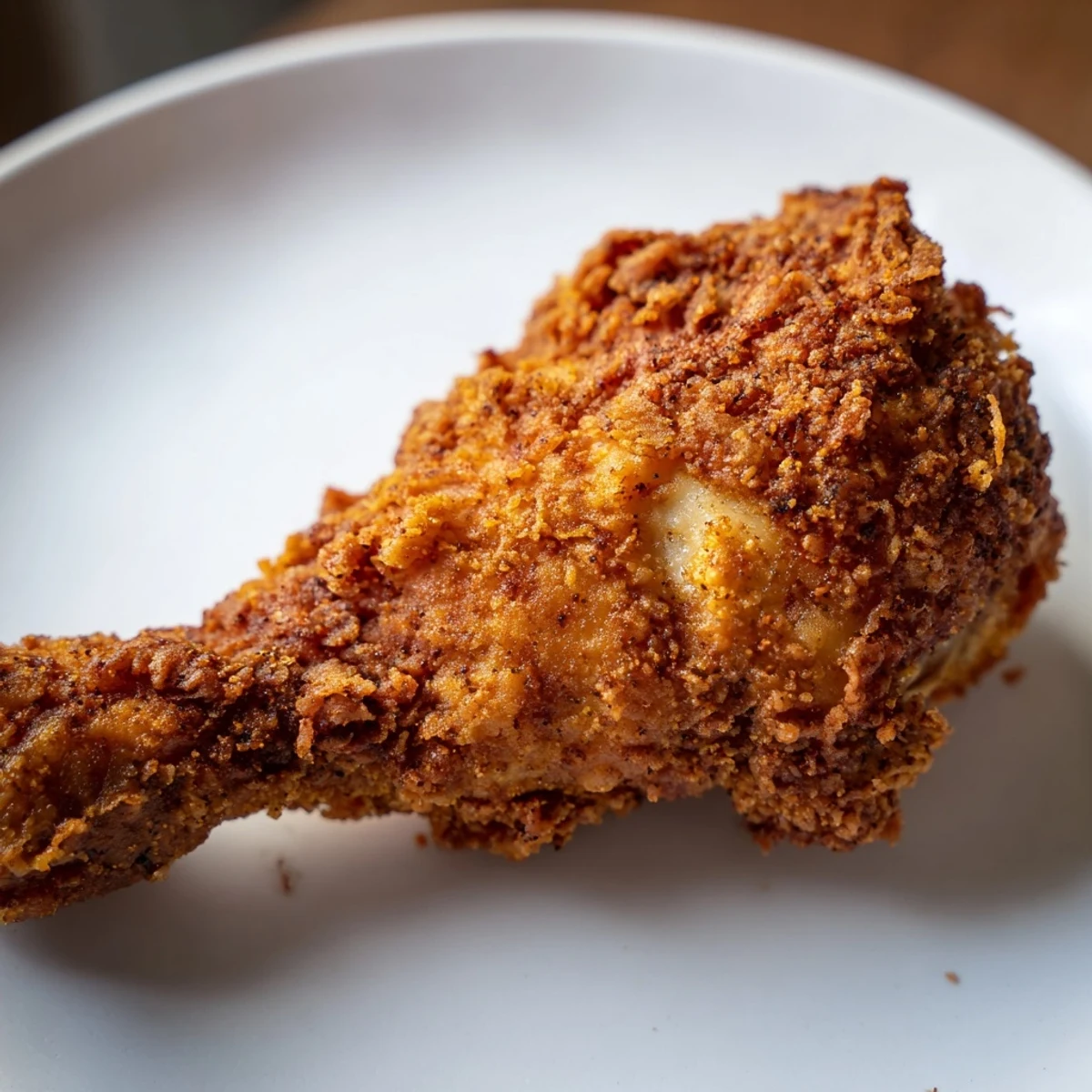
Save There's something almost magical about setting down a platter of homemade fried chicken and watching everyone's faces light up. Make it for people you love, and don't be surprised when they ask for the recipe.
Recipe Q&A
- → How long should I marinate the chicken?
-
Marinate for at least 2 hours, ideally overnight. The longer marination time allows the buttermilk to penetrate and tenderize the meat while infusing the spices throughout.
- → What oil temperature is best for frying?
-
Maintain oil temperature at 175°C (350°F). This ensures the coating crisps quickly without burning while the chicken cooks through to the safe internal temperature of 75°C (165°F).
- → Can I use boneless chicken pieces?
-
Yes, boneless pieces work well but cook faster—reduce frying time to 8-10 minutes. Bone-in, skin-on pieces provide more flavor and stay juicier during the longer cooking process.
- → Why does my coating fall off during frying?
-
This usually happens when the chicken isn't rested after coating or the oil is too cool. Let coated pieces rest 10 minutes before frying, and ensure proper oil temperature for immediate sealing.
- → How do I keep chicken crispy after frying?
-
Place finished pieces on a wire rack rather than paper towels—this allows air circulation and prevents sogginess. Serve immediately for optimal crunch, or keep warm in a 200°F oven.
- → What sides pair well with this dish?
-
Classic accompaniments include creamy coleslaw, buttery mashed potatoes with gravy, fluffy biscuits, or cornbread. A crisp lager or chilled sparkling wine complements the rich flavors beautifully.