
 Save
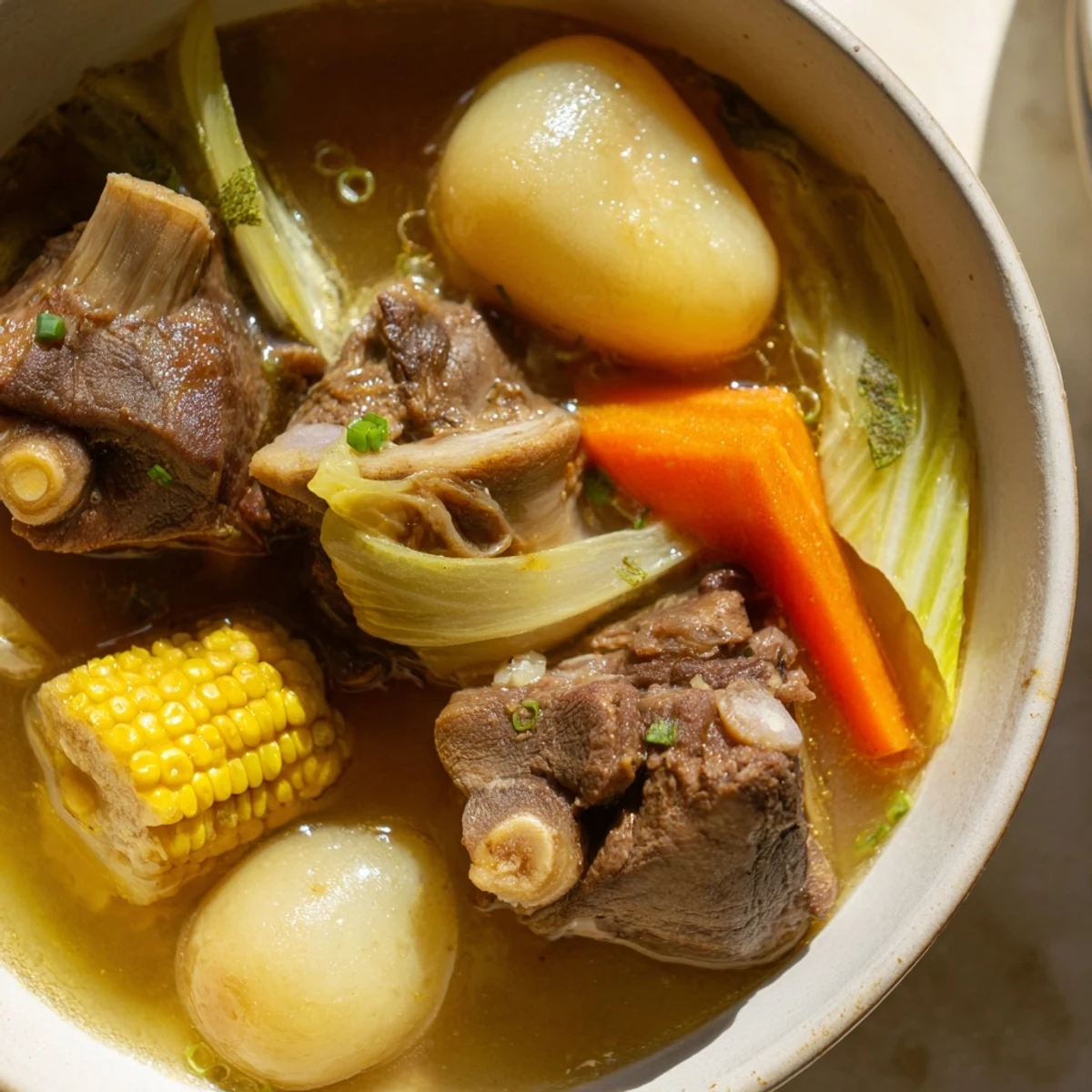
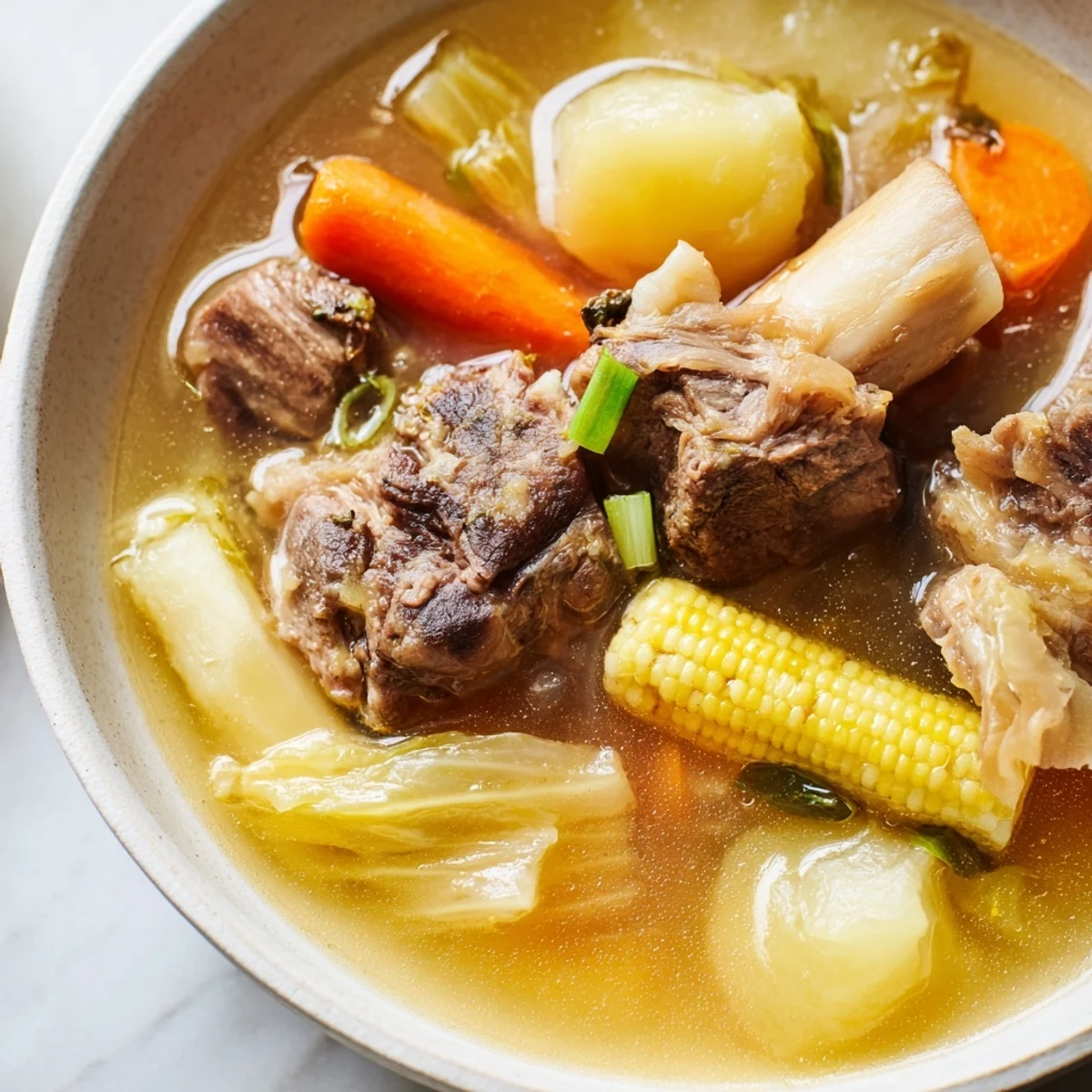
Save This classic Filipino soup transforms beef shank and marrow bones into a deeply nourishing broth over hours of gentle simmering. The result is tender meat that falls off the bone, along with rich, buttery marrow that melts into the soup.
Hearty vegetables like corn, potatoes, carrots, and napa cabbage join the pot in stages, each absorbing the savory essence. Saba bananas add subtle sweetness while green beans bring fresh crunch. The finishing touch—fresh scallions and a squeeze of calamansi—brightens each bowl.
Serve this warming soup alongside steamed jasmine rice for a complete meal. Perfect for cool evenings or whenever you crave comfort in a bowl.
The first time my Lola made bulalo during a rainy weekend in Pampanga, I watched her tend the pot for nearly three hours, explaining that patience was the secret ingredient no recipe could teach. That golden broth, rich with bone marrow and beef shank, became my benchmark for what Filipino comfort food should taste like. Now whenever the weather turns cool, my kitchen fills with that same simmering aroma that takes me straight back to her bamboo-covered terrace.
Last December, I made a massive pot for my husbands birthday dinner. Our friends stayed at the table long after the food was gone, just dipping bread into the remaining broth and talking about their own family recipes. Thats when I realized bulalo isnt just soup, its an invitation to slow down and gather together.
Ingredients
- Beef shank (1.5 kg bone-in): The marrow inside these bones creates that signature silky richness and body
- Beef bone marrow bones (500 g): Optional but worth it, they transform good broth into something extraordinary
- Corn (2 ears): Natural sweetness balances the savory beef and cuts through the richness
- Onion (1 medium, quartered): Adds foundational aroma without overwhelming the clean broth flavor
- Carrot (1 medium): Brings subtle sweetness and beautiful color to the bowl
- Baby potatoes (250 g): They cook evenly and absorb the broth beautifully without falling apart
- Napa cabbage (1 small head): Wilts perfectly into the soup and adds fresh contrast to the long-cooked beef
- Green beans (1 bunch): Keep them snappy, they provide textural interest among the tender vegetables
- Saba bananas (2-3, optional): A traditional Filipino addition that lends gentle sweetness and creaminess
- Water (10 cups): Start with enough, you can always reduce but adding water later dilutes flavor
- Whole black peppercorns (1 tablespoon): Their gentle heat builds slowly and warms you from inside
- Fish sauce (2 tablespoons, plus more): The umami backbone that makes Filipino soups taste like home
- Salt (to taste): Always adjust at the end, the beef will release salt as it cooks
- Chopped scallions (for serving): Fresh onion brightness cuts through the rich broth
- Calamansi or lemon wedges: A squeeze right before eating wakes up all the flavors
Instructions
- Get your beef ready:
- Place beef shank and marrow bones in your largest pot, cover completely with water, and bring to a rolling boil over high heat
- Clean the broth:
- Watch carefully and skim off any gray foam or scum that rises to the surface, this ensures crystal clear soup
- Start the long simmer:
- Add quartered onion, peppercorns, and fish sauce, lower heat to a gentle simmer, cover, and cook for 2 hours until beef yields easily to a fork
- Add the hearty vegetables:
- Toss in potatoes and carrots, let them swim in the broth for about 10 minutes until they begin to soften
- Bring in the sweetness:
- Add corn pieces and plantains if using, along with green beans, and cook another 10 minutes
- Finish with the greens:
- Stir in napa cabbage and cook just 2 to 3 minutes until wilted but still vibrant
- Make it yours:
- Taste the broth and adjust with salt or more fish sauce until it sings exactly how you like it
- Serve it up:
- Ladle into bowls while piping hot, scatter with fresh scallions, and pass calamansi wedges at the table
 Save
Save My niece once asked why we spend nearly three hours making soup when canned broth exists. After one spoonful of the real thing, she understood. Some things in the kitchen cannot be rushed or substituted.
Getting That Clear Broth
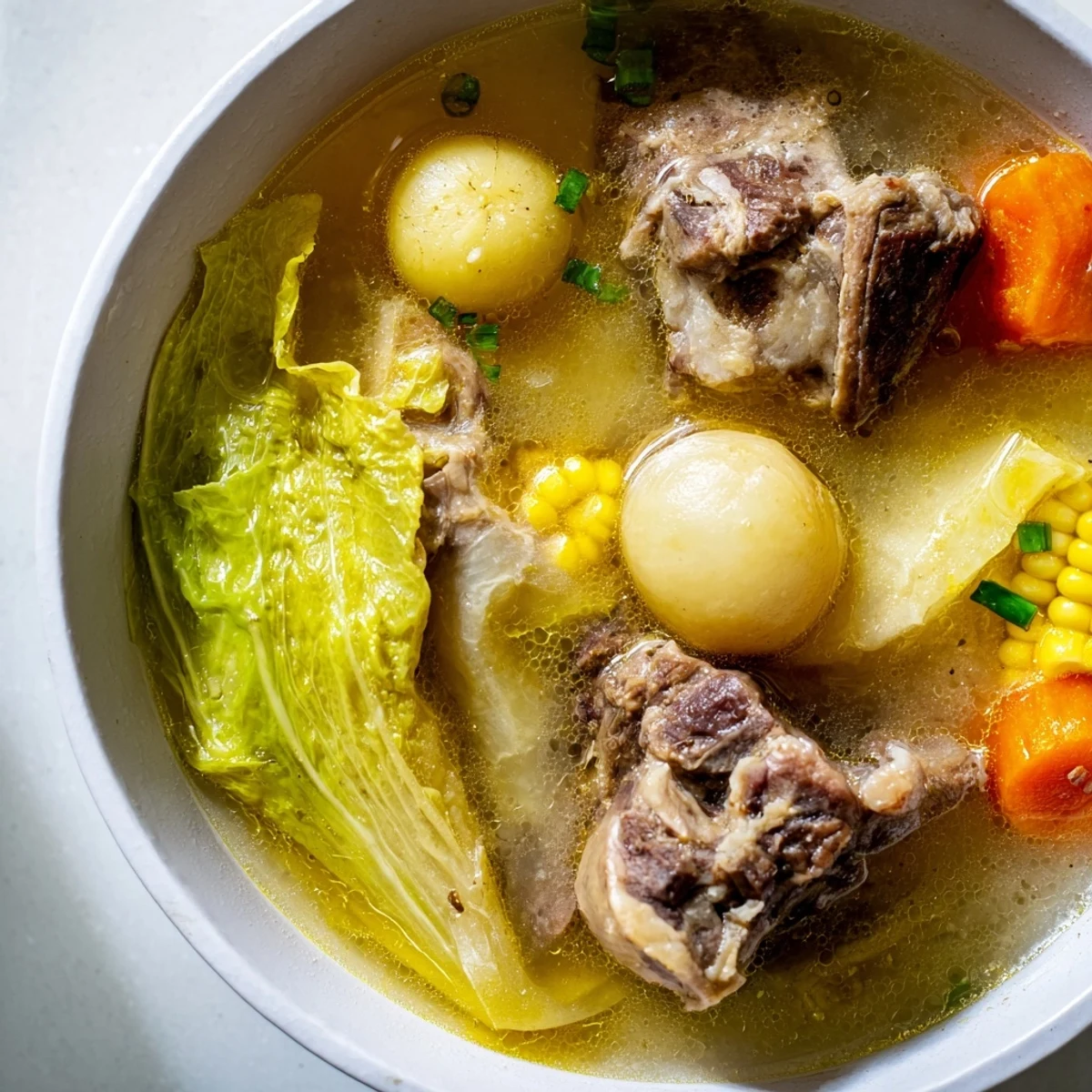
The difference between a cloudy broth and one that gleams like crystal comes down to patience during the first boil. Take those extra minutes to skim thoroughly, and do not rush the initial boil. Your patience will be rewarded in every spoonful.
Choosing Your Vegetables
Traditional bulalo uses whatever is growing nearby, which is why every region has its version. I have learned that starchy vegetables like potatoes and plantains should be added before delicate ones like cabbage and beans. This way everything finishes perfectly tender at the same time.
The Art of Seasoning
Filipino cooking balances salt with acid, which is why the calamansi wedge at the table is not optional. The sour brightness wakes up the rich beef and highlights the vegetables natural flavors.
- Taste your broth after adding fish sauce but before adding salt
- Keep some extra fish sauce at the table for individual adjustment
- Remember the marrow itself is quite rich, so a little acid goes a long way
 Save
Save There is something profoundly satisfying about a soup that asks nothing more from you than time and attention. Share it with people you love.
Recipe Q&A
- → What makes bulalo different from other beef soups?
-
Bulalo stands out for its use of beef shank with bone-in, which releases rich marrow during cooking. This creates a distinctive velvety broth and adds luxurious depth that other beef soups lack.
- → How long should I cook the beef shank?
-
Simmer the beef shank for at least 2 hours until fork-tender. The long, slow cooking time breaks down connective tissue and allows the marrow to infuse the broth with richness.
- → Can I use other vegetables if I can't find napa cabbage?
-
Yes, regular cabbage or bok choy work well as substitutes. The key is adding leafy greens last so they stay vibrant and don't overcook in the hot broth.
- → What is saba banana and where can I find it?
-
Saba is a starchy cooking banana common in Filipino cuisine. Look for it at Asian markets. If unavailable, you can omit it—the soup remains delicious without this optional ingredient.
- → How do I get a clearer broth?
-
Parboil the beef shank briefly first, then discard that water before starting the actual cooking. This initial step removes impurities that can cloud your final broth.