
 Save
Save Create a stunning French-inspired loaf that brings the beloved texture of croissants into bread form. This laminated dough requires patience through multiple rolling, folding, and chilling cycles to develop those signature flaky layers.
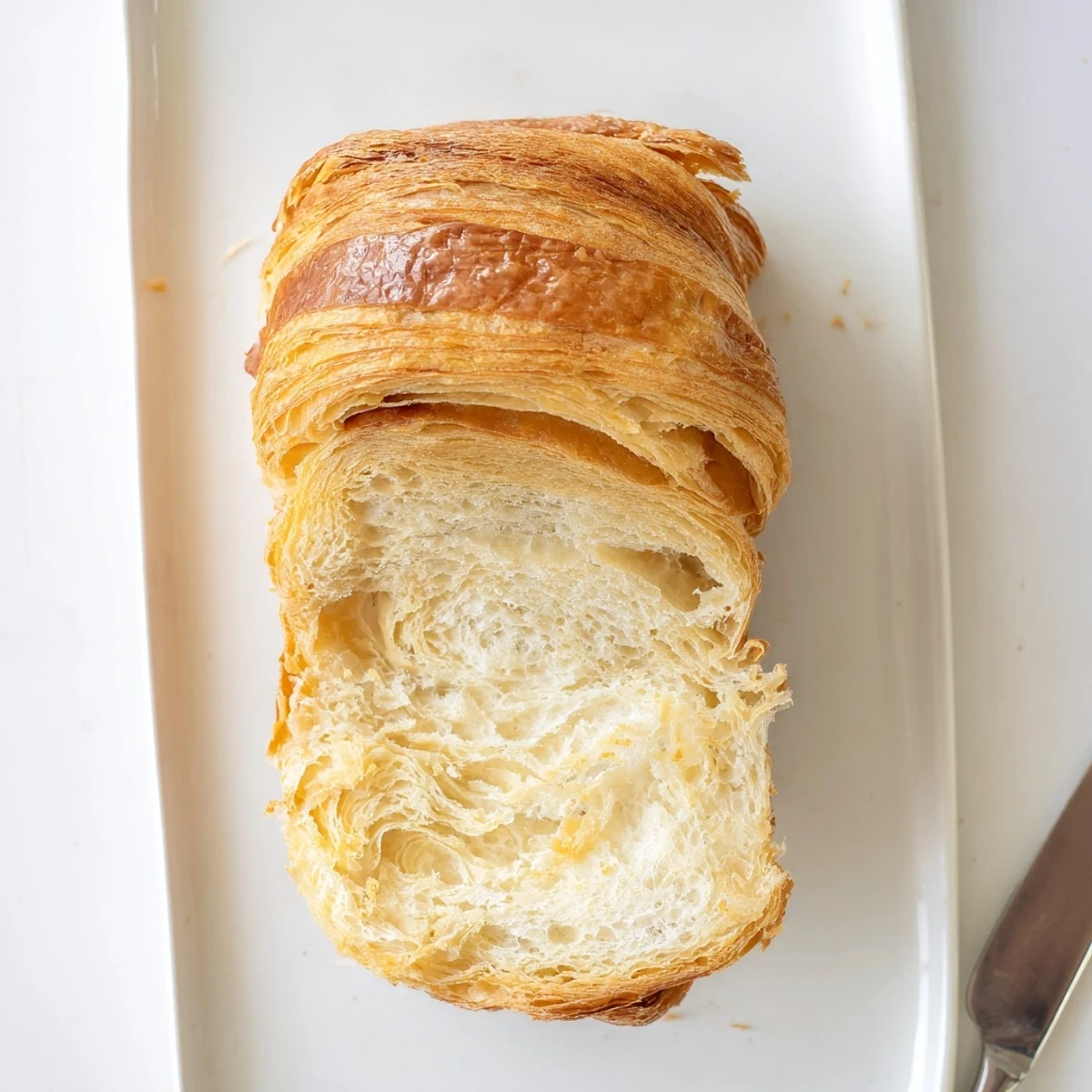
The process involves encasing cold butter within enriched dough, then folding and rolling three times to create hundreds of delicate layers. After baking, you'll be rewarded with a golden loaf that shatters beautifully when sliced, revealing a tender, honeycombed interior perfect for toasting and serving with honey or jam.
While the technique demands about four hours including resting time, the hands-on work is surprisingly manageable. The result rivals any bakery-quality pastry, offering that irresistible combination of crispy exterior and buttery, melt-in-your-mouth interior that makes this loaf special for weekend breakfasts or elegant brunch spreads.
My tiny apartment kitchen was never designed for laminated dough, but one rainy Saturday, I decided croissant bread was worth the battle. Flour dusted every surface, including my coffee mug, but the smell of butter baking into something magical made me forget the mess entirely. That first loaf emerged imperfect—my butter had leaked a bit—but slicing into those tender layers felt like winning the lottery. Sometimes the best kitchen adventures start with ambitious ideas and end with delicious mistakes.
I made this for a brunch gathering last spring, watching my friends eyes widen as they pulled apart the shaggy, golden layers. Someone actually asked which local bakery I had visited, and I remember laughing while explaining how my kitchen had looked like a flour bomb went off. Thats the thing about this bread—it looks impressive enough to serve guests but the process becomes a story worth sharing long after the last crumb disappears.
Ingredients
- All purpose flour: The structure builder—bread flour makes it too tough, cake flour wont support those glorious layers
- Instant yeast: Place it opposite the salt in your bowl so nothing inhibits its magic
- Whole milk: Lukewarm feels like bathwater temperature, activating yeast without killing it
- Unsalted butter (melted): Adds richness inside the dough while keeping control over salt levels
- Cold unsalted butter (for laminating): The star of the show—keep it icy cold and cut thin before layering
- Egg: Structure and tenderness in one package
Instructions
- Mix the base dough:
- Combine flour, sugar, salt, and yeast in a large bowl, keeping yeast and salt separated. Add the lukewarm milk, melted butter, and egg, then mix until you have a sticky, shaggy dough that holds together when pressed.
- Knead until elastic:
- Work the dough for 7 to 10 minutes until it feels smooth and bounces back when you poke it. Let it rise in a greased bowl, covered, for about an hour until its puffy and doubled.
- First chill:
- Punch down the risen dough, shape it into a rough rectangle, and refrigerate for 30 minutes. This firm rest prevents the butter from melting into disaster during rolling.
- First butter layer:
- Roll the chilled dough into a 12 by 16 inch rectangle on a floured surface. Arrange cold butter slices over two thirds of the dough, leaving a narrow border at edges.
- First fold:
- Fold the unbuttered third over the butter section, then fold the remaining third on top like a letter. Turn the dough 90 degrees so the open edges face you before the next roll.
- Second fold and chill:
- Roll into a 12 by 16 inch rectangle again, fold into thirds, wrap, and refrigerate 30 minutes. This rest is nonnegotiable—warm butter means lost layers.
- Complete the folds:
- Repeat rolling, folding, and chilling two more times for three turns total. Each turn creates those signature flaky strata that make this bread extraordinary.
- Shape the loaf:
- After the final chill, roll dough to 8 by 16 inches and roll tightly from the short edge. Place seam side down in a greased loaf pan and let rise until doubled, about an hour.
- Bake to golden:
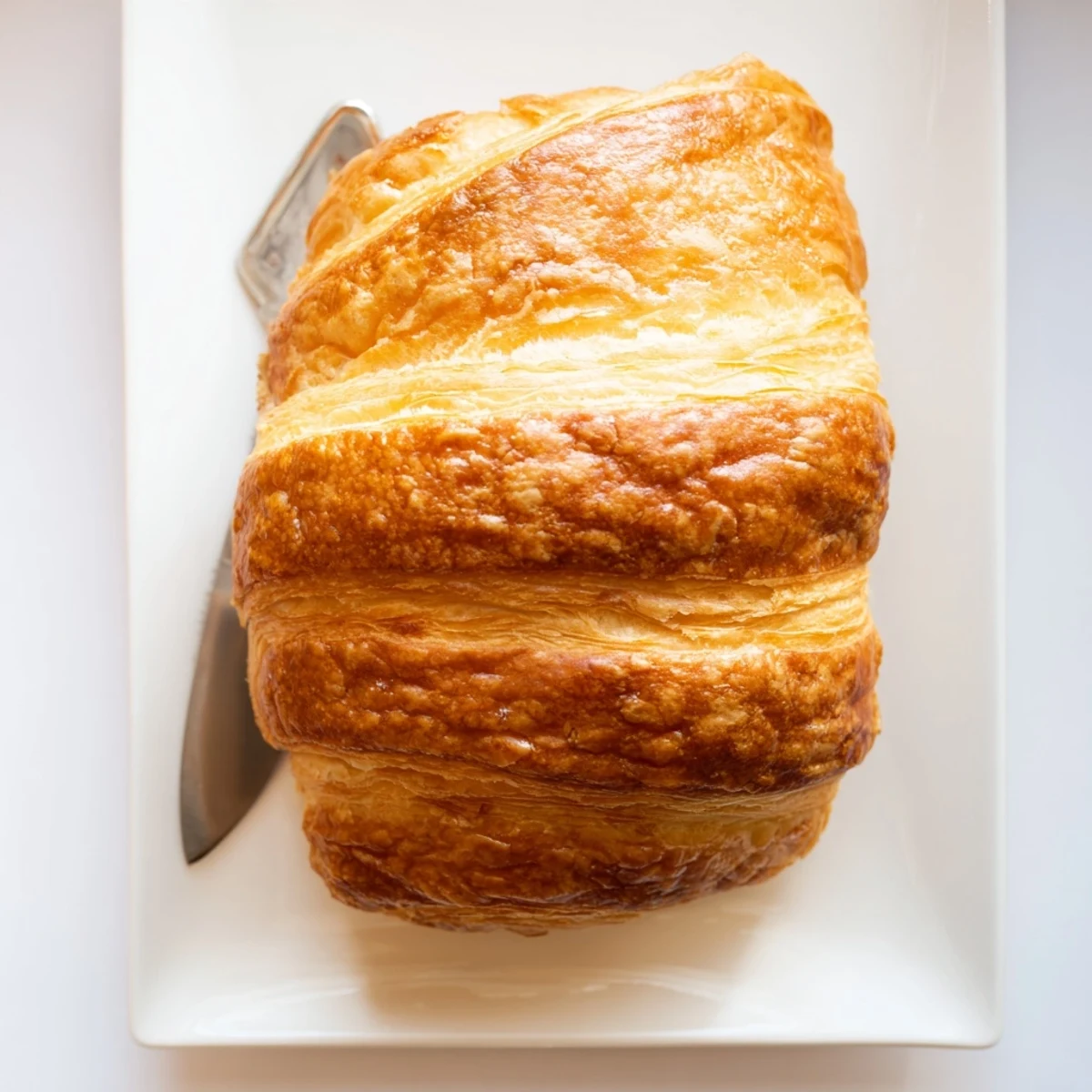
- Preheat oven to 375°F, brush the risen loaf with egg wash, and bake 35 to 40 minutes until deeply golden and hollow sounding when tapped. Tent foil if it browns too fast.
- Cool completely:
- Let the bread rest in the pan for 10 minutes, then move to a wire rack. Slice only after fully cooled or those buttery layers will squish together.
 Save
Save This bread has become my go to for housewarming gifts because handing someone a warm, flaky loaf feels like giving them something far more special than store bought anything. I love watching people pull apart the first slice, seeing that moment of recognition when they realize this is something extraordinary made by hand.
Working with Temperature
Butter temperature dictates your success here. Too cold, and it shatters. Too warm, and it melts into the dough, leaving you with rich but flat bread. Ive learned to trust my hands—if the dough feels greasy or the butter squishes out immediately, it needs more chill time.
Timing Your Day
This recipe demands about four hours from start to finish, but mostly hands off time. I like starting midmorning so the final rise happens during lunch, then bake in early afternoon. That timing means fresh bread for dinner without any last minute stress.
Customization Ideas
The plain version is stunning on its own, but a few tweaks create completely different experiences. Sprinkle cinnamon sugar over the buttered sections before folding for a sweet variation that French toastifies beautifully. For savory lovers, add chopped herbs and garlic powder to the dough during mixing.
- Try orange zest in the dough for a subtle citrus note
- Brush with simple syrup while warm for a glossy finish
- Freeze unbaked loaves wrapped tightly for up to three weeks
 Save
Save There is something deeply satisfying about turning flour, butter, and time into bread that makes people stop and savor. May your kitchen be flour dusted and your oven warm.
Recipe Q&A
- → What makes this bread different from regular loaf bread?
-
This uses laminated dough technique with cold butter folded into the layers, creating hundreds of flaky pastry layers similar to croissants. The result is a tender, buttery texture that shatters when sliced rather than the soft, uniform crumb of standard bread.
- → Can I reduce the preparation time?
-
The chilling periods are essential for keeping butter cold, which creates the flaky layers. Rushing this step causes butter to melt into the dough, resulting in a denser loaf. You can prepare the dough one day, chill overnight, and complete the laminating and baking the next day.
- → Why does my dough become difficult to roll?
-
If the butter softens too much, the dough becomes sticky and hard to work with. Return it to the refrigerator for 15-20 minutes until firm but pliable. Working in a cool kitchen and using a light dusting of flour helps prevent sticking.
- → How should I store this loaf?
-
Keep at room temperature wrapped in plastic or a bread bag for up to 2 days. For longer storage, freeze sliced portions in a freezer bag and toast directly from frozen. The texture is best enjoyed fresh within the first day.
- → Can I add sweet or savory variations?
-
Absolutely. Sprinkle cinnamon sugar inside before rolling for a sweet version, or add herbs and cheese for savory. The buttery base adapts beautifully to different flavor profiles while maintaining that signature flaky texture.