
 Save
Save This beloved Italian dessert combines a delicate, fluffy sponge cake with a velvety smooth lemon custard filling. The magic happens when bright citrus notes infuse every layer, creating a perfect balance of sweet and tangy flavors that Italian grandmothers have perfected for generations. The cake remains remarkably light thanks to whipped egg whites folded into the batter, while the custard delivers rich, creamy texture with just the right amount of lemon zest and fresh juice.
What makes this special is the contrast between the tender cake and silky custard, both intensified by fresh lemon. Perfect for celebrations or weekend gatherings, it captures the essence of Italian baking—simple ingredients transformed through careful technique into something extraordinary.
My grandmother never measured anything, but this cake was the one exception to her rule. She taught me to listen for the sound of custard thickening, that subtle moment when the whisk starts to drag against the bottom of the pan. Now whenever I zest lemons, that bright citrus scent takes me straight back to her tiny kitchen where sunlight always seemed to pour through the window.
I made this for my daughters birthday last spring, and watching her face light up when she took that first bite was everything. She asked how I got the custard so creamy, and I found myself passing down the same wisdom my grandmother shared with me about patience and gentle heat. That moment of connection over a simple cake felt like the best kind of inheritance.
Ingredients
- Granulated sugar: Cream this thoroughly with softened butter until the mixture looks pale and fluffy, those tiny air pockets are what make the cake tender
- Unsalted butter: Make sure its truly softened to room temperature, cold butter will leave you with a lumpy batter that never quite comes together
- Eggs: Room temperature eggs incorporate better and whip up more impressively than cold ones straight from the fridge
- Lemon zest: Zest carefully avoiding the bitter white pith, and use a microplane if you have one for the finest, most fragrant results
- Fresh lemon juice: Nothing bottled here, fresh squeezed gives you that bright, authentic Italian flavor that makes this cake sing
- Allpurpose flour: Spoon and level your flour rather than scooping directly, too much flour will make the cake tough instead of tender
- Baking powder: Check the expiration date, this is your leavening and old baking powder means flat, disappointing cake
- Whole milk: Full fat milk makes both the cake and custard richer, this is not the recipe to cut corners on dairy
- Cornstarch: This is what transforms the custard from a thin sauce into that silky, luxurious pudding texture that layers so beautifully
Instructions
- Getting your oven and pan ready:
- Preheat your oven to 350°F (175°C) and generously grease and flour a 9 inch round cake pan, taking extra care to get into all the corners so nothing sticks
- Making the cake batter:
- Cream the sugar and butter together until the mixture is pale and fluffy, then beat in the egg yolks one at a time, really letting each one fully incorporate before adding the next, then stir in the lemon zest and juice
- Combining wet and dry:
- Whisk together your flour, baking powder, and salt in a separate bowl, then add half to your butter mixture followed by half the milk, and repeat until everything is just combined
- Folding in the egg whites:
- Beat the egg whites until they form stiff peaks that dont move when you tilt the bowl, then gently fold them into your batter in three additions, treating each addition like youre handling something precious
- Baking the cake:
- Pour the batter into your prepared pan, smooth the top, and bake for 30 to 35 minutes until a toothpick comes out clean, then let it cool in the pan for 10 minutes before turning it out
- Starting the custard base:
- Warm your milk in a saucepan until its just barely simmering, meanwhile whisk together sugar, egg yolks, and cornstarch until completely smooth and no lumps remain
- Cooking the custard:
- Slowly pour the hot milk into your egg mixture while whisking constantly, return everything to the pan, and cook over medium low heat, stirring constantly until it thickens into something that coats the back of a spoon
- Finishing the custard:
- Remove from heat and stir in the butter, lemon zest, and lemon juice, then press plastic wrap directly onto the surface to prevent a skin from forming and cool completely
- Assembling the cake:
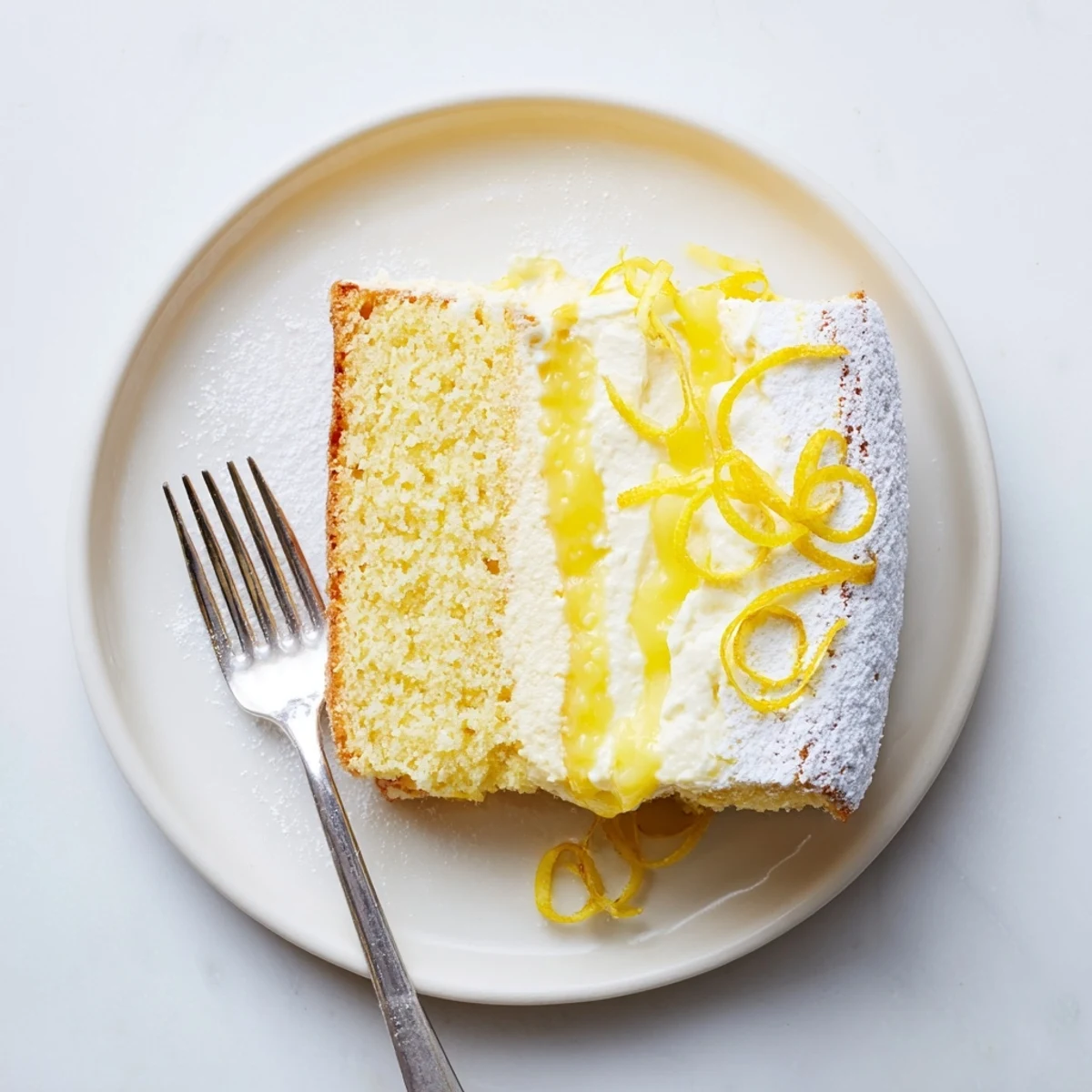
- Once both components are completely cool, slice your cake horizontally in half and spread that beautiful lemon custard evenly over the bottom layer, then top with the second cake layer
- The finishing touches:
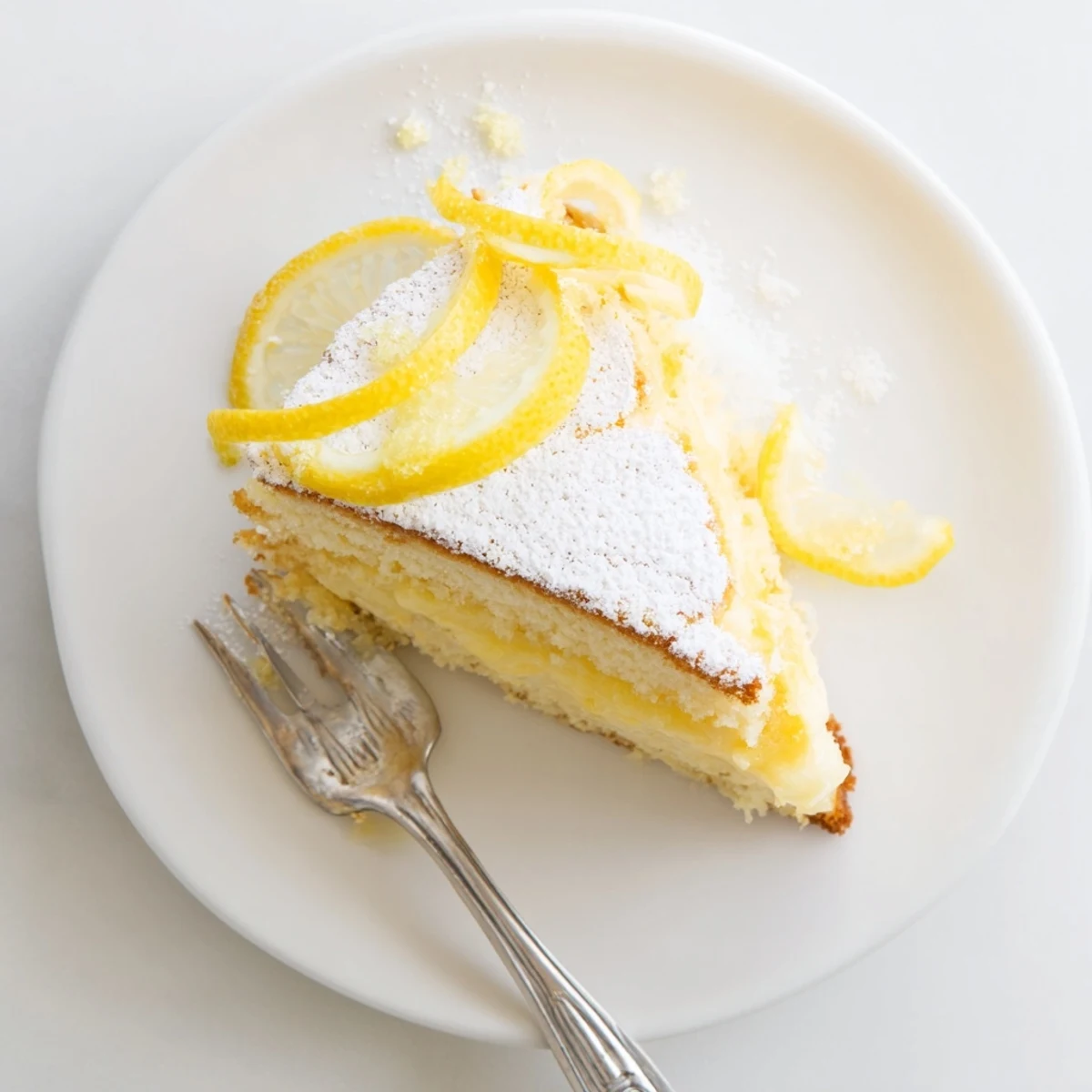
- Dust the top generously with powdered sugar and add some thin lemon slices or curls if youre feeling fancy, then chill for 30 minutes before serving to let everything set
 Save
Save There is something almost meditative about making this cake, the way it requires you to slow down and pay attention to each step. My grandmother used to say that custard taught patience, and I finally understand what she meant, that some of the best things in life cant be rushed.
The Art of Lemon Zesting
I used to just zest lemons randomly until I learned that most of the essential oils live in the outermost layer of the peel. Now I use a light hand and rotate the lemon frequently, catching those fragrant yellow bits while avoiding the bitter white pith underneath. The difference in flavor is remarkable, like comparing lemon candy to fresh lemon from the tree.
Perfecting Your Custard Technique
The secret to restaurant quality custard is constant attention, I learned this the hard way after walking away for literally thirty seconds and coming back to a pot of scrambled egg flavored milk. Now I treat custard making as a sacred exercise in staying present, stirring continuously and watching for that magical moment when it suddenly thickens and becomes glossy.
Serving and Storage Secrets
This cake actually tastes better on the second day after the flavors have had time to mingle and the custard has softened the crumb slightly. I always try to make it the night before serving, tucking it into the fridge and then bringing it to room temperature for about 20 minutes before slicing.
- Use a serrated knife and gentle sawing motions when slicing the cake horizontally to avoid crushing the delicate crumb
- If the powdered sugar disappears into the cakes surface, dust it right before serving for that picture perfect finish
- Leftovers keep beautifully in the refrigerator for up to three days, though in my house they rarely last that long
 Save
Save This cake has become my go to for bringing people together, something about that bright lemon flavor just makes conversations flow easier. I hope it finds its way into your family traditions the way it has into mine.
Recipe Q&A
- → Can I make this cake ahead of time?
-
Yes, you can prepare both the cake layers and custard a day in advance. Store them separately in the refrigerator, then assemble and garnish shortly before serving. This actually allows the flavors to develop beautifully.
- → Why do I need to separate the eggs?
-
Egg whites are whipped to stiff peaks and folded into the batter, creating the cake's signature light and fluffy texture. The yolks contribute richness and help bind the ingredients together.
- → How do I know when the custard is thick enough?
-
The custard is ready when it coats the back of a spoon and leaves a clear trail when you run your finger through it. This typically takes 5-7 minutes of constant stirring over medium-low heat.
- → Can I use bottled lemon juice?
-
Fresh lemon juice is highly recommended for the brightest, most authentic flavor. Bottled juice can sometimes taste artificial or overly acidic. The same goes for lemon zest—fresh zest contains essential oils that bottled versions lack.
- → What's the best way to slice the cake horizontally?
-
Use a long serrated knife and mark the halfway point around the circumference with toothpicks as a guide. Rotate the cake while cutting slowly and steadily, keeping the knife level for even layers.
- → Why does my custard sometimes curdle?
-
Curdling occurs when the eggs cook too quickly. Always temper your egg mixture by gradually adding hot milk while whisking constantly. Keep the heat medium-low and stir continuously during cooking.