
 Save
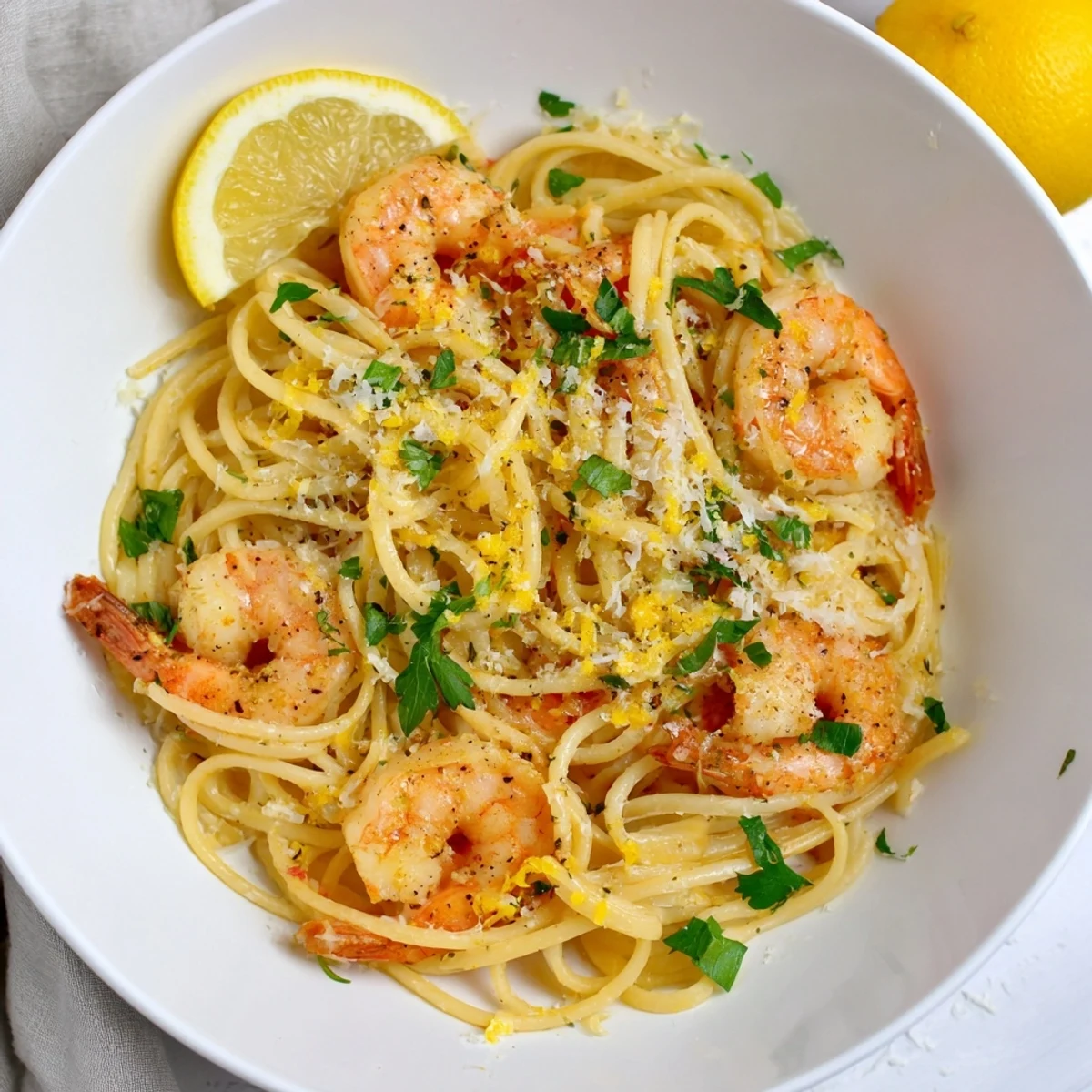
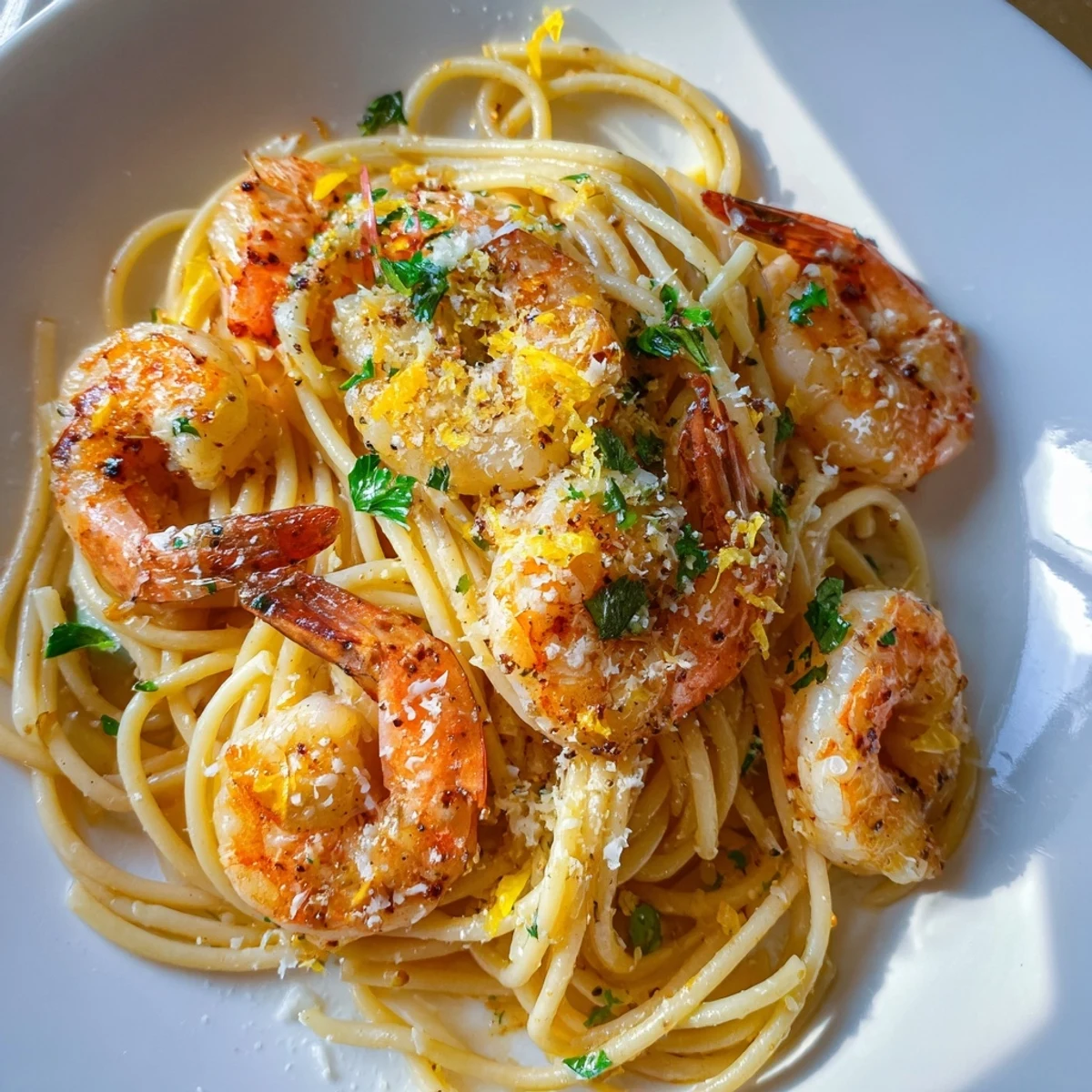
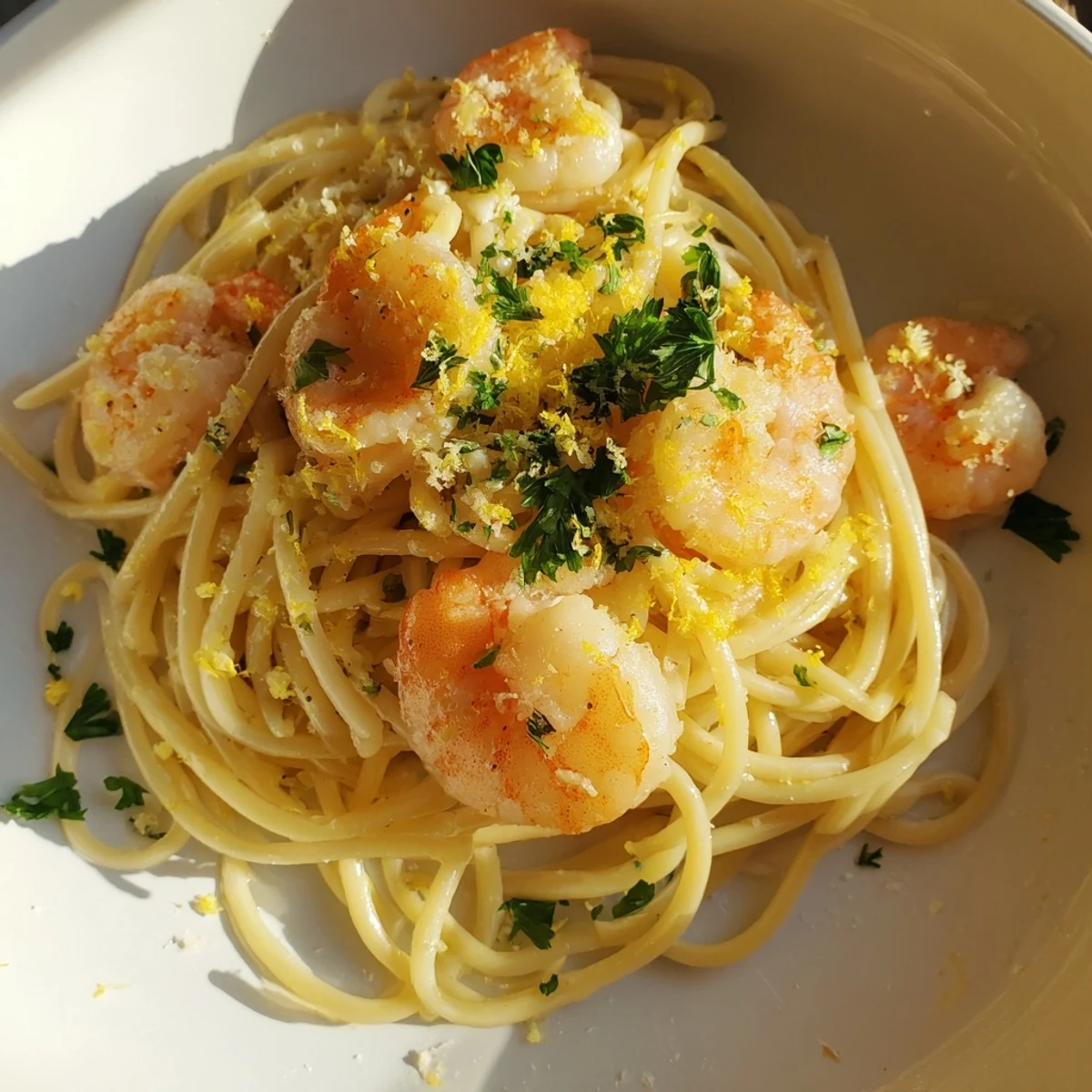
Save This dish combines succulent shrimp sautéed in fragrant garlic and fresh lemon zest with perfectly cooked spaghetti. The sauce, enriched with butter and a splash of white wine or broth, blends bright citrus notes and mild heat from red pepper flakes. Tossed together and finished with freshly grated Parmesan and parsley, it creates a light yet satisfying meal that highlights fresh, vibrant flavors ideal for an easy Italian-American main.
The kitchen smelled like garlic and sunshine the first time I made this for my sister on a random Tuesday. She was going through a breakup and I showed up with shrimp and wine, figuring carbs and shellfish solve most problems. We ate standing up at the counter, twirling pasta and laughing so hard we almost knocked over the Parmesan. Now it's her requested meal for every celebration and bad day alike.
Last summer I made this for a dinner party and accidentally doubled the red pepper flakes, but everyone kept asking for the recipe with these delighted tears in their eyes. Sometimes the kitchen gods smile on your mistakes and create something better than you planned. I still make it with that extra kick now.
Ingredients
- Large shrimp: I've learned the hard way that buying frozen works perfectly, just thaw them overnight and pat them completely dry before cooking or they'll steam instead of sear
- Kosher salt and black pepper: Season the shrimp generously because pasta absorbs salt like nobody's business, and under-seasoned seafood is a tragedy
- Spaghetti or linguine: The long strands catch every drop of that garlic butter sauce, though I've used fettuccine in a pinch and nobody complained
- Olive oil: Use regular olive oil for cooking, not your fancy finishing oil, since you're heating it to medium-high
- Garlic cloves: Fresh minced garlic is non-negotiable here, the jarred stuff has a weird aftertaste that ruins the delicate balance
- Lemon zest: This is where the real lemon flavor lives, so use a microplane and zest carefully, avoiding the bitter white pith underneath
- White wine or broth: Pinot Grigio is my go-to, but a good quality chicken broth works beautifully if you're avoiding alcohol
- Unsalted butter: Keep this cold until the very end, adding it off the heat creates that glossy restaurant-style sauce coating
- Fresh parsley: Flat-leaf parsley has better flavor than curly, and don't skip it, it cuts through all that richness
- Parmesan cheese: Buy a wedge and grate it yourself, the pre-grated stuff has anti-caking agents that make the sauce grainy
Instructions
- Get your pasta water going first:
- Use a big pot with plenty of water and salt it like the ocean, this is your only chance to season the pasta from the inside out
- Prep those shrimp while you wait:
- Pat them completely dry with paper towels and season with salt and pepper, removing excess moisture is the secret to getting a nice sear instead of rubbery boiled shrimp
- Cook the pasta until it just barely fights back:
- You want it al dente because it will finish cooking in the sauce later, and remember to reserve that pasta water before draining
- Sear the shrimp in batches if needed:
- Give them space in the pan so they develop a golden crust, about 1 to 2 minutes per side until pink and opaque, then remove them immediately so they don't overcook
- Build your sauce base:
- Sauté the garlic, lemon zest, and red pepper flakes in the remaining olive oil for just a minute, watching closely like a hawk because garlic turns bitter faster than you think
- Deglaze the pan:
- Pour in your wine or broth and let it bubble for 2 to 3 minutes, scraping up all those caramelized bits from the bottom with a wooden spoon
- Finish the sauce off the heat:
- Add the lemon juice and swirl in the butter until it melts into a glossy emulsion, then return the shrimp and add the pasta with splashes of pasta water until everything looks silky
- Bring it all together:
- Toss everything with tongs until the sauce clings to each strand, then fold in the parsley and sprinkle with Parmesan right before serving
 Save
Save My friend Sarah requests this every time she comes over, and she's started timing her visits to when I can get to the good seafood market. We've developed this ritual where she brings the wine and I handle the rest, and somehow the food always tastes better when someone else is pouring.
Make It Your Own
I've added cherry tomatoes that burst in the hot sauce, and baby spinach that wilts beautifully right at the end. Once I threw in some roasted asparagus pieces because that's what was in the fridge, and honestly, the contrast between the bright green vegetables and the golden sauce was gorgeous.
Wine Pairing Magic
The same crisp white wine you cook with works beautifully in the glass, just don't use anything you wouldn't drink straight from the bottle. I've learned the hard way that cooking wine from the grocery store tastes like sadness and salt.
Leftover Secrets
This reheats surprisingly well, though I've found it needs a splash of water and a quick toss in a warm pan rather than the microwave. The shrimp can get rubbery if you overheat them, so just warm everything through gently and add a squeeze of fresh lemon to wake it back up.
- The pasta will absorb the sauce overnight, so leftovers are actually more flavorful the next day
- If you're meal prepping, keep the Parmesan separate and add it fresh when you reheat
- A tiny drizzle of good olive oil right before serving makes everything shine again
 Save
Save There's something so satisfying about a dish that comes together in 30 minutes but tastes like you fussed all evening. I hope this becomes one of those recipes you can make without thinking, the one you turn to when life gets busy and dinner still needs to feel special.
Recipe Q&A
- → What type of pasta works best for this dish?
-
Spaghetti or linguine are ideal choices, providing a perfect balance to the light sauce and tender shrimp.
- → Can I substitute the white wine in the sauce?
-
Yes, dry white wine can be replaced with chicken broth or vegetable broth to maintain moisture and depth of flavor.
- → How do I avoid overcooking the shrimp?
-
Cook shrimp in a hot skillet for 1–2 minutes per side until they turn pink and opaque; avoid extended cooking to keep them tender.
- → What is the purpose of reserving pasta water?
-
Reserved pasta water helps loosen the sauce and allows it to cling better to the pasta for enhanced texture and flavor.
- → Can I make this dish gluten-free?
-
Yes, substituting regular pasta with certified gluten-free pasta works well without compromising taste or texture.