 Save
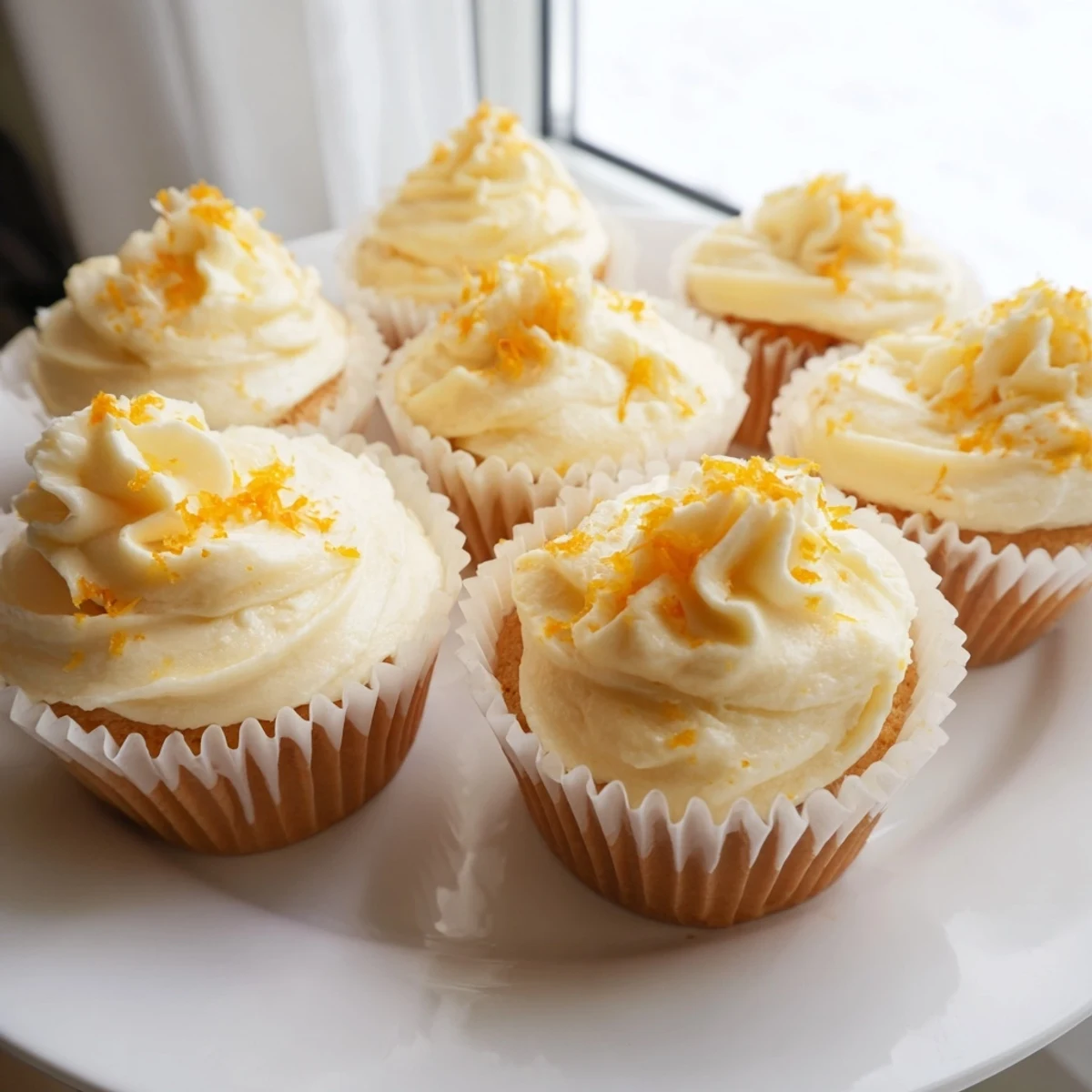
Save These delicate cupcakes capture the essence of spring with fragrant orange blossom water woven through a tender vanilla crumb. The light citrus frosting balances the floral notes perfectly, creating an elegant treat for afternoon tea or special occasions.
The batter comes together quickly with pantry staples, while the aromatic orange blossom water transforms ordinary cupcakes into something extraordinary. A touch of fresh orange zest brightens both the cake and frosting, adding natural citrus complexity.
Ready in under 40 minutes from start to finish, these cupcakes yield 12 elegant portions. The frosting pipes beautifully for decorating, or simply spread it on for a rustic finish. Garnish with additional orange zest or delicate edible flowers for a stunning presentation.
The smell of orange blossoms always takes me back to wandering through my grandmother's garden in early spring, when those delicate white flowers would bloom overnight and fill the entire yard with perfume. I'd help her gather fallen petals to steep in sugar water for pastries, not understanding then how something so fragrant could also be so fleeting. These cupcakes capture that same ethereal quality—light, floral, and gone too soon. The first time I made them for a friend's bridal shower, she actually teared up at the first bite.
Last spring, I baked three dozen of these for my daughter's kindergarten teacher appreciation luncheon. Another mom asked for the recipe, and when I mentioned orange blossom water, her face lit up—she'd been searching everywhere for it after a trip to Morocco. We spent the whole lunch talking about travel and the way food connects us to places we've been. Sometimes cupcakes are just cupcakes, but sometimes they're conversation starters.
Ingredients
- All-purpose flour: Provides the structure—sift it first to avoid any lumps in your tender crumb
- Baking powder and baking soda: This duo gives you that beautiful domed rise without making the cupcakes taste metallic
- Unsalted butter: Use it slightly softened but still cool to the touch for the best aeration
- Granulated sugar: Cream this thoroughly with the butter—it creates the air pockets that make these so light
- Large eggs: Room temperature eggs incorporate better and prevent the batter from curdling
- Orange blossom water: Start with the recommended amount and add drop by drop—it's potent and personal preference varies wildly
- Orange zest: Use a microplane to get just the fragrant outer layer, avoiding the bitter white pith beneath
- Whole milk: The fat content matters here for moisture and richness
- Powdered sugar: Sifting this prevents those tiny lumps that can ruin silky frosting
- Orange juice: Freshly squeezed brightens the frosting and cuts through the butter's richness
Instructions
- Preheat and prep your workspace:
- Heat your oven to 350°F and line your muffin tin with paper liners—this small step saves so much cleanup later and helps the cupcakes bake evenly
- Whisk together your dry ingredients:
- Combine the flour, baking powder, baking soda, and salt in a medium bowl—doing this now ensures even distribution without overmixing later
- Cream the butter and sugar:
- Beat the butter and sugar for a full 2 to 3 minutes until it's pale and fluffy—this creates the air pockets that make these cupcakes so incredibly light
- Add the eggs and flavorings:
- Beat in the eggs one at a time, then mix in the vanilla, orange blossom water, and zest until everything is fragrant and combined
- Combine wet and dry ingredients:
- Add half the flour mixture, then all the milk, then the remaining flour, mixing gently after each addition until just combined—overmixing makes tough cupcakes
- Fill and bake:
- Divide the batter evenly among the liners, filling each about two-thirds full, and bake for 16 to 18 minutes until a toothpick comes out clean
- Cool completely:
- Let the cupcakes rest in the tin for 5 minutes before moving them to a rack to cool completely—warm cupcakes will melt your frosting right off
- Make the frosting:
- Beat the butter until smooth, then gradually incorporate the powdered sugar, orange blossom water, orange juice, and salt until fluffy and spreadable
- Frost and garnish:
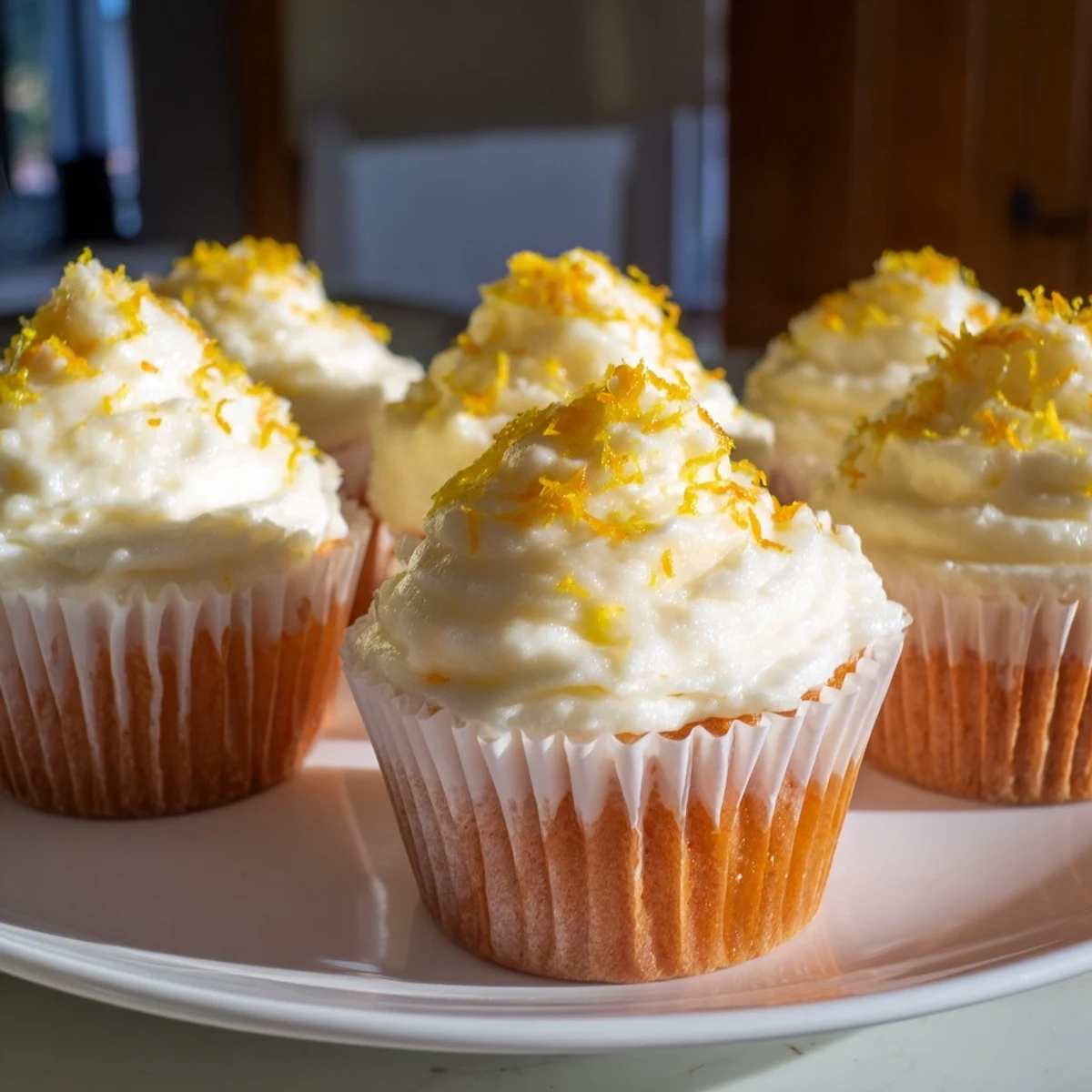
- Spread or pipe the frosting onto the cooled cupcakes and finish with a sprinkle of orange zest or delicate edible flowers for that springtime feel
 Save
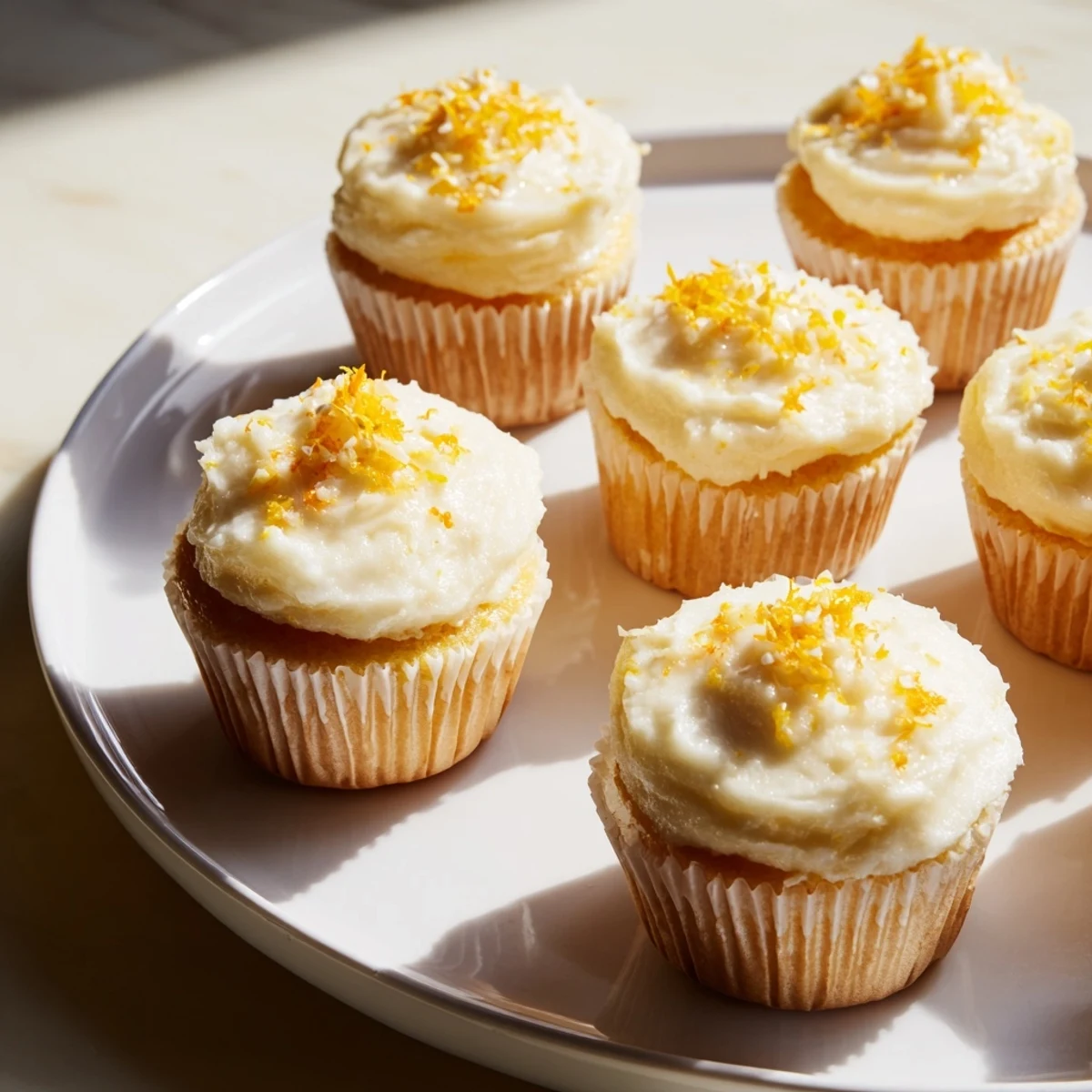
Save My sister served these at her garden party last May, arranged on three-tiered stands surrounded by actual orange blossoms clipped from her tree. Guests kept circling back to the dessert table, not just for seconds but to stand near the plates and inhale. There's something magical about food that engages every sense.
Getting the Consistency Right
The cupcake batter should be thick enough to hold its shape when dropped from a spoon but thin enough to settle back into itself slowly. If it's too stiff, your cupcakes will dome dramatically; too thin and they'll spread sideways instead of upward. I've learned that room temperature ingredients are non-negotiable here—cold butter creates lumpy batter, and cold eggs can make the mixture seize up slightly.
Working With Floral Flavors
Floral waters can be intimidating because they're so potent, but orange blossom water is actually quite forgiving compared to rose water. The key is balance—it should enhance, not overwhelm. Think of it as a background note that makes people say 'What is that?' rather than a punch in the face. If you're nervous about it, start with half the amount and add more drop by drop until it sings to you.
Frosting Like a Pro
For bakery-style swirls, use a large star tip and hold the bag at a 90-degree angle, starting from the outside and working inward with gentle pressure. The frosting needs to be the right consistency—not too stiff to pipe, not too soft to hold its shape. If it's too thick, add a teaspoon of orange juice; too thin, refrigerate for 15 minutes. And here's my personal workflow for consistent results every time.
- Let the butter soften on the counter for exactly one hour—microwaving changes the structure
- Sift your powdered sugar over a piece of parchment paper for easy cleanup
- Beat the frosting for at least 2 minutes longer than you think necessary—this is what makes it silky
 Save
Save These little cakes have become my go-to for spring birthdays, baby showers, and those ordinary Tuesdays when something sweet and fragrant feels like exactly what the day needs. I hope they find their way into your kitchen and become part of your own story.
Recipe Q&A
- → What does orange blossom water taste like?
-
Orange blossom water has a delicate, floral flavor reminiscent of orange blossoms with subtle sweet citrus notes. The aroma is more pronounced than the taste, adding a fragrant quality to baked goods without being overpowering.
- → Can I substitute orange blossom water?
-
You can replace orange blossom water with rose water for a different floral profile, or increase the orange extract and zest for a purely citrus flavor. Orange juice concentrate works too, though you'll miss the aromatic floral notes that make these special.
- → How should I store these cupcakes?
-
Keep frosted cupcakes in an airtight container at room temperature for up to 2 days. For longer storage, refrigerate unfrosted cupcakes for up to 5 days and frost before serving. Bring to room temperature for best texture and flavor.
- → Why is my frosting too thick or thin?
-
If frosting is too thick, add additional orange juice one teaspoon at a time until reaching desired consistency. If too thin, gradually add more sifted powdered sugar. The humidity and butter temperature can affect texture, so adjust accordingly.
- → Can I make these into a layer cake?
-
Yes, this batter makes two 8-inch round cakes. Bake for 25-30 minutes at 350°F. Double the frosting amount to fill and frost the layers. Orange blossom water pairs beautifully with the larger surface area of a traditional cake.
- → What's the best way to measure flour?
-
For consistent results, spoon flour into your measuring cup and level off with a knife rather than scooping directly. This prevents packing and ensures you don't add too much flour, which would make the cupcakes dense.