
 Save
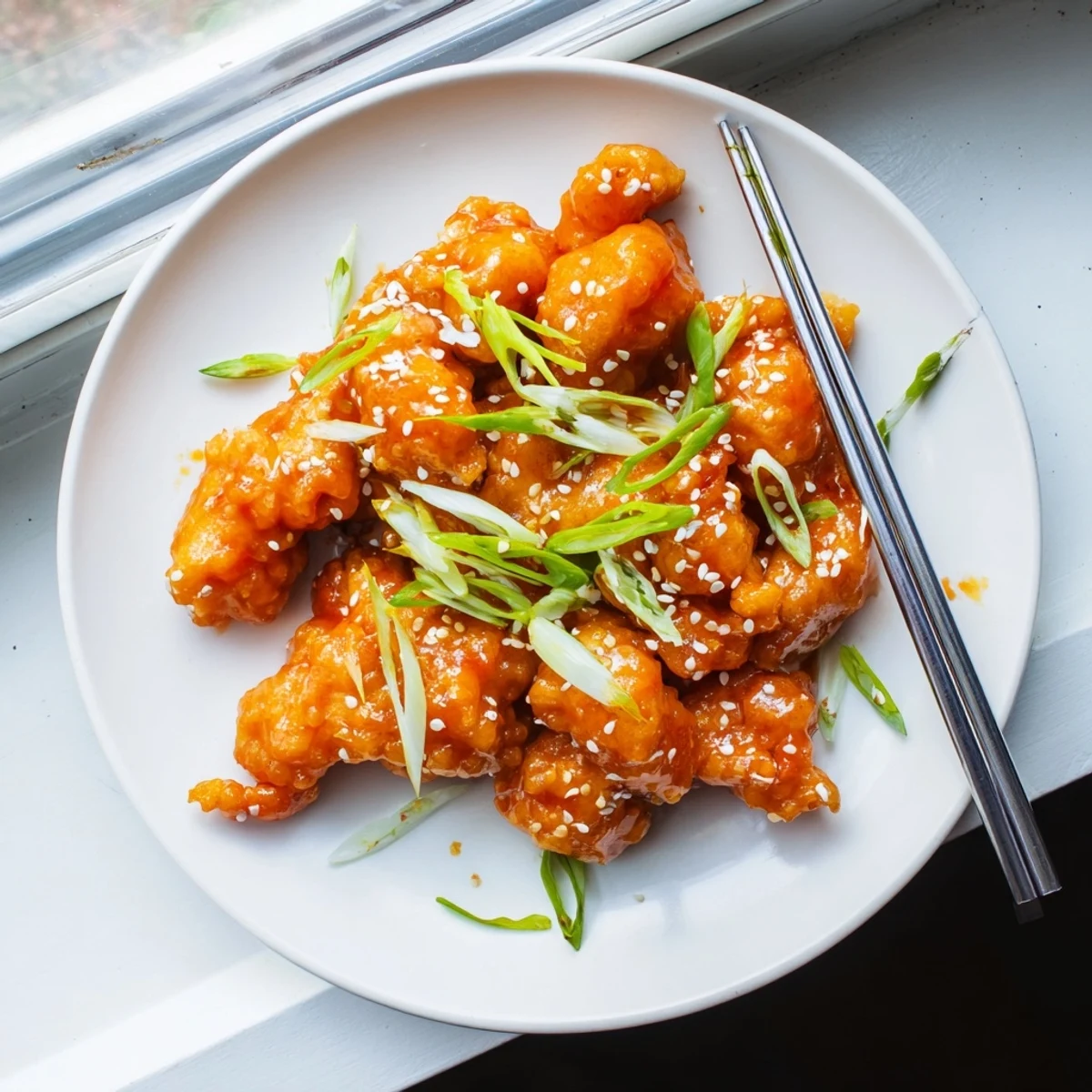
Save Create this beloved Chinese-American classic at home with tender chicken thighs that get double-coated for maximum crunch. The signature orange sauce brings together fresh citrus juice, soy sauce, rice vinegar, and hoisin for that perfect sweet-tangy balance you crave from takeout.
Ready in just 45 minutes, this dish yields four satisfying portions and pairs beautifully with steamed jasmine rice. The technique involves marinating the chicken for moisture, deep-frying until golden, then coating everything in a quick-thickened glaze infused with aromatic garlic and ginger.
The scent of orange zest hitting hot oil still takes me back to my tiny apartment kitchen, where I spent countless Friday nights trying to recreate that sticky-sweet sauce from my favorite takeout spot. After dozens of attempts ranging from soup-thin to candy-coated disasters, I finally nailed the balance between tangy and sweet. Now it is the one dish my friends actually request when they come over, and the way the kitchen smells during the last minute of cooking is absolute magic.
Last winter my sister dropped by unexpectedly while I was midway through sauce prep, and she stood watching me whisk the cornstarch slurry like it was some kind of kitchen wizardry. We ended up eating straight from the wok while standing at the counter, burning our tongues slightly but not caring one bit because the chicken was still impossibly crispy and the sauce was hitting that perfect sweet spot. Sometimes the best meals happen when you abandon all pretense of proper plating.
Ingredients
- 600 g boneless skinless chicken thighs: Thighs stay juicier than breast through the double cooking process, and cutting them into uniform bite-sized pieces helps everything cook evenly
- 2 tbsp soy sauce: This builds the first layer of savory depth in the marinade, so do not skip it even if you are worried about saltiness
- 1 tbsp rice wine: Dry sherry works perfectly fine if you cannot find rice wine, and it tenderizes the meat while adding subtle complexity
- 1 egg white: The secret weapon for creating that velvety texture Chinese restaurants achieve, and it helps the coating stick better
- 3 tbsp cornstarch for marinade: This initial coating is what makes the final fried chicken extra crispy and helps the sauce cling
- 120 ml fresh orange juice: Bottled juice works in a pinch, but fresh squeezed makes a noticeable difference in brightness and depth
- 2 tbsp soy sauce for sauce: Balances all that sugar with the necessary savory backbone
- 3 tbsp sugar: White sugar creates that glossy shine, but you can use half brown if you prefer a deeper caramel note
- 2 tbsp rice vinegar: Essential cutting through all the sweetness with just the right amount of tang
- 1 tbsp hoisin sauce: Adds complexity and that slight fermented depth that makes the sauce taste restaurant-quality
- 1 tbsp cornstarch dissolved in 2 tbsp water: Make this slurry right before you need it, as cornstarch tends to settle and separate if it sits too long
- Zest of 1 orange: Use a microplane if you have one, and avoid the bitter white pith completely
- 1 tsp sesame oil: A little goes a long way, and it adds that final aromatic finish that makes the sauce smell incredible
- 120 g cornstarch for dredging: Keep this separate from the marinade cornstarch, and do not be afraid to really coat the pieces thoroughly
- 600 ml vegetable oil: Canola or peanut oil works beautifully too, and you need enough depth so the chicken floats freely
- 2 garlic cloves minced: Fresh garlic is non-negotiable here, and mince it finely so it does not burn in the hot oil
- 1 tbsp fresh ginger minced: Peel it with a spoon to avoid wasting any of the aromatic flesh, and grate it if you want it to disappear into the sauce
- 1 red chili sliced: Optional but recommended if you want that gentle heat that balances the sweet sauce
- Sliced green onions: Save some for serving and toss some into the final toss for fresh contrast
- Toasted sesame seeds: Toast them in a dry pan for just a minute until fragrant, and watch closely because they burn fast
Instructions
- Marinate the chicken:
- Combine chicken pieces with soy sauce, rice wine, egg white, and cornstarch in a bowl, mixing until each piece is evenly coated. Let it sit for 15 minutes while you prep everything else, which gives the cornstarch time to start working its tenderizing magic.
- Heat your oil:
- Pour vegetable oil into your wok or deep pan and bring it to 180°C, which you can test by flicking a drop of water into the oil and listening for that immediate sizzle. Hot oil is crucial for crispy results, so do not rush this step.
- Dredge the chicken:
- Toss each marinated piece in the fresh cornstarch until completely covered, shaking off excess but not being too thorough about it. You want a solid coating, and those slightly clumpy bits create the best crispy texture.
- Fry in batches:
- Carefully lower chicken into the hot oil, cooking only 6-8 pieces at a time so the temperature does not drop too much. Let them fry for 4-5 minutes until golden brown and floating, then transfer to a paper towel-lined plate.
- Sauté aromatics:
- Pour off all but 1 tablespoon of oil, then add garlic, ginger, and sliced chili to the hot pan. Stir constantly for about 30 seconds until fragrant, watching closely because garlic goes from raw to burned very quickly.
- Build the sauce:
- Whisk together orange juice, soy sauce, sugar, rice vinegar, hoisin sauce, and orange zest in a bowl, then pour this mixture into the pan with your aromatics. Let it come to a gentle simmer, stirring occasionally to dissolve the sugar completely.
- Thicken it up:
- Stir in your cornstarch slurry and watch the sauce transform from thin to glossy and thickened within 1-2 minutes of bubbling. The consistency should coat the back of a spoon but still pour easily.
- Toss and serve:
- Add all your crispy chicken pieces into the sauce, tossing gently until every piece is evenly coated and glossy. Serve immediately over steamed rice, scattered with green onions and those toasted sesame seeds while the chicken is still audibly crispy.
 Save
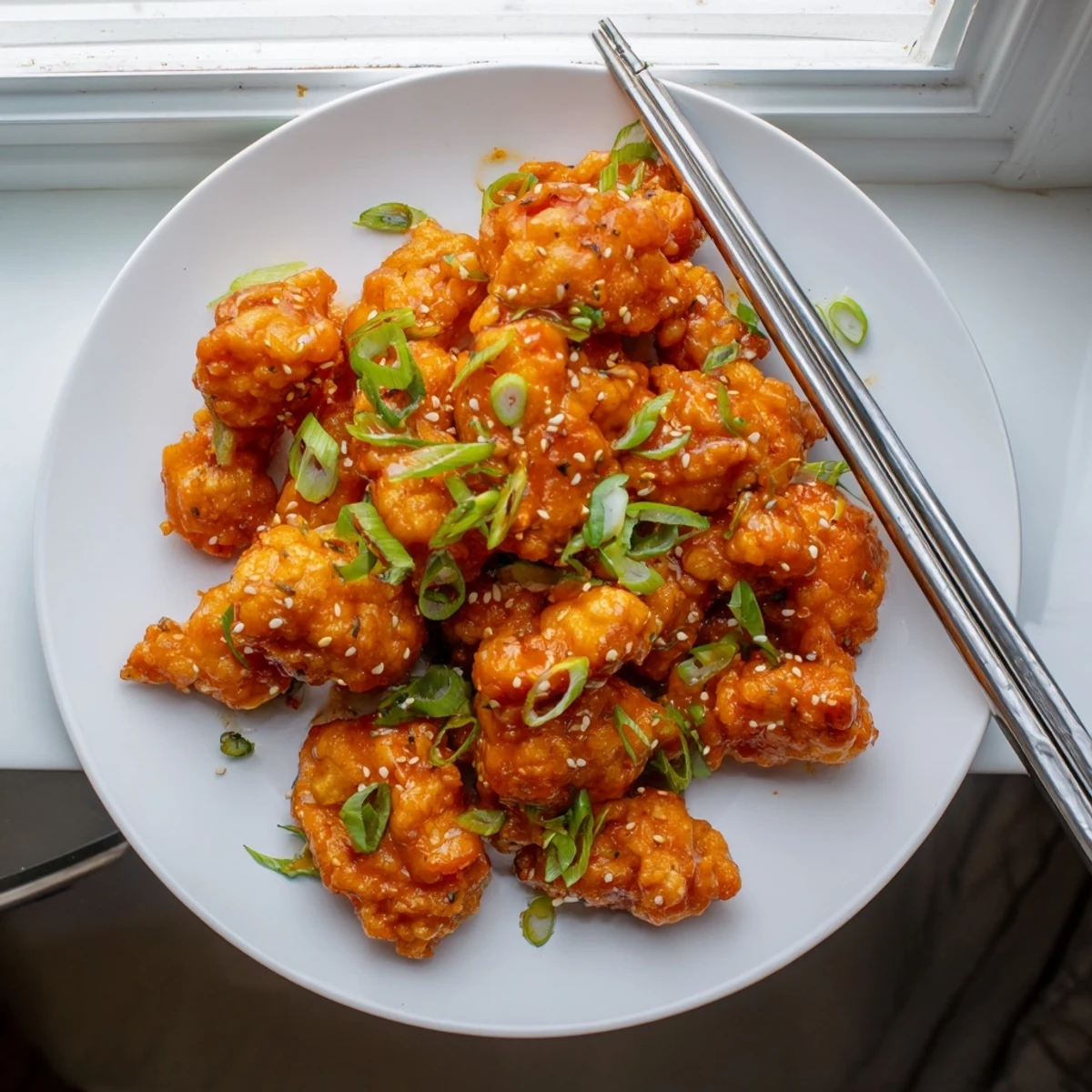
Save This recipe became my go-to for celebrating small wins, like finishing a tough project at work or just surviving a particularly long week. There is something deeply satisfying about standing at the stove, listening to the oil hiss and breathe, knowing you are about to create something that makes people genuinely happy. The best part is always that first bite, when the crunch gives way to the sauce and the whole room goes quiet for a second.
Making It Your Own
Once you have made this a few times, start playing with the flavor balance to suit your taste. Some nights I amp up the ginger when I am craving something more invigorating, while other times I dial back the sugar and let the orange really sing through. The recipe is forgiving, and half the fun is discovering your personal perfect version after the third or fourth attempt.
Sauce Consistency Secrets
I learned the hard way that adding cornstarch directly to hot sauce creates stubborn lumps that never quite dissolve. Always whisk your cornstarch with cold water first, making sure there are no dry pockets before pouring it in. If your sauce ever ends up too thick, a splash of orange juice or water brings it back to that gorgeous pourable consistency.
Perfect Pairings
Steamed jasmine rice is the classic choice for good reason, soaking up every drop of that incredible sauce. I also love serving this alongside simply stir-fried bok choy or broccoli to cut through the richness with something fresh and green.
- Make extra sauce if you are serving more than four people, because everyone will want to drown their rice
- Leftovers reheat surprisingly well in a hot skillet, though you lose some of that initial crunch
- The sauce works beautifully on stir-fried vegetables or even salmon if you want to change up the protein
 Save
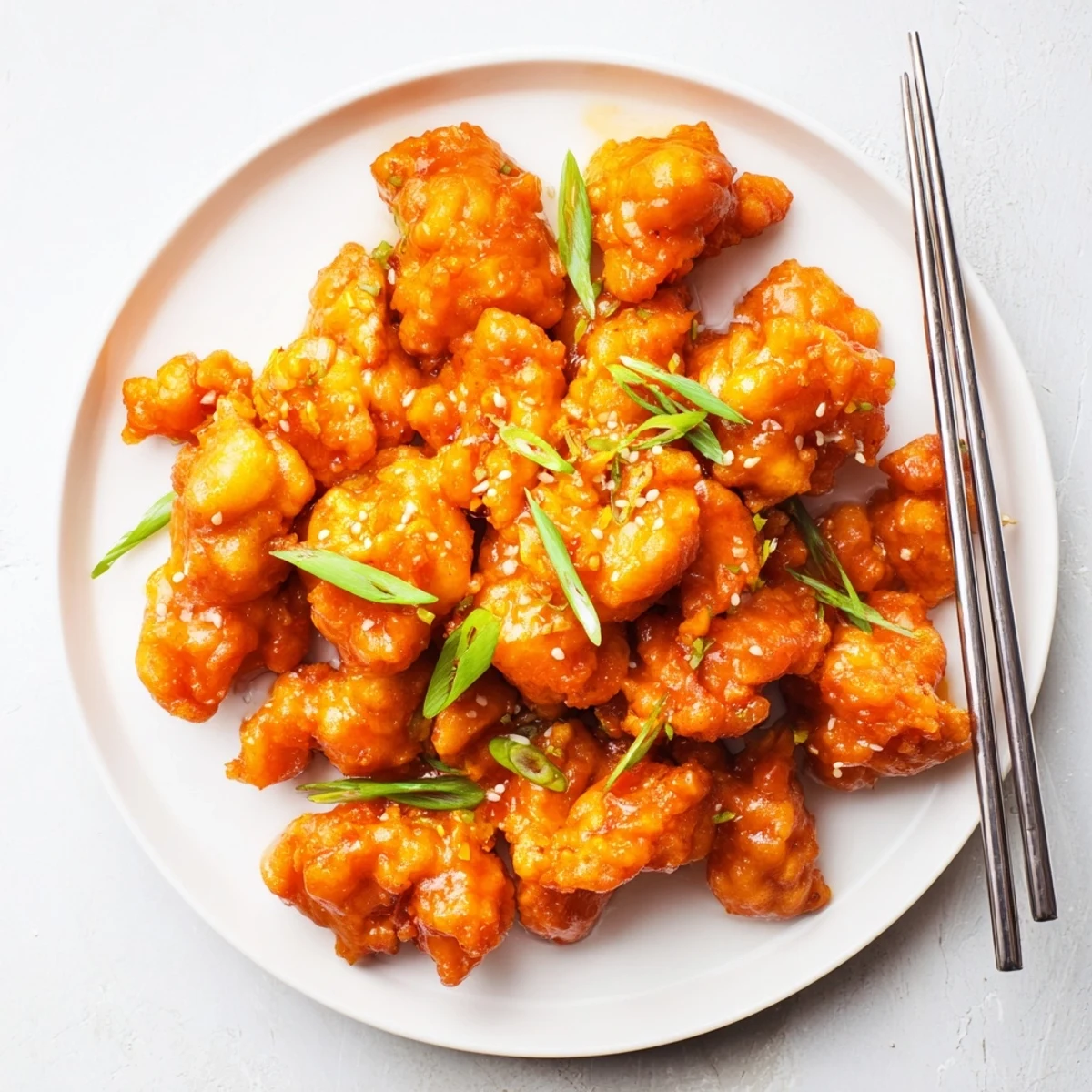
Save This is one of those recipes that teaches you something new every time you make it, and that is probably why I never get tired of cooking it. Hope it brings as many good moments to your table as it has to mine.
Recipe Q&A
- → What makes orange sauce authentic?
-
Traditional orange sauce combines fresh orange juice and zest with soy sauce, rice vinegar, sugar, and hoisin. The key is balancing sweet citrus with savory elements and thickening it perfectly to coat each crispy piece.
- → Can I use chicken breast instead?
-
Yes, chicken breast works well though thighs remain more tender and juicy. If using breast, avoid overcoating and reduce frying time slightly to prevent drying out the meat.
- → How do I get the crispiest coating?
-
The secret is a two-step coating process: first marinate in cornstarch-egg mixture, then dredge in fresh cornstarch before frying. Maintain oil at 180°C (350°F) and don't overcrowd the pan.
- → Can I bake instead of deep-fry?
-
While possible, baking won't achieve the same crunch. For a lighter version, try air-frying at 200°C for 12-15 minutes, shaking halfway through. The texture will be different but still enjoyable.
- → How long does this keep?
-
Store in an airtight container for up to 3 days. Reheat in a 180°C oven for 10 minutes to restore crispiness. The sauce may need thinning with water when reheating.
- → What wine pairs well?
-
A crisp Sauvignon Blanc cuts through the rich sauce beautifully. For non-alcoholic options, jasmine tea complements the citrus notes while balancing the savory elements.