
 Save
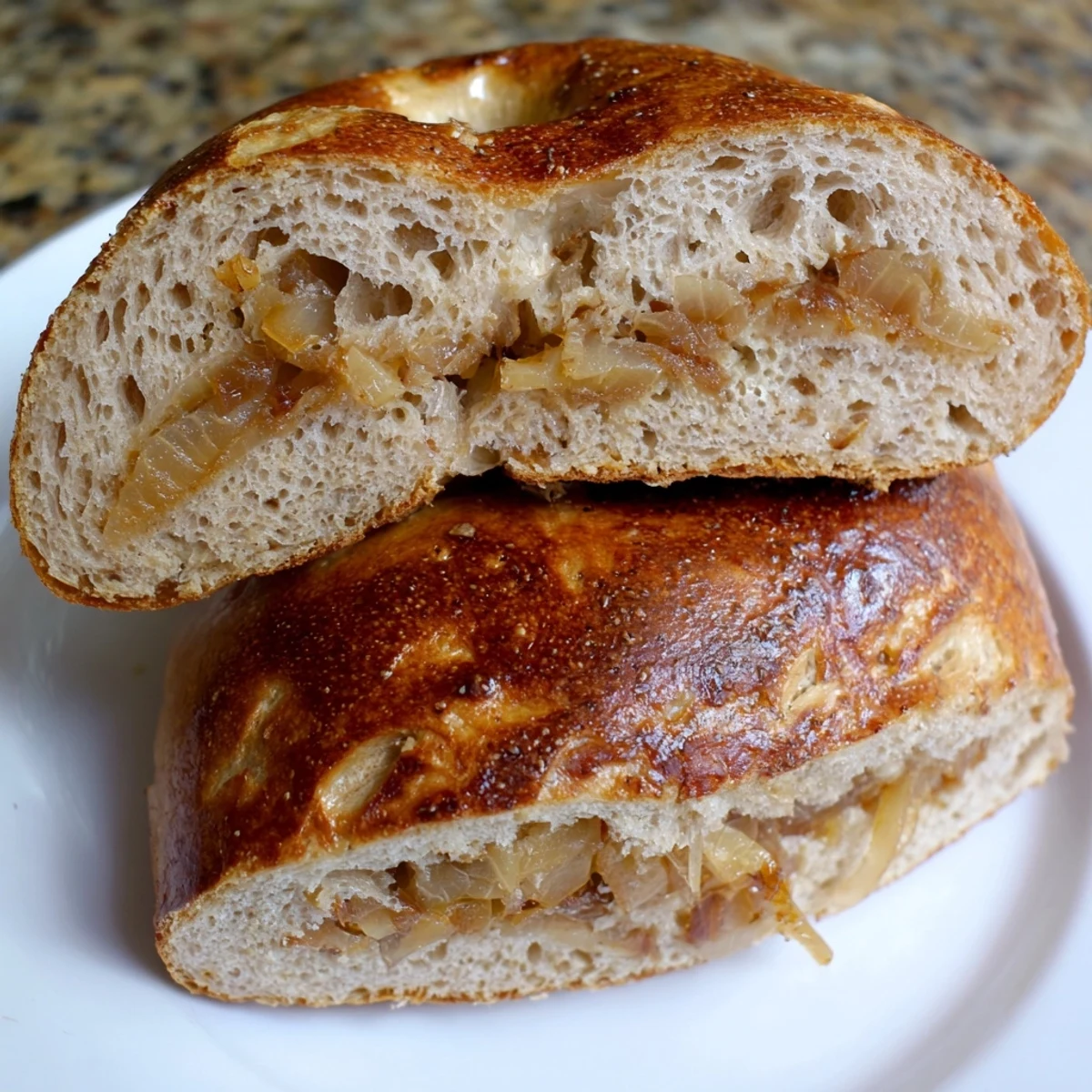
Save These sourdough onion bagels combine the complex tang of fermented dough with the rich sweetness of slowly caramelized onions. The overnight fermentation develops deep flavor while creating that signature chewy texture bagel lovers crave. Each bagel gets a quick boil before baking, ensuring the perfect glossy crust and tender interior.
The process spans about 13 hours total, but most of that is hands-off fermentation time. Active sourdough starter brings natural leavening and subtle acidity, while the barley malt syrup boiling bath gives these bagels their authentic shiny finish. The caramelized onion topping adds savory-sweet depth that pairs beautifully with cream cheese or smoked salmon.
The smell of onions slowly caramelizing on the stove has become my Sunday morning soundtrack. I started making these sourdough bagels during a particularly cold winter when bakery runs felt like too much effort. Now they have become such a weekend tradition that my family starts asking about them on Friday evenings.
My first attempt at bagel shaping was absolutely hilarious. I ended up with lumpy misshapen rings that looked more like pretzels than bagels. My kids ate them anyway, claiming the ugly ones tasted better, but I have since learned that gently rolling the dough into smooth balls before poking the hole makes all the difference.
Ingredients
- Active sourdough starter: Use a starter that has been fed within the last 12 hours and is bubbling vigorously for the best rise
- Bread flour: The higher protein content creates that chewy bagel texture we all love
- Whole wheat flour: Adds a subtle nutty flavor and extra structure to the dough
- Honey: Feeds the sourdough and helps the onions caramelize beautifully
- Fine sea salt: Coarse salt can create holes in your dough, so stick with fine
- Yellow onions: Sweet onions work best here, they become almost candy-like when slow cooked
- Barley malt syrup: This is the secret to that authentic bakery shine and flavor
Instructions
- Caramelize the onions:
- Heat olive oil in a skillet over medium-low heat, add the sliced onions and salt, then cook slowly for 20 to 25 minutes until they turn deep golden brown and smell incredibly sweet.
- Mix the dough:
- Combine your starter with warm water and honey until dissolved, then add both flours and salt, mixing until a shaggy dough forms that pulls away from the sides of the bowl.
- Knead to perfection:
- Turn the dough onto a lightly floured surface and knead for 8 to 10 minutes until it feels smooth and springs back when you poke it with your finger.
- First rise:
- Place the dough in an oiled bowl, cover it with a damp towel, and let it rest at room temperature for 4 to 6 hours until it has doubled in size.
- Shape the bagels:
- Divide the dough into 8 equal pieces, roll each into a tight ball, then poke your thumb through the center and gently stretch to form a 2-inch hole.
- Overnight proof:
- Arrange the bagels on a parchment-lined baking sheet, cover loosely, and let them rest at room temperature for 1 hour before refrigerating overnight for that slow fermentation.
- Prepare the water bath:
- Bring 2 liters of water to a gentle boil and stir in the barley malt syrup or honey until dissolved.
- Boil for that classic chew:
- Carefully lower each cold bagel into the boiling water and cook for 45 seconds per side, then remove with a slotted spoon and return to the baking sheet.
- Top and bake:
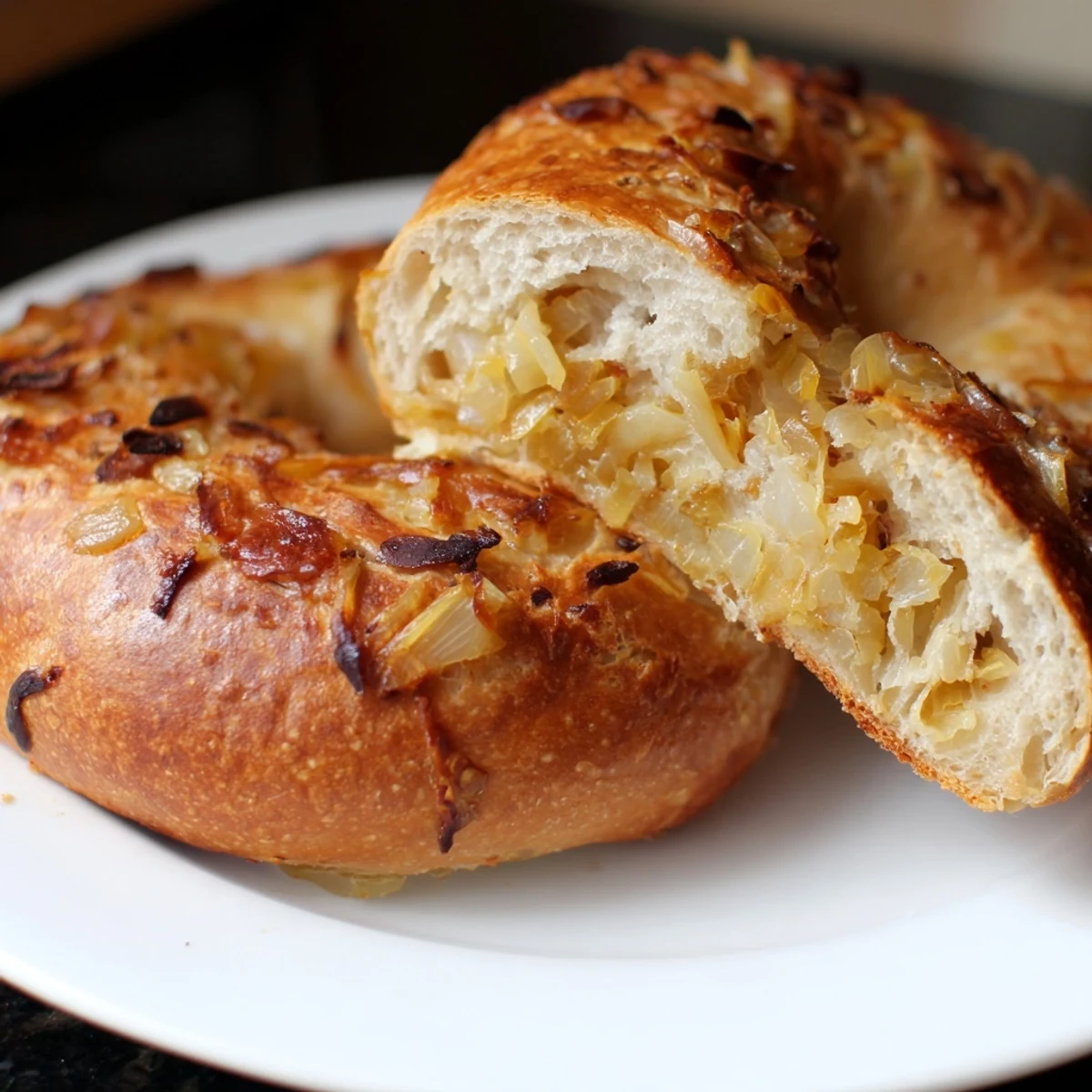
- Press the cooled caramelized onions onto the wet bagels so they stick, then bake at 425°F for 20 to 25 minutes until they are deeply golden and sound hollow when tapped.
 Save
Save These bagels have become my go-to gift for new neighbors and housewarming presents. There is something incredibly special about handing someone a warm bagel you created from scratch, and the onions make them feel fancy enough for any brunch table.
Mastering The Shaping
I struggled with bagel shaping until I learned to roll the dough pieces into very tight balls before poking the hole. This tension in the dough helps the bagels keep their shape during boiling and baking, giving you that professional bakery look.
Timing Your Bake
The best trick I learned is to start boiling the water while the oven preheats. This way your bagels go straight from the water bath into a hot oven, which helps create that crispy crust we all want on a good bagel.
Storing And Freezing
These bagels freeze beautifully if you slice them first. I keep a stash in the freezer and pop frozen slices directly into the toaster, which actually gives them an even better texture than fresh.
- Wrap cooled bagels individually in plastic wrap before freezing
- Thaw frozen slices in the toaster for 2 to 3 minutes
- Store fresh bagels at room temperature for up to 2 days in a paper bag
 Save
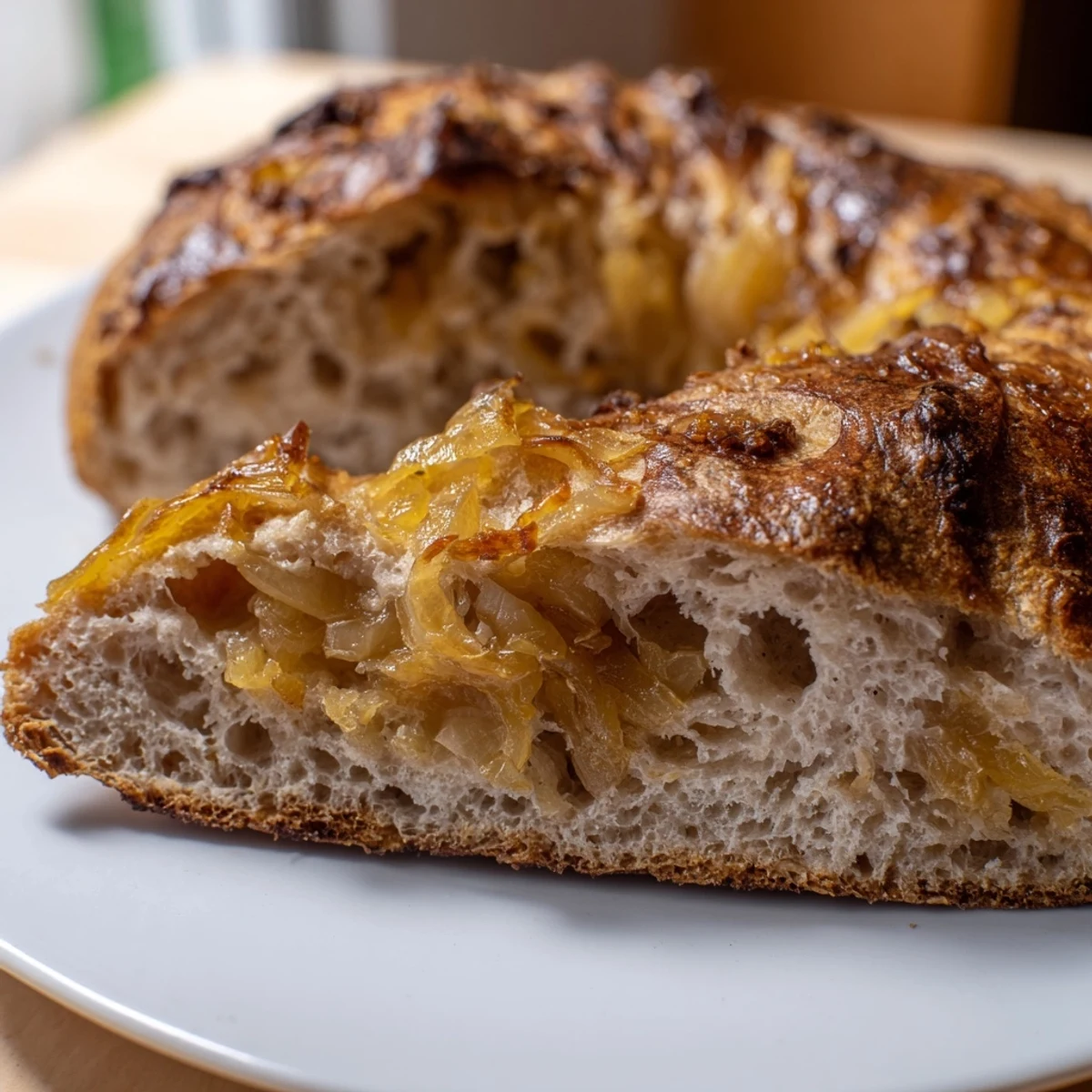
Save There is nothing quite like slicing into a warm bagel you made yourself, especially one studded with sweet caramelized onions and tangy sourdough flavor. Happy baking, friend.
Recipe Q&A
- → What makes sourdough bagels different from regular ones?
-
Sourdough bagels use fermented starter instead of commercial yeast, resulting in deeper flavor complexity, better digestibility, and a chewier texture that develops over the longer fermentation period.
- → Can I skip the overnight refrigeration?
-
The overnight cold proof is crucial for flavor development and texture. Skipping it will result in less chewy bagels with milder taste. Plan ahead for the best results.
- → Why boil bagels before baking?
-
Boiling gelatinizes the surface starch, creating that signature shiny crust and preventing the bagels from rising too much in the oven. This step is essential for authentic texture and appearance.
- → How do I store these bagels?
-
Store at room temperature for up to 2 days in a sealed bag, or slice and freeze for up to 1 month. Toast frozen bagels directly from the freezer for best results.
- → Can I use instant yeast instead of sourdough?
-
You can substitute with instant yeast, but you'll lose the characteristic tang and extended fermentation benefits. Use 2 tsp instant yeast and reduce the first rise to 2 hours.
- → What if I don't have barley malt syrup?
-
Honey makes an excellent substitute for the boiling liquid. The bagels will still develop good color and flavor, though the malt notes will be slightly different.