
 Save
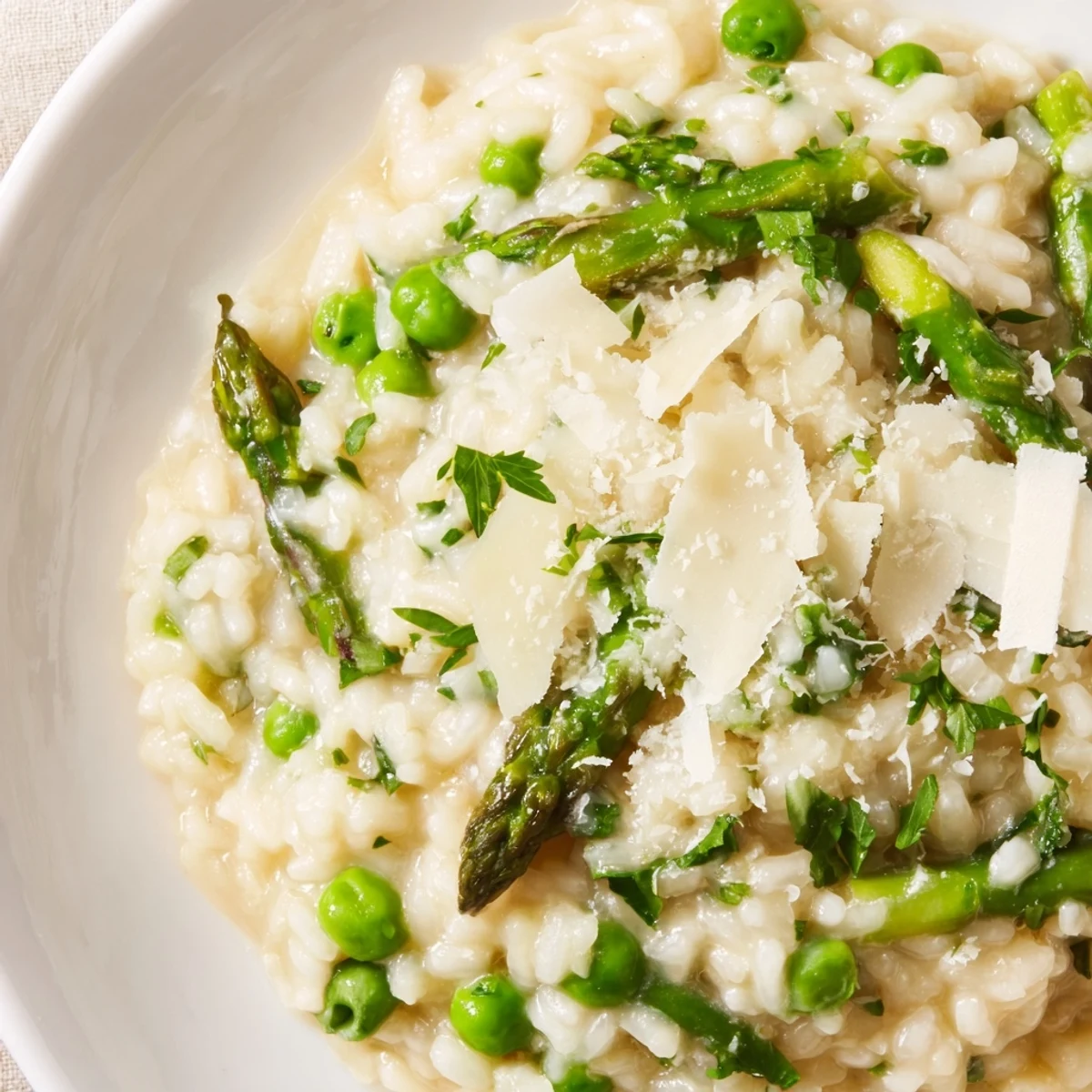
Save This vibrant risotto combines tender spring peas and bright asparagus with creamy Arborio rice, simmered slowly in vegetable broth and white wine. Finished with freshly grated Parmesan, butter, lemon zest, and parsley, it offers a fresh and luxurious Italian dish ideal as a main or side. The process involves gradual broth absorption, gentle steaming of vegetables, and careful seasoning with salt and pepper. This dish balances rich dairy elements with the crispness of spring produce for a satisfying, elegant meal.
The first time I made risotto properly, I stood at the stove stirring what felt like an endless pot of rice, wondering if I'd misunderstood something fundamental about Italian cooking. My kitchen filled with the scent of simmering broth and sautéed onions, and somewhere around minute fifteen of constant stirring, the rice transformed before my eyes—suddenly creamy, suddenly alive. Now this pea and asparagus version marks the moment spring truly arrives in my kitchen, when the farmers market starts bursting with green things and I remember why all that stirring is worth it.
Last April I served this at a dinner party where my friend Sarah, who claims she hates vegetables, went back for thirds. She kept asking what made it taste so vibrant and fresh, and I just smiled and said it was the magic of spring produce treated with absolute respect. Watching someone discover that vegetables can be the star of a luxurious meal—that's the kind of kitchen memory that sticks with you.
Ingredients
- Arborio rice: This short-grain rice is essential because it releases starch slowly as you stir, creating that signature creamy texture without any cream
- Asparagus: Trim the woody ends and cut into bite-sized pieces so every forkful gets that perfect crunch
- Fresh peas: Frozen work beautifully, but if you find fresh peas at the market, shell them while you listen to a podcast—it's worth every minute
- Vegetable broth: Keep it warm in a separate pan so adding cold broth doesn't shock the rice and interrupt the creamy magic
- White wine: Dry and crisp adds depth and acidity, but the alcohol completely cooks off
- Parmesan: Freshly grated makes a difference you can taste, melting into those warm grains like a savory embrace
- Lemon zest: The secret weapon that cuts through the richness and makes spring vegetables taste even more like themselves
- Butter: Two tablespoons stirred in at the end transforms good risotto into restaurant-quality comfort food
Instructions
- Get your broth warm:
- Start by bringing your vegetable broth to a gentle simmer in a saucepan, then keep it warm over low heat while you prep everything else
- Build your foundation:
- Heat olive oil in your heavy-bottomed pan over medium heat, cook the onion until translucent and fragrant, then add garlic for just one minute until it releases its perfume
- Toast the rice:
- Stir in the Arborio rice and cook for two minutes, watching the grains turn slightly translucent at the edges while they get coated in all those flavorful oils
- Add the wine:
- Pour in the white wine and stir constantly until it's almost completely absorbed, filling your kitchen with an incredible aroma
- The slow addition:
- Add warm broth one ladle at a time, stirring frequently and letting each addition absorb before adding the next, until the rice is creamy and al dente after about 18 to 20 minutes
- Prep the vegetables:
- While the rice cooks, blanch your asparagus pieces for two to three minutes until bright green and just tender, adding the peas for the final minute
- Bring it together:
- When the risotto is almost perfect, fold in the asparagus, peas, lemon zest, and parsley, cooking for two more minutes so everything mingles
- The finishing touch:
- Remove from heat and stir in the butter and Parmesan until melted and creamy, then season with salt and pepper to taste
 Save
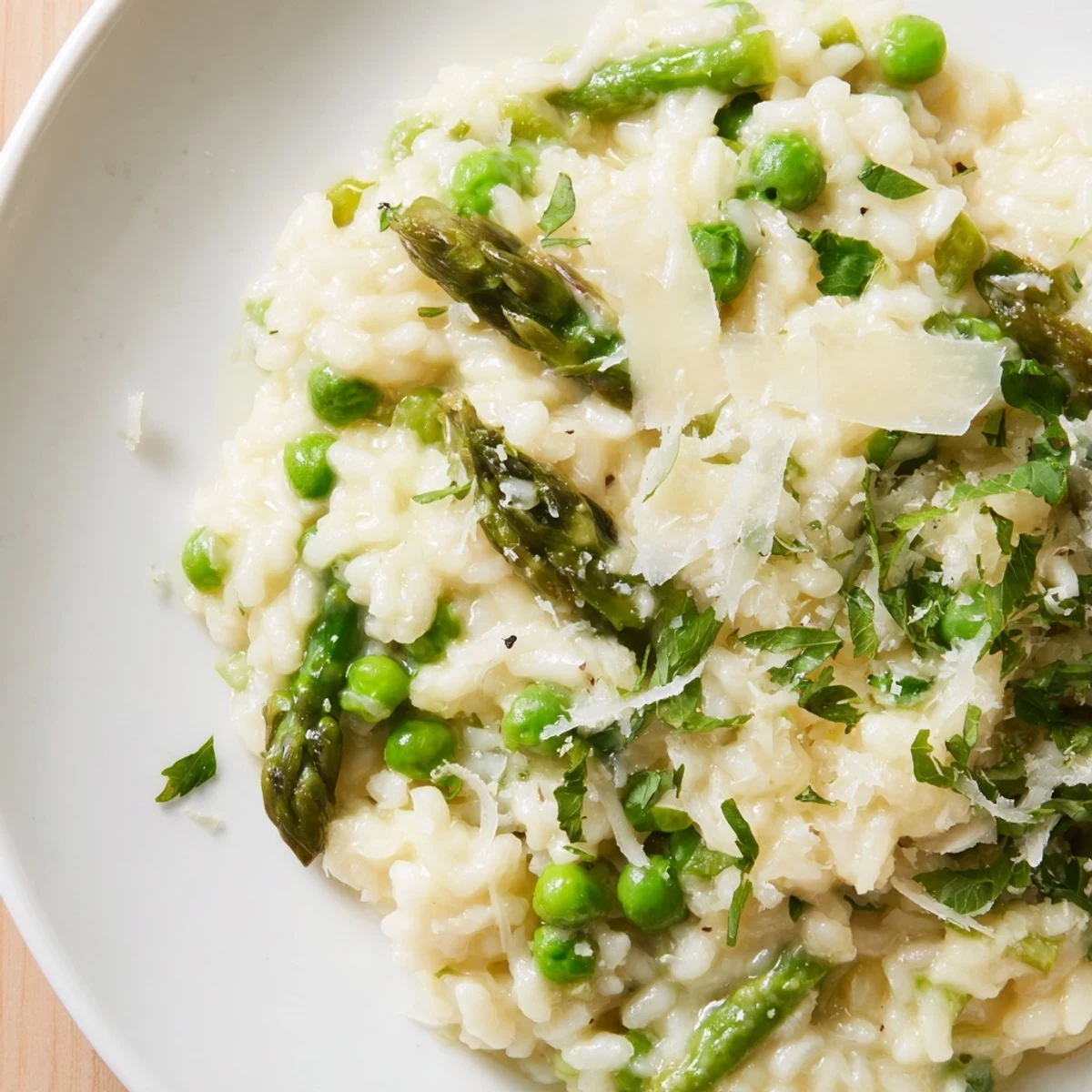
Save There's something meditative about making risotto once you accept that you're going to be standing at the stove for a while. I've learned to pour myself a glass of that same white wine I'm cooking with, put on music that makes me want to dance in place, and treat those twenty minutes of stirring as a little gift to myself rather than a chore.
Timing Your Vegetables
I learned the hard way that adding raw asparagus directly to the risotto results in either undercooked crunchy spears or overcooked mushy rice. Blanching them separately is the secret—they stay bright green and perfectly tender while the rice finishes its journey to creaminess. The peas only need a quick minute, so pop them in during the asparaguss final moments of blanching.
The Wine Question
Use a wine you'd actually want to drink with dinner, because the flavor concentrates as it reduces and becomes part of the dish's backbone. A crisp Pinot Grigio or Sauvignon Blanc works beautifully, but I've also used whatever dry white was open in my fridge with excellent results. Just skip anything too sweet or oaky—you want brightness, not syrup.
Leftovers and Make-Ahead Wisdom
Risotto waits for no one, so plan to serve it immediately. Leftovers can be transformed into arancini (crispy fried rice balls) the next day, or simply reheated with an extra splash of broth to bring back that creamy texture. I've been known to make a double batch just so I can enjoy those crispy, golden arancini for lunch.
- If you need to prep ahead, chop all your vegetables and measure your ingredients beforehand
- The risotto base can be cooked almost completely, then spread on a baking sheet to cool quickly before finishing at the last minute
- Always taste your rice before declaring it done—it should have a slight bite in the center
 Save
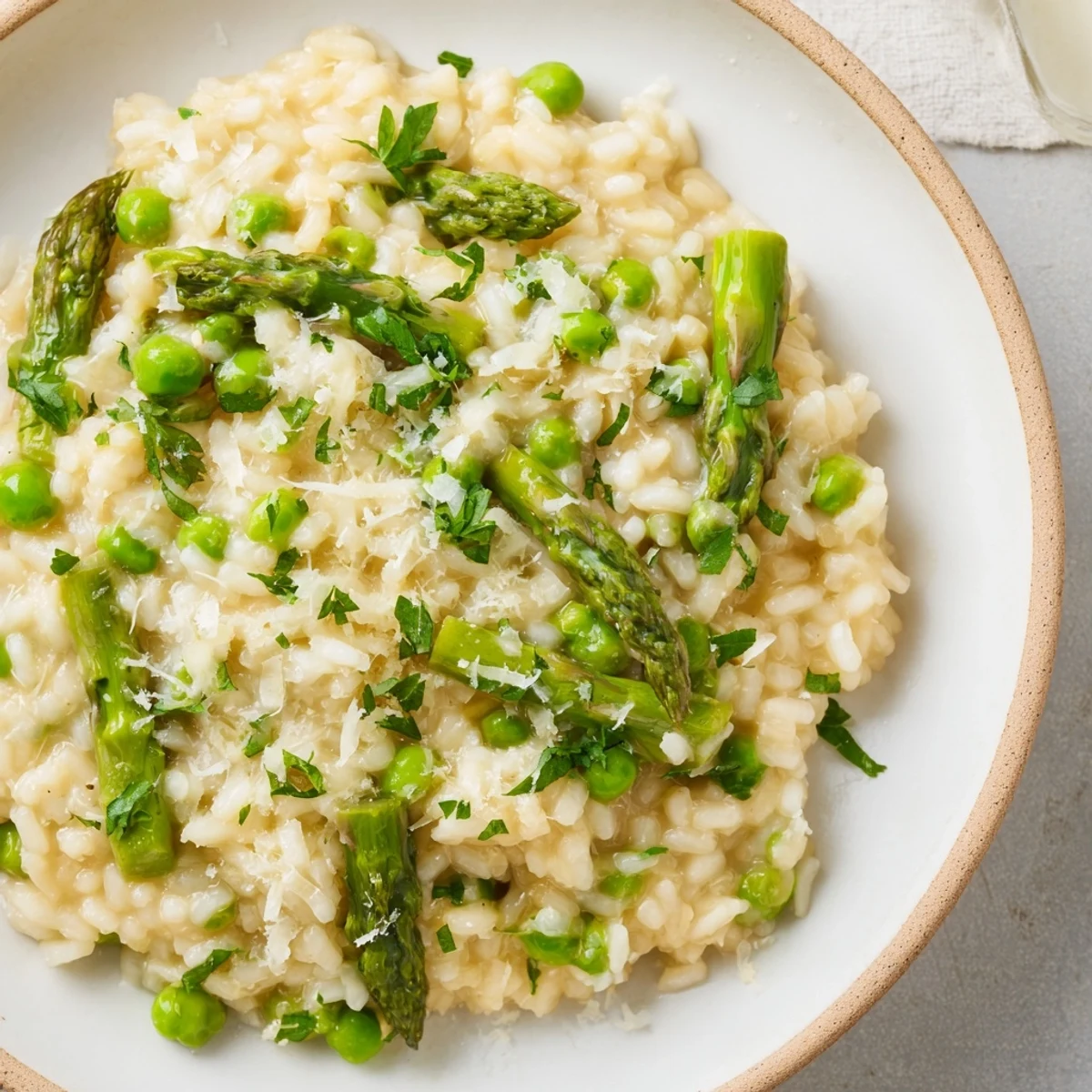
Save Every spring I make this risotto and every spring I'm reminded that simple ingredients treated with patience and care become something extraordinary. That first bite—creamy, bright, vegetal, rich—feels like everything good about the season in a single spoonful.