
 Save
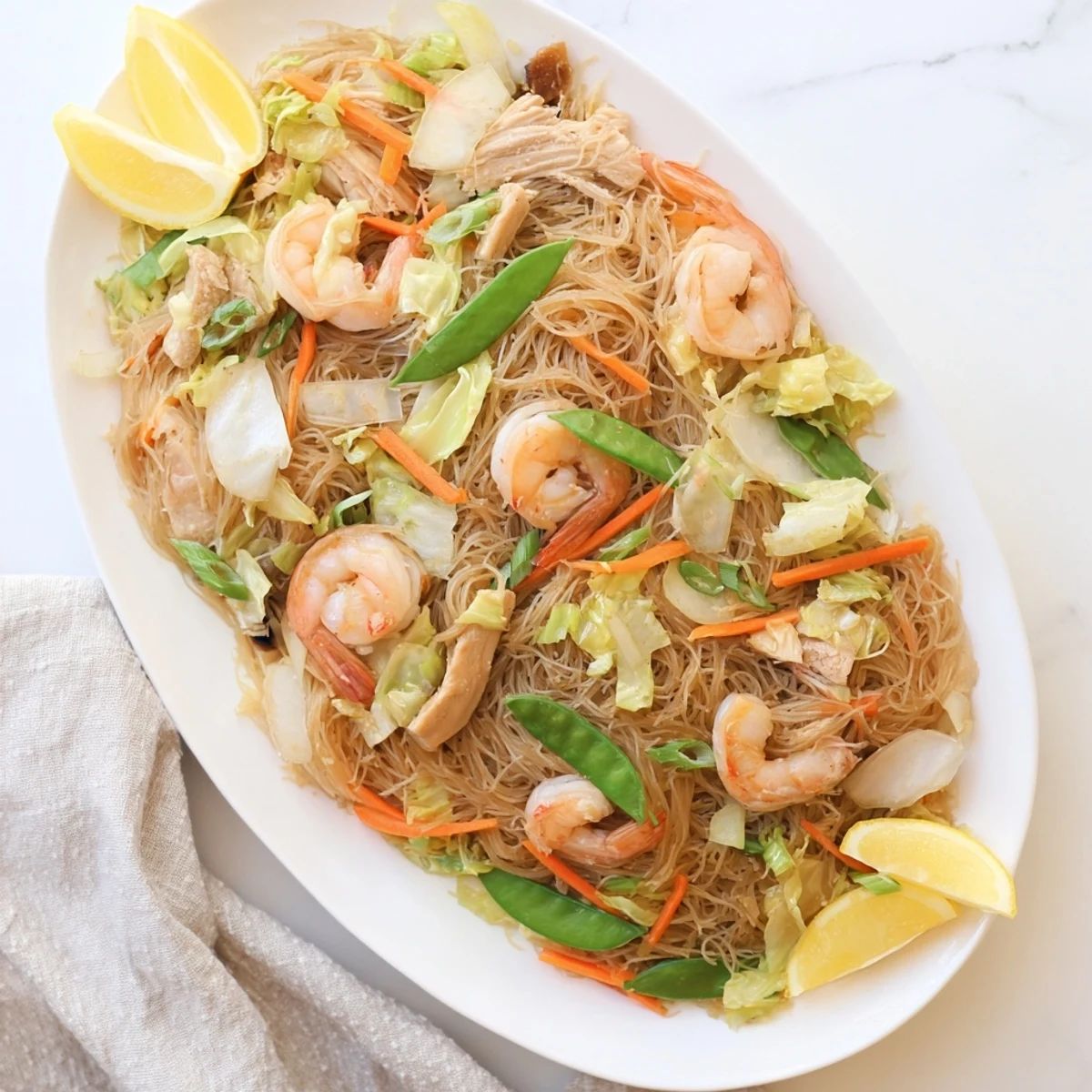
Save This classic Filipino noodle dish features thin rice vermicelli wok-tossed with tender chicken breast, plump shrimp, and crisp vegetables like carrots, cabbage, and snow peas. The noodles absorb a rich sauce made from soy sauce, oyster sauce, and chicken broth, creating an umami-packed flavor profile. Perfect for family gatherings or weeknight dinners, this satisfying stir-fry comes together in just 40 minutes and serves four people generously.
The steam rising from our wok always signaled something special was happening. My grandmother would insist on stirring the noodles herself, claiming the rhythm mattered more than the ingredients. She was right somehow those rice noodles soaked up every drop of flavor.
Last Sunday my cousin watched me cook and asked why I was so particular about the vegetable cuts. I told her thin juliennes cook evenly and keep their crunch. By the time we sat down, she had already taken notes for her own attempt.
Ingredients
- 200 g boneless chicken breast: Slice it thin against the grain so each piece stays tender
- 100 g medium shrimp: Fresh ones give the best sweetness but frozen thawed properly works fine
- 200 g dried bihon noodles: These thin rice vermicelli noodles are the heart of the dish
- 1 small carrot: Julienned thin adds both color and a slight sweetness
- 1 cup green cabbage: Shredded it brings necessary crunch and balances the richness
- 1/2 cup snow peas: Leave them halved so they stay snappy not mushy
- 1 small onion: Slice it thin so it melts into the background flavors
- 3 cloves garlic: Minced fine because garlic should be felt not seen
- 2 tbsp soy sauce: This builds the savory foundation
- 1 tbsp oyster sauce: Adds that umami depth you cannot quite place
- 1 tsp fish sauce: Just enough to round out the flavors without overwhelming
- 1/2 tsp ground black pepper: Freshly cracked makes all the difference here
- 1 cup chicken broth: Homemade is best but store bought in a pinch works
- 2 tbsp chopped scallions: Fresh green onion on top brings brightness
- 1 lemon or calamansi: The acid cut right through the richness when squeezed over
Instructions
- Prep the noodles:
- Soak bihon in warm water for 10 minutes until pliable then drain well so they do not get watery.
- Build the base:
- Heat oil in a wok over medium high heat then cook garlic and onion until fragrant and translucent.
- Cook the proteins:
- Add chicken first letting it brown lightly then toss in shrimp until just pink and set both aside.
- Sauté the vegetables:
- Stir fry carrots cabbage and snow peas for 2 to 3 minutes keeping them crisp not soft.
- Combine everything:
- Return proteins to the pan then pour in soy sauce oyster sauce fish sauce and broth bringing it to a gentle simmer.
- Add the noodles:
- Toss in the drained bihon using tongs to coat every strand evenly and let them absorb the sauce for 3 to 4 minutes.
- Season and serve:
- Taste and adjust with pepper then plate topped with scallions and citrus wedges on the side.
 Save
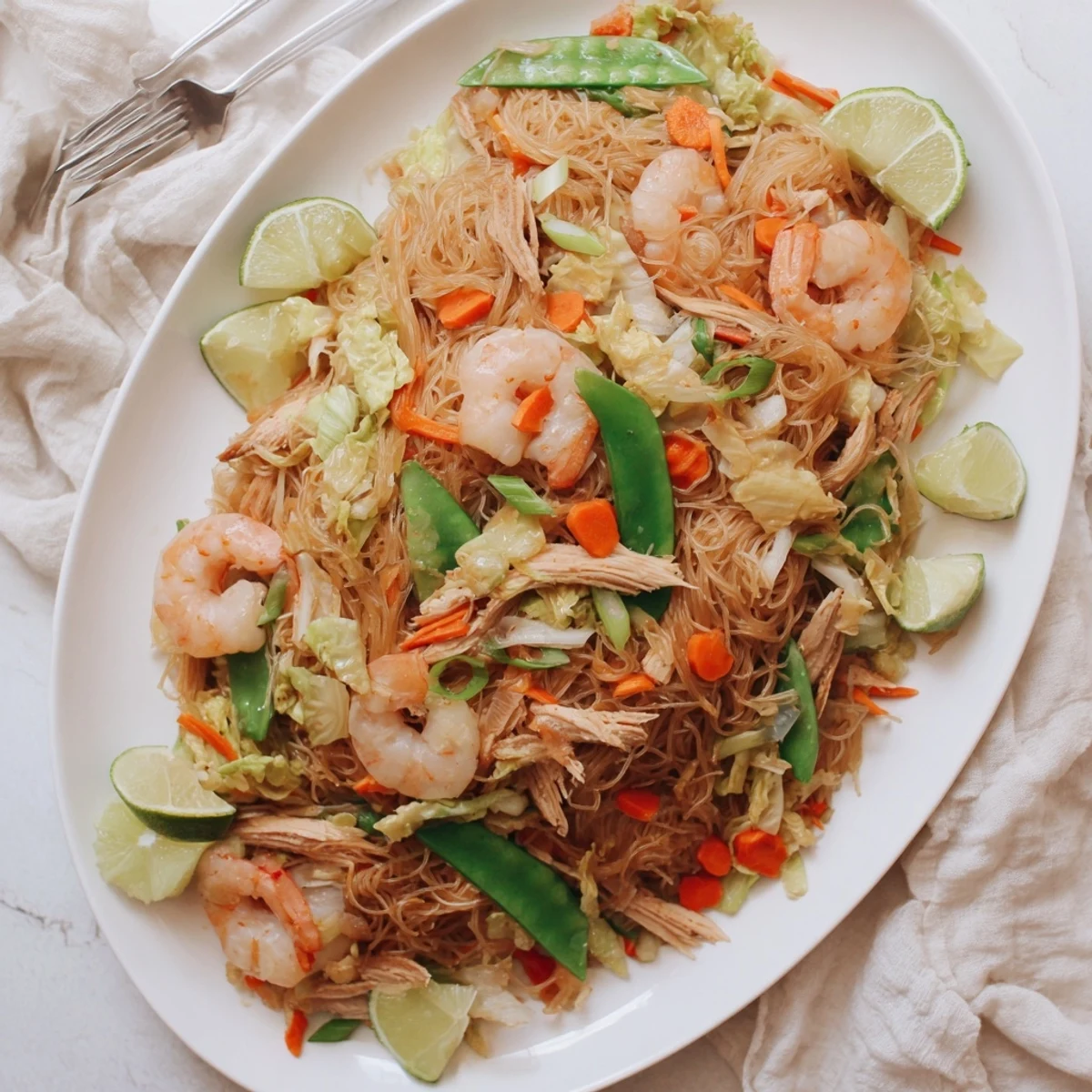
Save My daughter asked why we always squeeze calamansi at the table instead of cooking it in. I explained that the bright fresh acidity wakes up all the cooked flavors. Now she insists on doing the squeezing herself every single time.
Getting The Noodle Texture Right
Rice noodles can be tricky because they go from perfect to pasty in seconds. I learned to test them by biting a strand every minute once they hit the sauce. They should have a slight bounce not be completely soft.
Building Layers of Flavor
The secret is cooking the aromatics slowly before anything else hits the pan. Rushing this step means missing out on that deep garlicky onion sweetness that makes Filipino stir fry distinctive.
Making It Your Own
Some cooks add bell peppers for color or swap shrimp for pork based on what they have. The technique matters more than exact ingredients as long as you keep the balance of textures.
- Try adding sliced mushrooms for extra umami
- A pinch of red pepper flakes brings gentle heat
- Leftovers reheat beautifully with a splash of water
 Save
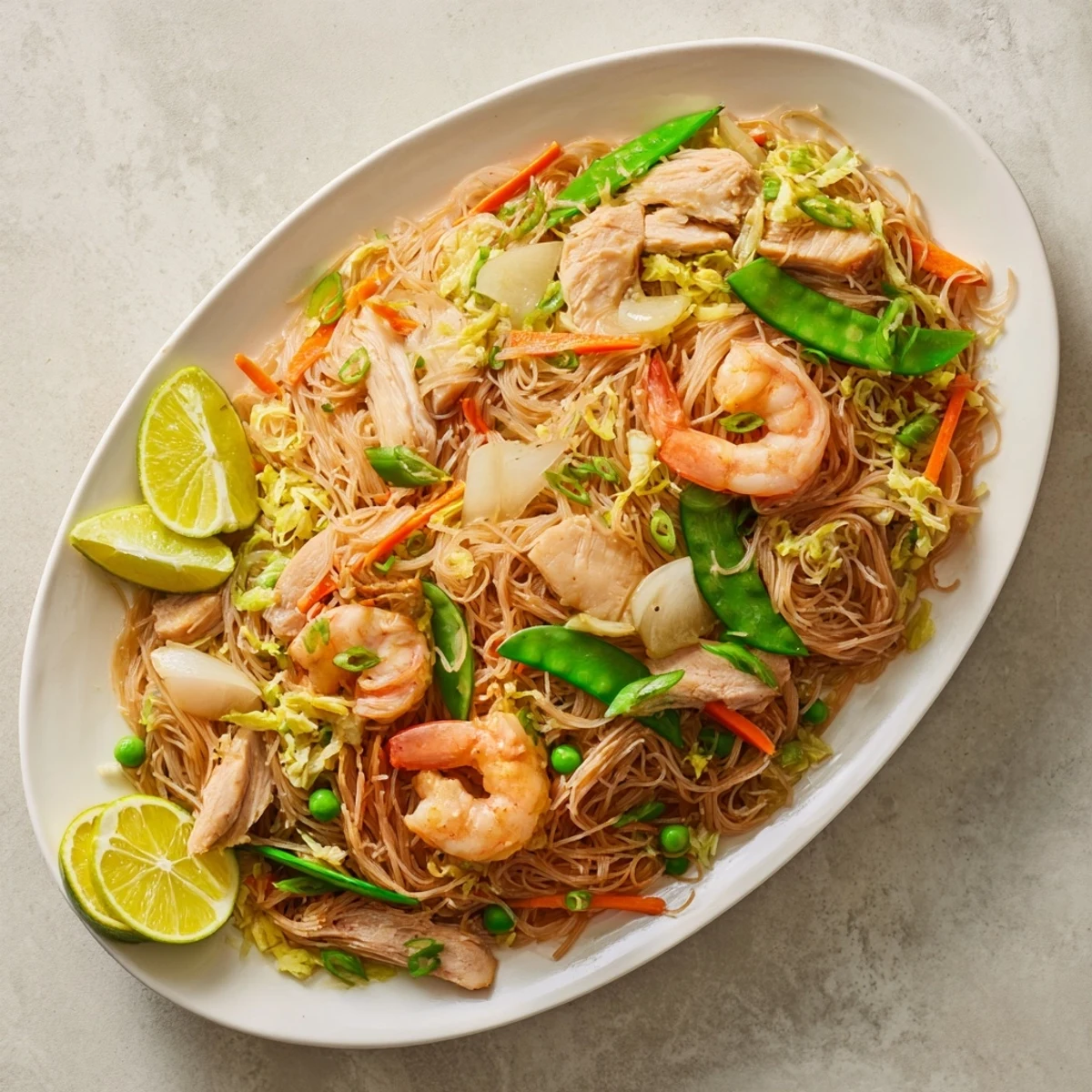
Save This dish has fed our family through birthdays holidays and random Tuesday nights. Good food does not have to be complicated.
Recipe Q&A
- → What makes Pancit Bihon different from other pancit varieties?
-
Bihon specifically uses thin rice vermicelli noodles, unlike canton which uses egg noodles or sotanghon which uses bean thread noodles. The rice noodles have a delicate texture that absorbs flavors beautifully while maintaining a slight chewiness after stir-frying.
- → Can I prepare this dish ahead of time?
-
While best served immediately, you can prep all ingredients in advance. Store sliced vegetables, proteins, and sauce separately in the refrigerator. The actual cooking takes just 15 minutes when everything is ready. Leftovers reheat well in a skillet with a splash of water or broth.
- → How do I prevent the noodles from becoming mushy?
-
Soak noodles only until pliable, not completely soft. Drain them thoroughly before adding to the wok. Toss gently and cook just until heated through and sauce is absorbed. Avoid overcooking as the thin rice noodles continue to soften from residual heat.
- → What proteins work best in this dish?
-
The classic combination includes chicken breast and shrimp for variety in texture and flavor. You can also use pork belly strips, beef slices, or cubed tofu. For a seafood version, try adding mussels or squid. Adjust cooking times accordingly to ensure proteins are properly cooked.
- → Can I make this gluten-free?
-
Yes, use certified gluten-free soy sauce and tamari instead of regular soy sauce. Verify that your oyster sauce is gluten-free or substitute with coconut aminos. The rice noodles are naturally gluten-free, making this dish easily adaptable for those with gluten sensitivities.
- → What vegetables can I add or substitute?
-
Beyond the traditional carrots, cabbage, and snow peas, try adding bell peppers, snap peas, celery, or young corn. Bok choy and Chinese cabbage work beautifully. For added color, include green beans or broccoli florets. Adjust cooking times based on vegetable hardness.