
 Save
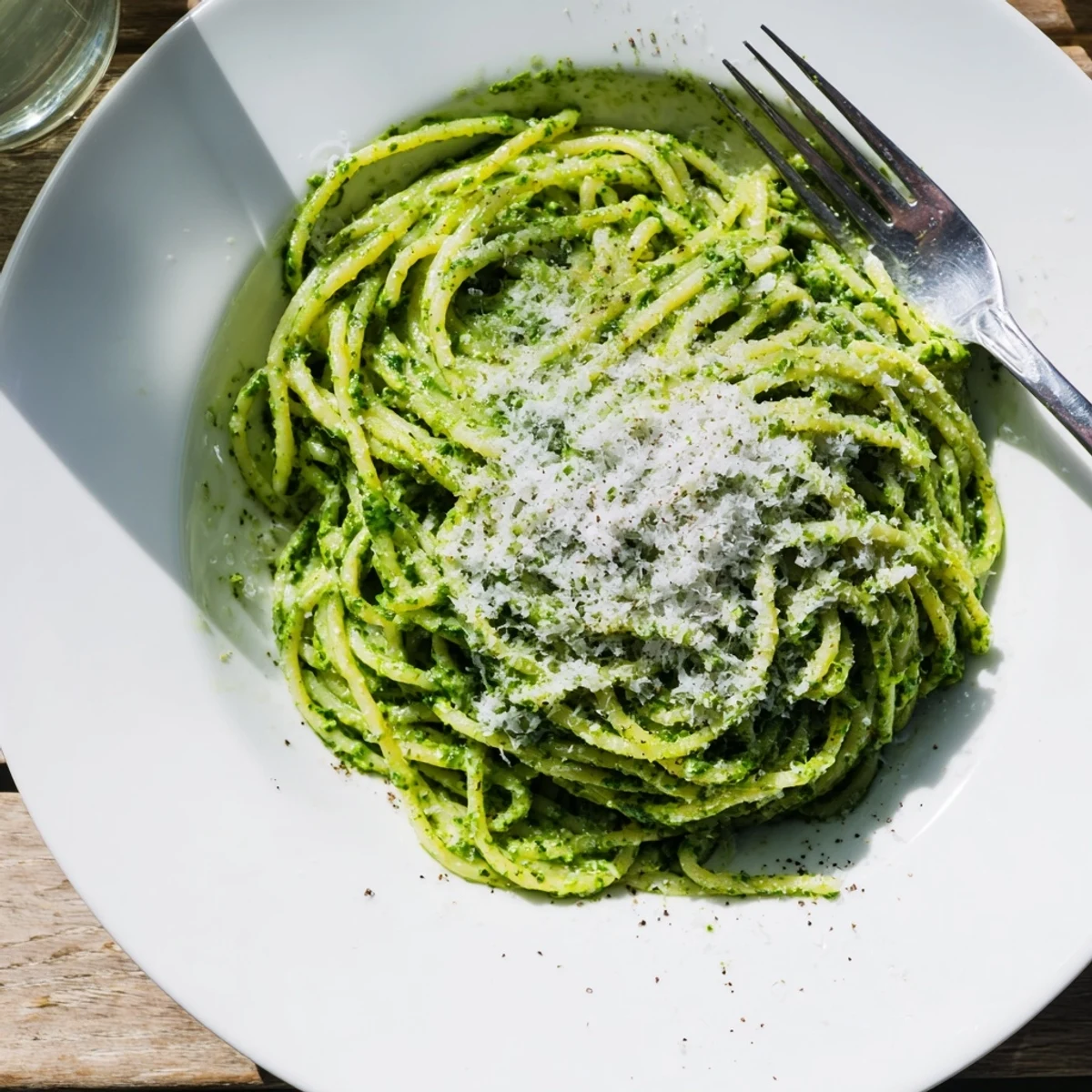
Save This wild garlic pesto pasta brings the best of spring to your plate in under 30 minutes. A vibrant green sauce made from wild garlic leaves, toasted pine nuts, Parmesan, and a hint of lemon coats every strand of pasta perfectly.
It's a simple yet impressive dish that works as a quick weeknight dinner or a casual gathering with friends. The pesto comes together in a food processor while the pasta cooks, making it effortlessly efficient.
The smell hit me before I even saw the leaves, a pungent, green, almost electric aroma rising from a paper bag my neighbor thrust into my hands one April morning. Wild garlic season is maddeningly brief, and she knew I would not let it go to waste. That same evening, my kitchen counters were covered in broad, pointed leaves and my fingers smelled like a forest floor after rain.
I served this to friends on a rainy Tuesday when the cupboards were nearly bare and nobody expected anything memorable. Four bowls clattered empty within fifteen minutes, and someone actually licked the rim of the serving dish when they thought nobody was looking.
Ingredients
- 75 g wild garlic leaves: Rinse them thoroughly and pat dry because grit hides in the folds and will ruin the silky texture you are after.
- 50 g toasted pine nuts or walnuts: Toasting is not optional here because raw nuts leave the pesto tasting flat and slightly bitter.
- 50 g freshly grated Parmesan cheese: Grate it yourself from a block because pre grated cheese contains anti caking agents that make the sauce grainy.
- 1 garlic clove: Just one is enough since the wild garlic already brings plenty of punch.
- 100 ml extra virgin olive oil: Use a decent one because its flavor is front and center in this recipe.
- Half a lemon, juiced: The acid lifts everything and keeps the green color vivid.
- Salt and black pepper: Season gradually and taste as you go.
- 400 g dried pasta: Spaghetti, linguine, or penne all work beautifully.
Instructions
- Boil the pasta:
- Bring a large pot of generously salted water to a rolling boil and cook the pasta until just al dente. Scoop out half a cup of that starchy water before draining because it is the secret to a glossy, clinging sauce.
- Build the pesto:
- Toss the wild garlic leaves, toasted nuts, Parmesan, and garlic clove into a food processor and pulse until roughly chopped. You want texture, not baby food, so stop before it turns into a completely smooth paste.
- Stream in the oil:
- With the motor running, pour the olive oil in a slow, steady stream until the mixture turns a vivid, almost improbable green. Squeeze in the lemon juice, season boldly, and blend for just a few more seconds.
- Marry pasta and pesto:
- Dump the drained pasta back into its pot, spoon the pesto over it, and toss vigorously. Splash in reserved pasta water a tablespoon at a time until every strand is coated and the sauce looks glossy rather than thick.
- Serve right away:
- Twirl into warm bowls and finish with extra Parmesan and a generous crack of black pepper. This dish waits for no one, so call everyone to the table before you plate.
 Save
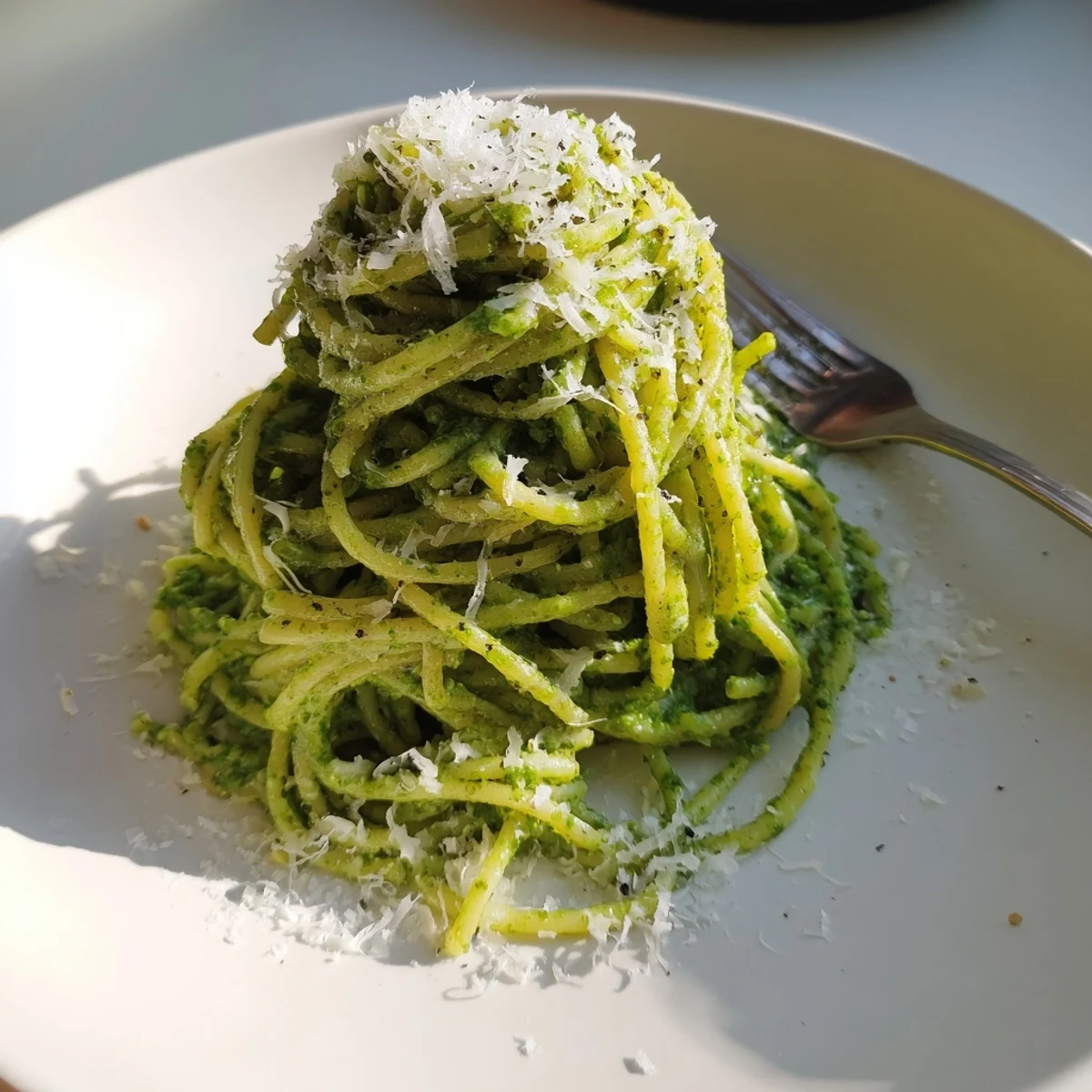
Save That spring evening ended with open windows, empty wine glasses, and a promise to make this again before the wild garlic disappeared from the hedgerows.
Swaps and Shortcuts
If wild garlic eludes you entirely, a mix of regular basil and a fat clove of garlic will get you reasonably close. For a vegan plate, nutritional yeast replaces Parmesan shockingly well, though you will want to add a little more salt to compensate.
What to Drink Alongside
A chilled Sauvignon Blanc or a light Pinot Grigio mirrors the clean, grassy notes in the pesto without overpowering them. I once paired this with a lukewarm lager on a Thursday night and regretted absolutely nothing.
Storing Leftovers
The pasta is best eaten immediately but leftover pesto keeps in a jar in the fridge for up to three days. A few practical things to remember if you plan ahead.
- Stir a thin layer of olive oil on top of stored pesto to create a seal against air.
- Freeze extra pesto in ice cube trays for single portions that thaw in minutes.
- Reheated pesto pasta will never look as vividly green but it will still taste wonderful.
 Save
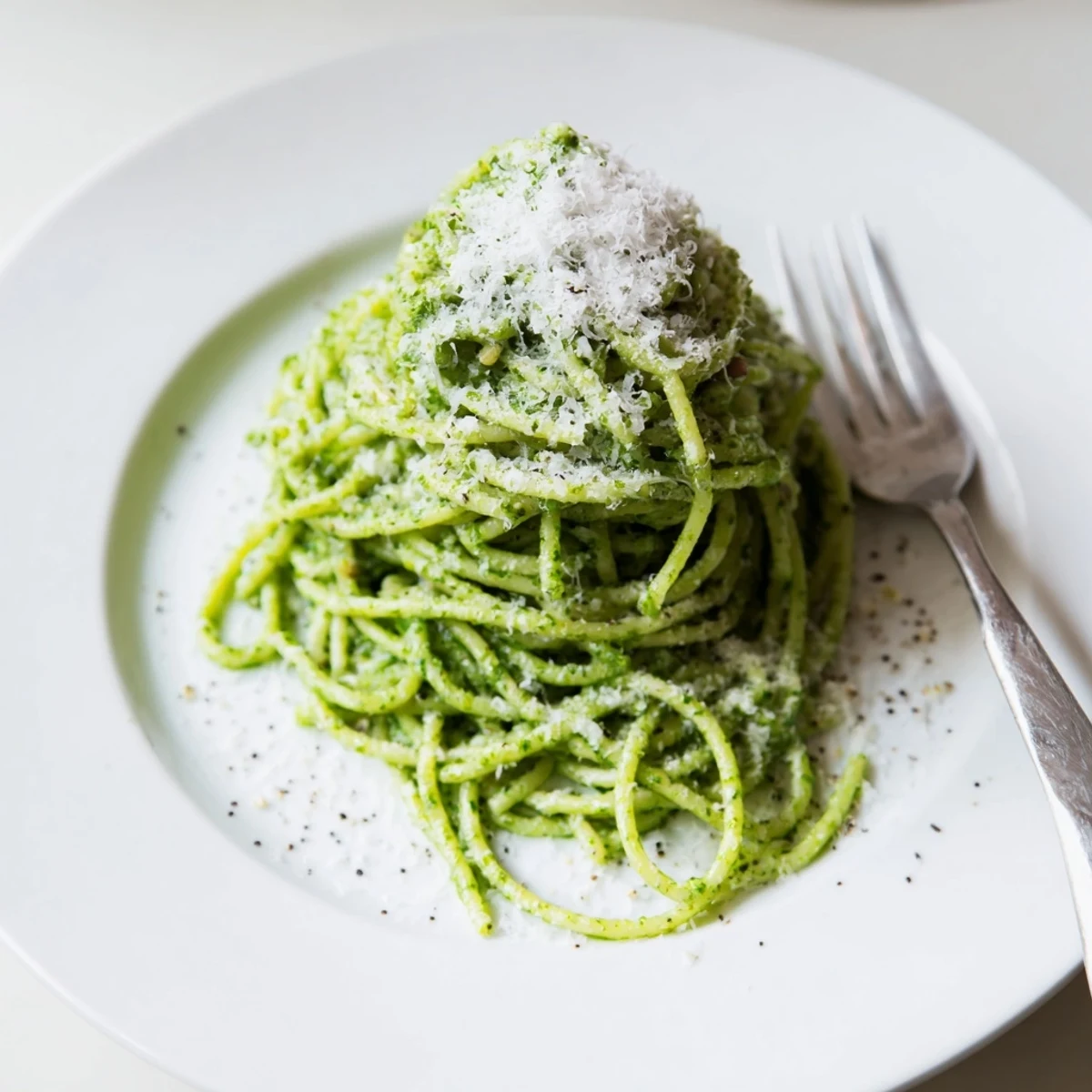
Save Wild garlic season passes in a blink, so grab it when you see it and make this the same night. Your kitchen will smell like an entire meadow walked indoors.
Recipe Q&A
- → Where can I find wild garlic leaves?
-
Wild garlic (also known as ramsons) is in season from March to June and can be foraged in woodland areas or found at farmers' markets and specialty grocery stores during spring.
- → Can I use regular garlic instead of wild garlic?
-
Regular garlic won't provide the same vibrant green color or mild, delicate flavor. However, you can substitute wild garlic leaves with a mix of fresh basil and baby spinach for a similar green pesto with a different but delicious taste profile.
- → What pasta shapes work best with this pesto?
-
Long strands like spaghetti or linguine allow the silky pesto to coat evenly. Short shapes like penne or fusilli also work well, as their ridges and curves hold onto the sauce nicely.
- → How do I store leftover wild garlic pesto?
-
Transfer leftover pesto to an airtight container, press a thin layer of olive oil on top to prevent oxidation, and refrigerate for up to 3 days. You can also freeze it for up to 3 months.
- → Can I make this dish vegan?
-
Absolutely. Replace the Parmesan with nutritional yeast or a plant-based hard cheese alternative. The pesto will still deliver plenty of savory, umami flavor without any dairy.
- → Why reserve pasta water for the pesto?
-
Pasta water contains starch that helps the pesto cling to the pasta and creates a silky, emulsified sauce. Adding a splash at a time gives you control over the final consistency.