
 Save
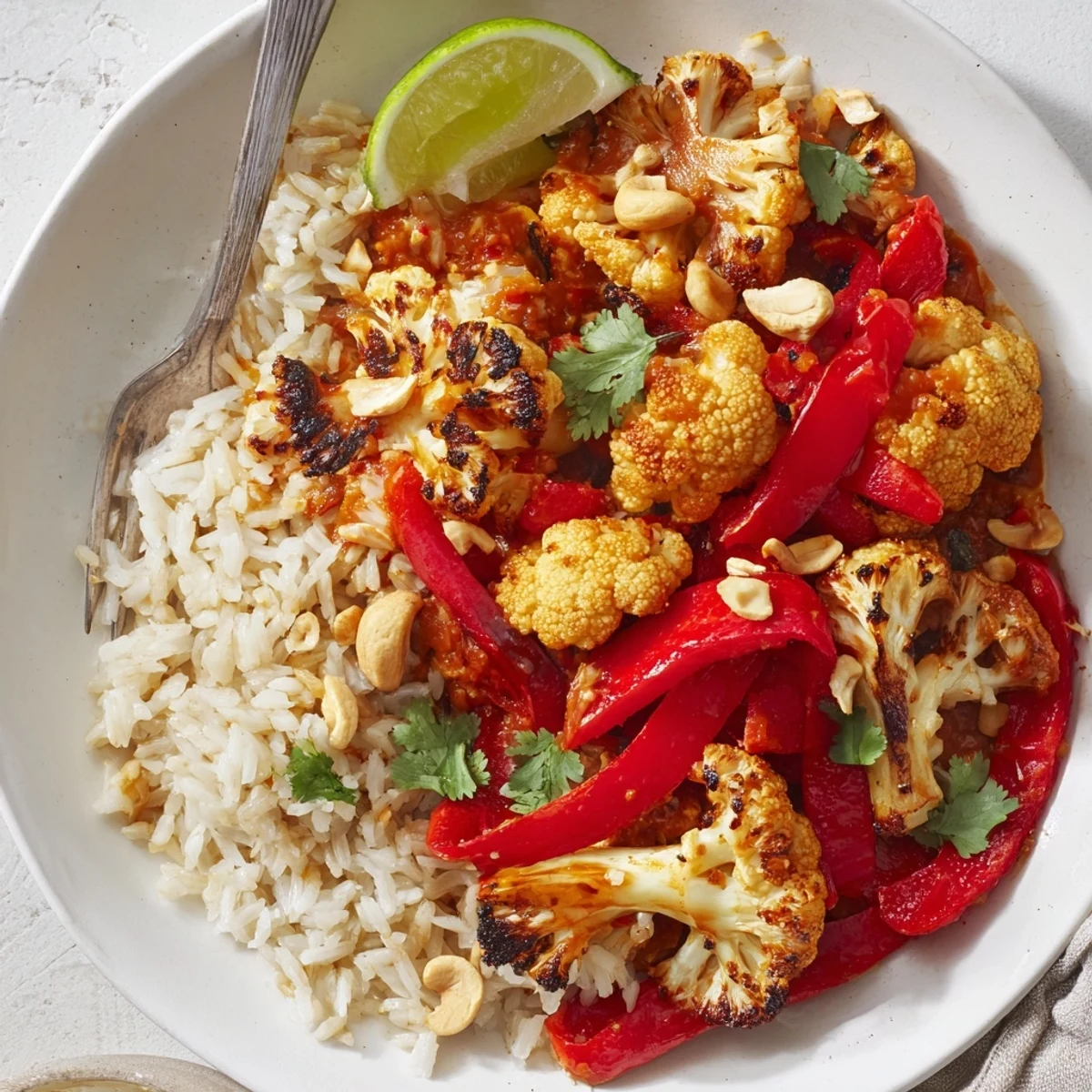
Save Roast cauliflower florets and red bell pepper with turmeric and oil at high heat until edges caramelize, then sauté onion, garlic and ginger. Stir in red curry paste, coconut milk and soy to form a glossy sauce, simmer to thicken. Fold in roasted veg and spinach, squeeze lime, and serve over fluffy jasmine or basmati rice. Finish with cilantro and toasted cashews for crunch; add chickpeas or tofu for extra protein.
Steam from sizzling curry and freshly roasted cauliflower always takes me right back to a rain-soaked evening when I craved something bold and comforting. That night, curiosity got the better of me—I wondered what would happen if I married my favorite Thai red curry with roasted vegetables instead of simmered ones. The results surprised me: each bite carried hints of smoky florets, bright peppers, and fragrant sauce, all spooned over fluffy grains. Sometimes, letting intuition take the lead in the kitchen pays off in the most flavorful ways.
I first made this dish late on a Sunday, with rain pattering the windows and my friend Jamal perched on the counter critiquing my chopping style between playlist debates. Our laughter mingled with the heady aroma of coconut and ginger, and by the time we were plating up, the kitchen felt like a cozy, aromatic hideaway from the world outside.
Ingredients
- Cauliflower: Roasting brings out its nutty sweetness; cut into bite-sized pieces to ensure even browning.
- Red bell pepper: Adds color and sweet crunch that holds up against the curry sauce.
- Onion: Softens and sweetens the base—dicing finely helps it almost melt away.
- Garlic: That unmistakable aroma sings through the sauce; crush it with the flat of your knife before mincing for the fullest flavor.
- Ginger: A microplane will help you grate it super fine, unleashing its zippy kick.
- Baby spinach: Totally optional, but I throw in handfuls just before serving for vibrant color and a nutrition boost.
- Jasmine or basmati rice: Rinsing first keeps the grains distinct and fluffy, not clumpy.
- Water: For perfectly cooked rice, keep the ratio precise—too much and you get mush.
- Salt: Don’t underestimate this tiny addition, especially in the rice.
- Red curry paste: Choose one with ingredients you recognize; check the heat level.
- Coconut milk: Full-fat for creaminess, or light if you prefer a thinner sauce.
- Soy sauce or tamari: A splash rounds out all the flavors—tamari keeps it gluten-free.
- Ground turmeric: It gives warmth and deep color to your roasted veg.
- Olive oil: Just enough to roast and sauté without heaviness.
- Lime juice: Wait until the end—its brightness makes everything pop.
- Fresh cilantro: Tear it, don’t chop, for best aroma right before serving.
- Lime wedges: Everyone loves to finish their plate with a little extra zing.
- Toasted cashews or peanuts: Brings crunch and feels restaurant-fancy, but skip if allergies are a concern.
Instructions
- Roast the vegetables:
- Preheat your oven and line a sheet with parchment—hear that satisfying sizzle as you toss cauliflower and peppers in oil, salt, and turmeric. Spread them out, and don’t crowd the pan; let them color up for 25–30 minutes, stirring halfway through.
- Simmer the rice:
- Rinse your rice until the water runs clear, then combine with water and salt in a pan. Once it boils, cover and lower the heat—no peeking—for about 15 minutes, then let it sit off-heat before fluffing.
- Start the sauce base:
- In a hot skillet, swirl a little olive oil, then tip in the onion, garlic, and ginger. Stir until the kitchen smells amazing and the onions look glossy.
- Curry it up:
- Add the red curry paste and watch it toast for a minute. Pour in coconut milk and soy sauce, scrape the bottom to catch any golden bits, and simmer until silky and thickened.
- Toss veggies and spinach:
- Add your roasted cauliflower and peppers into the skillet, plus a couple handfuls of spinach if you want, letting it wilt down briefly. Finish with a squeeze of lime and swirl everything gently to coat.
- Serve and garnish:
- Ladle the creamy curry onto soft rice. Scatter cilantro, roasted nuts, and lime wedges before diving in—optional, but highly encouraged.
 Save
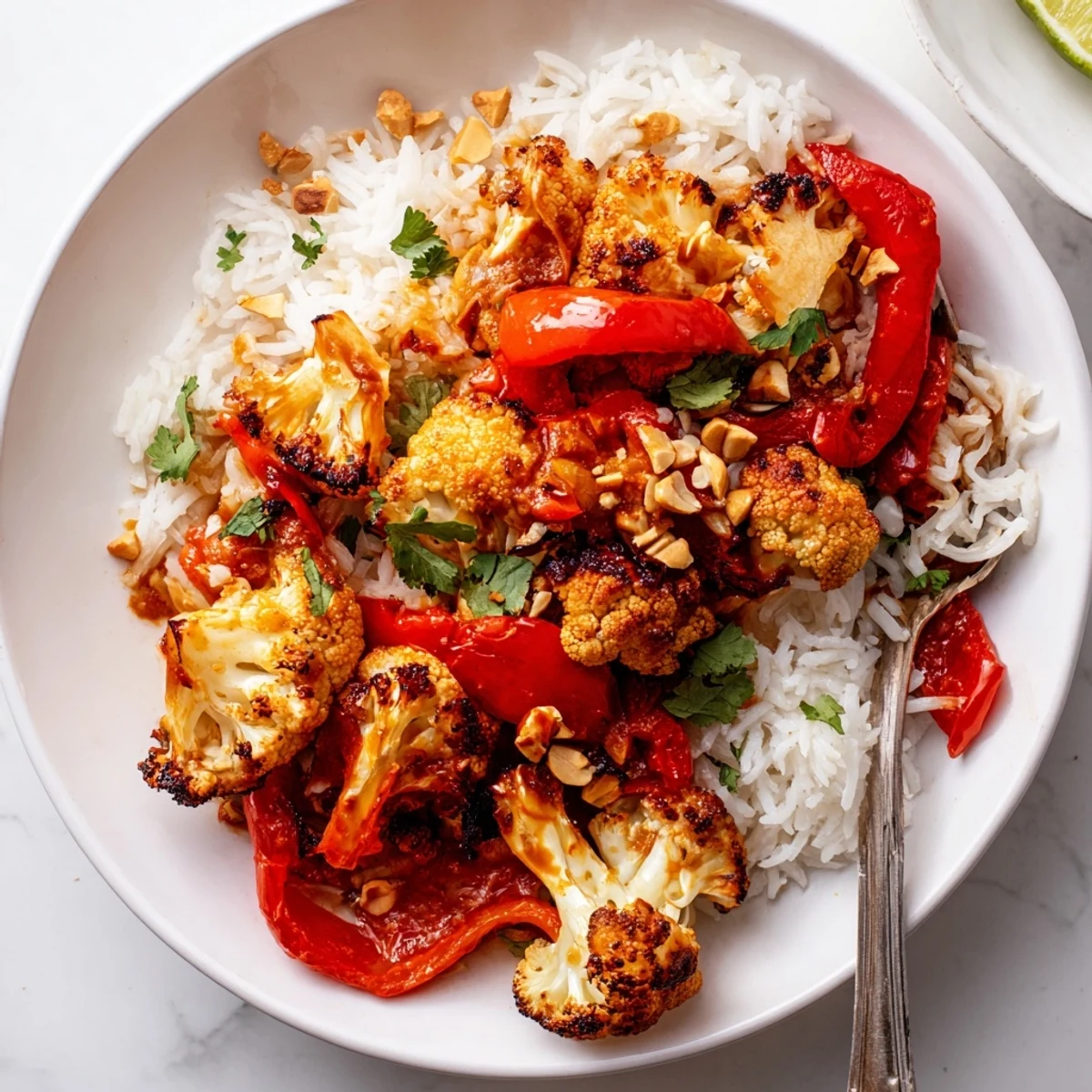
Save The first time my niece tried this, she asked if I'd snuck butter in—never believing that vegetables could taste so rich just from roasting and coconut. Watching her go back for seconds, giggling at her own curry mustache, reminded me how food wins people over in the most joyful, unexpected ways.
Choosing the Right Curry Paste
After experimenting with a few supermarket brands, I found that the simplest ingredient lists make for the brightest flavors. Some pastes run salty or extra fiery, so always give yours a quick taste and adjust caution with a little more coconut milk or a splash of water if needed.
Customizing Your Bowl
When I want to clean out my fridge, I’ve thrown in snap peas, carrots, or chickpeas—almost any veggie plays well with this sauce. For protein, a handful of pan-fried tofu or leftover chickpeas turn it into a weeknight feast.
Making This Dish in Advance
This curry transforms beautifully as leftovers, thickening and deepening in flavor overnight. To revive, simply reheat gently and squeeze in a bit more lime to wake everything up.
- Let the roasted veggies cool before mixing with the sauce to keep them from going soggy.
- If making for meal prep, store rice and curry separately—combine when reheating.
- Garnishes should always go on last-minute for their best crunch and aroma.
 Save
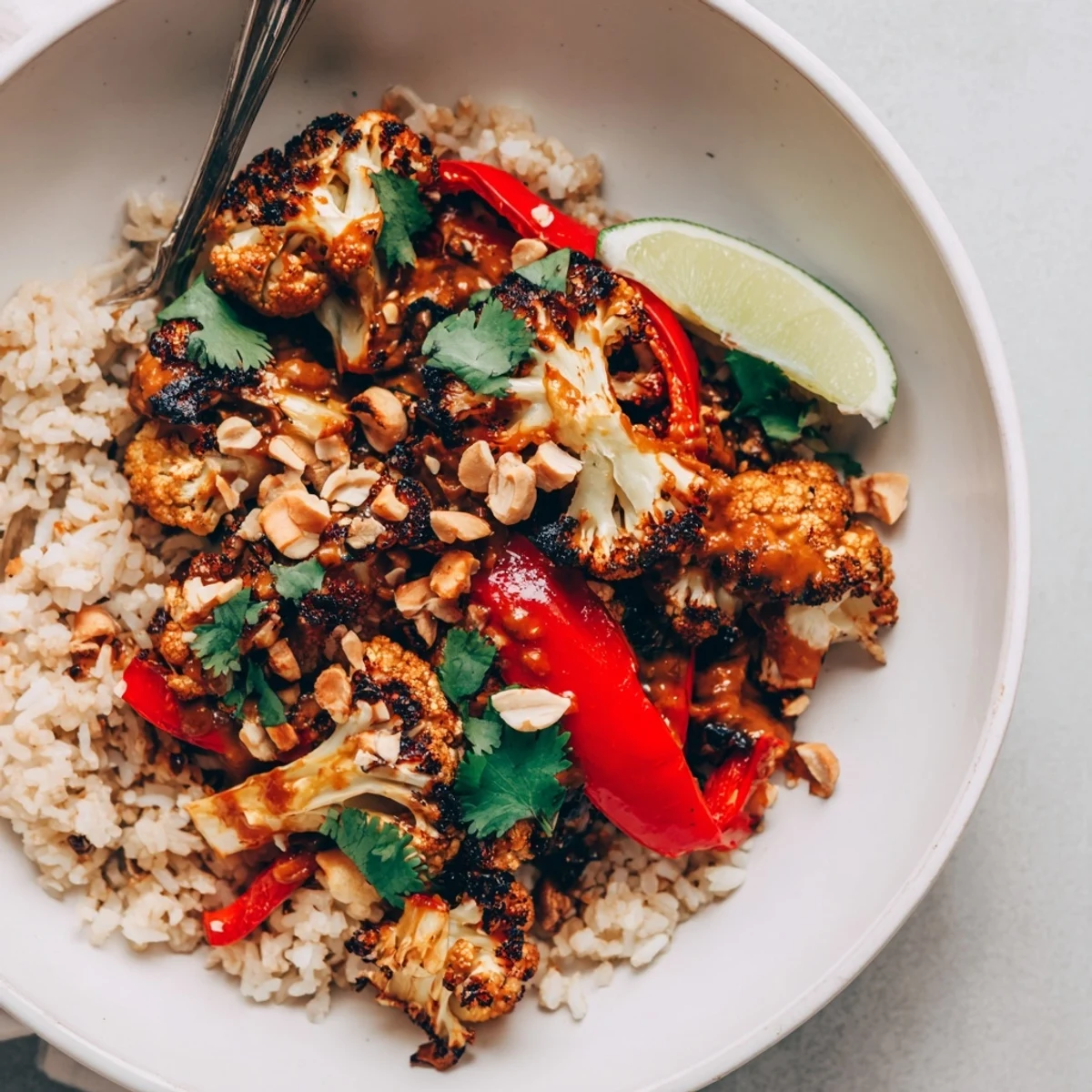
Save This is the meal that always shifts the mood in my kitchen, bringing people to the table with color and comfort. Give it a try—even if you’re not usually a curry fan, you’ll be surprised at how crowd-pleasing this vegetarian bowl can be.
Recipe Q&A
- → How do I keep the cauliflower crisp when roasting?
-
Dry the florets thoroughly, toss with just enough oil and single-layer them on a baking sheet. Roast at high heat (220°C/425°F) and turn once so they brown instead of steaming.
- → How can I control the spice level?
-
Adjust the amount of red curry paste to taste, or add a pinch of chili flakes for heat. To mellow flavors, increase coconut milk or a touch of sugar and finish with lime juice to balance.
- → Which rice works best with this dish?
-
Jasmine gives a fragrant, slightly sticky accompaniment; basmati stays light and fluffy. Rinse rice before cooking and use about 1 part rice to 2 parts water, then let rest before fluffing.
- → How do I add more protein without changing texture?
-
Stir in cooked chickpeas, pan-fried tofu, or seared tempeh near the end of simmering so they absorb sauce flavor without breaking down.
- → What are nut-free alternatives for garnish?
-
Omit cashews and use toasted pumpkin seeds, sesame seeds, or crispy fried shallots for crunch and added flavor while keeping it nut-free.
- → Can I prepare components ahead of time?
-
Yes — roast the vegetables and make the curry sauce up to 2 days ahead, storing separately in airtight containers. Reheat gently, combine with freshly steamed rice and finish with cilantro and lime.