
 Save
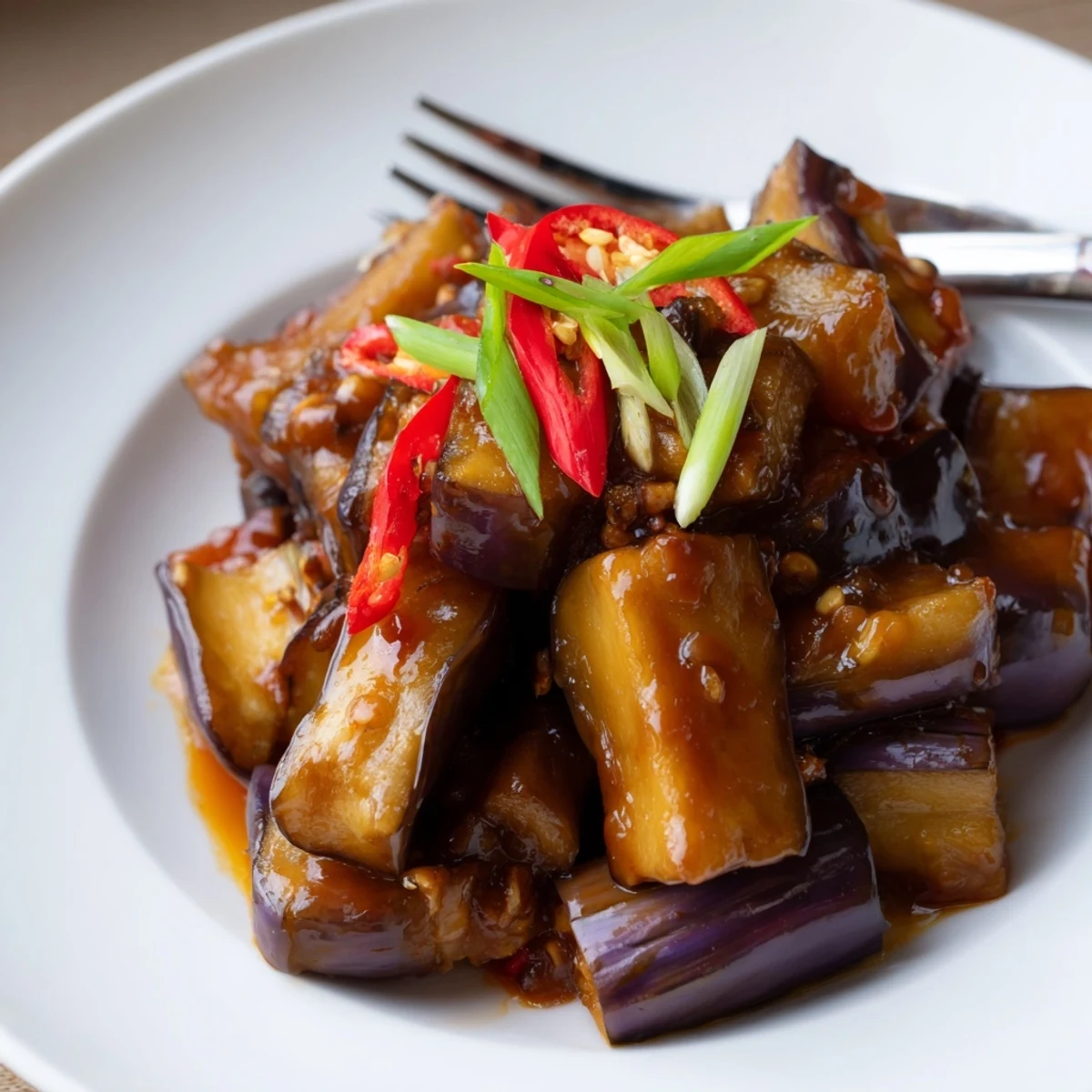
Save Salting aubergine briefly removes moisture, then fry batons until golden and soft. Stir-fry garlic, ginger and doubanjiang to release aroma, return aubergine and add soy, dark soy, rice vinegar, sugar and stock. Simmer low until tender, thicken with cornstarch slurry, finish with sesame oil and spring onions. Serve with steamed rice; add Sichuan peppercorns for numbing heat or peanuts for crunch.
The first time I attempted Sichuan Braised Aubergines, the kitchen filled with an aroma that stopped me mid-knife chop. Rather than an orchestrated affair, I was frantically hunting for chili paste and splashing soy sauce on the counter. As the aubergines sizzled, their hissing and popping were the soundtrack to my trial-and-error approach. Cooking this dish always feels like trying to capture lightning in a pan, and that's exactly why I come back to it.
I remember one night sharing these glossy aubergines at a rickety dinner table, with everyone reaching over for just one more savory bite. Someone declared the sauce 'dangerous'—we ended up scraping the pan with spoons long after the rice was gone. Dishes like this spark lively conversations and split-second chopstick battles. That meal set a new benchmark for weeknight dinners in my house.
Ingredients
- Aubergines (eggplants): Choose ones that feel firm and weighty; salting them first keeps them silky but not soggy in the final dish.
- Spring onions: Add color and a gentle crunch—save some for scattering on top at the end.
- Garlic & Ginger: That hit of fragrance right away tells you this is serious flavor business; mince them fine for even cooking.
- Red chili (optional): Use more or less depending on your mood—my trick is to taste a slice beforehand for heat.
- Doubanjiang: This fermented bean paste brings true Sichuan personality; a little goes a long way for depth and color.
- Soy sauce & Dark soy sauce: Regular soy seasons; dark one adds rich color and a touch of molasses.
- Rice vinegar: Just sharp enough to balance the intense, funky heat.
- Sugar: The teaspoon tip rounds all the edges—don’t skip it.
- Vegetable stock or water: Adds enough moisture to braise without overwhelming the flavor.
- Vegetable oil: Frying first is the secret to meltingly soft aubergines—don’t skimp on the oil if you want the texture right.
- Sesame oil: A fragrant finish that turns the whole dish glossy and nutty.
- Salt: Use sparingly, since the sauces bring plenty of seasoning.
- Cornstarch and water: A quick slurry for that signature shiny sauce cling—mix thoroughly before pouring in.
Instructions
- Prep the Aubergines:
- Sprinkle the batons with salt, let them sweat, then rinse and pat dry for less oil absorption and ultra-soft texture.
- Fry for Flavor:
- In hot oil, cook the aubergines until every side is golden and nearly collapsing; set aside on paper towels to drain off excess oil.
- Stir-Fry the Aromatics:
- With the kitchen starting to smell incredible, cook ginger, garlic, and chili just until their bite disappears—don’t walk away here.
- Build the Spicy Base:
- Stir in doubanjiang and cook until the oil blushes red and the flavor turns deep and savory.
- Sauce & Braise:
- Return aubergines to the pan with soy sauces, vinegar, sugar, and stock; nudge gently so the slices don’t break, then cover and let it all simmer together.
- Finish and Gloss:
- Blend cornstarch with water, swirl it in, then watch the sauce thicken into a luscious, clingy glaze, and finish with sesame oil before scattering spring onions on top.
 Save
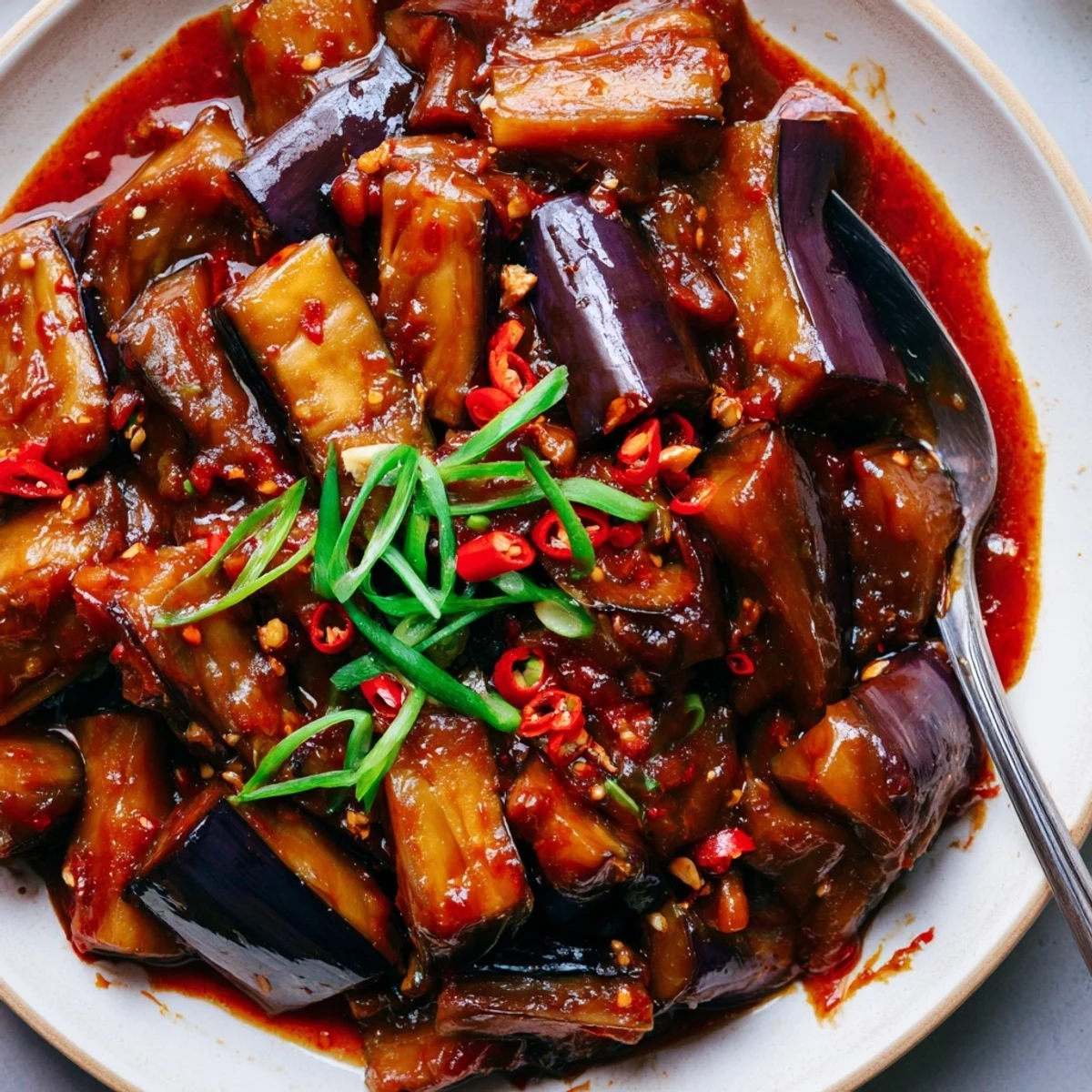
Save The best surprise was when my non-spicy-food-loving friend couldn't stop raving about how the heat was just right and perfectly balanced by the sweetness and tang. That was the evening when this dish jumped from something I cooked for myself to something I *had* to make for friends.
What Makes Aubergines Shine in Sichuan Cooking
I’ve learned that the trick is patience—let them develop a browned skin in hot oil, and don't pile them in or crowd the pan. When you do it right, they become shockingly soft and absorb every drop of spicy, savory sauce. Resist the urge to stir too much, or you'll end up with a mush (tasty, but a different dish entirely!).
Mastering Sichuan Sauces at Home
The first time I used doubanjiang, I realized most of the complexity came from letting it fry in oil until its scent was unmistakable. Tasting the sauce before thickening lets you tweak saltiness or add a pinch more vinegar if needed. Nothing beats the deep red color that tells you the flavors are right where they should be.
Serving Tips & Final Touches
For a casual meal, just ladle everything over hot rice and finish with extra spring onion greens for a pop of color and crunch. Toasted peanuts add texture and make leftovers feel new. If you want extra aroma, a little sprinkle of freshly ground Sichuan peppercorn over the top just before serving is a game changer.
- Always serve this hot for peak sauciness.
- If there’s leftover sauce, save it—it’s delicious over noodles.
- Don’t skip the salt step at the beginning; it makes a big difference to the texture.
 Save
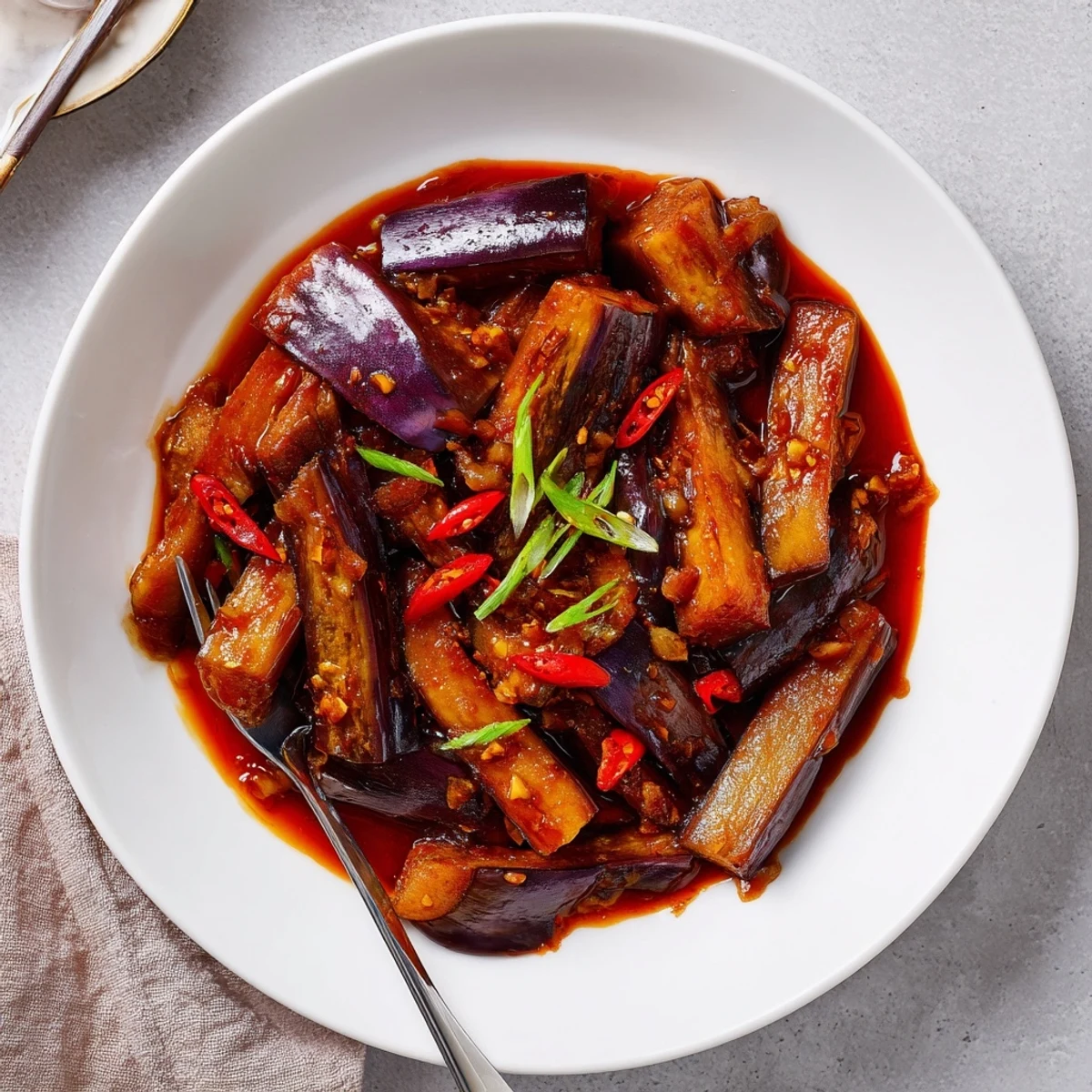
Save No matter how many times I cook this, there’s always a moment when the kitchen feels like a bustling Sichuan night market. Hope you get the same spark of joy (and a little heat) from it too.
Recipe Q&A
- → How can I stop aubergine from absorbing too much oil?
-
Salt the cut aubergine and let it sit for 10 minutes, then rinse and pat dry to draw out moisture. Fry in a hot pan in batches so pieces brown quickly rather than soaking oil. Wiping excess oil from the pan and leaving about a tablespoon helps control richness.
- → Is there a quicker cooking method than frying?
-
Yes—roast aubergine batons at 220°C (425°F) for 18–22 minutes until golden and soft, then toss them into the sauce to simmer briefly. Roasting reduces oil and gives a slightly smokier note while keeping the saucing step intact.
- → What can I use instead of doubanjiang?
-
Use a combination of chili-garlic sauce and a touch of fermented bean paste or miso to mimic depth, or a chili bean paste substitute. Expect a different flavor profile—doubanjiang gives a salty, savory umami that's hard to replicate exactly.
- → How do I control the heat level?
-
Adjust heat by varying doubanjiang amount, omitting the red chili, or removing seeds. For the signature numbing sensation, add a small pinch of toasted Sichuan peppercorns—start small and taste as you go to avoid overpowering the dish.
- → What are the best serving and garnish options?
-
Serve with steamed jasmine rice or noodles to soak up the sauce. Finish with sliced spring onions, a drizzle of sesame oil, and toasted peanuts or sesame seeds for crunch. Fresh coriander can add brightness if desired.
- → How should leftovers be stored and reheated?
-
Cool quickly and refrigerate in an airtight container for up to 3 days. Reheat gently in a skillet over low heat with a splash of water or stock to loosen the sauce; microwave works in a pinch but may soften the aubergine further.