
 Save
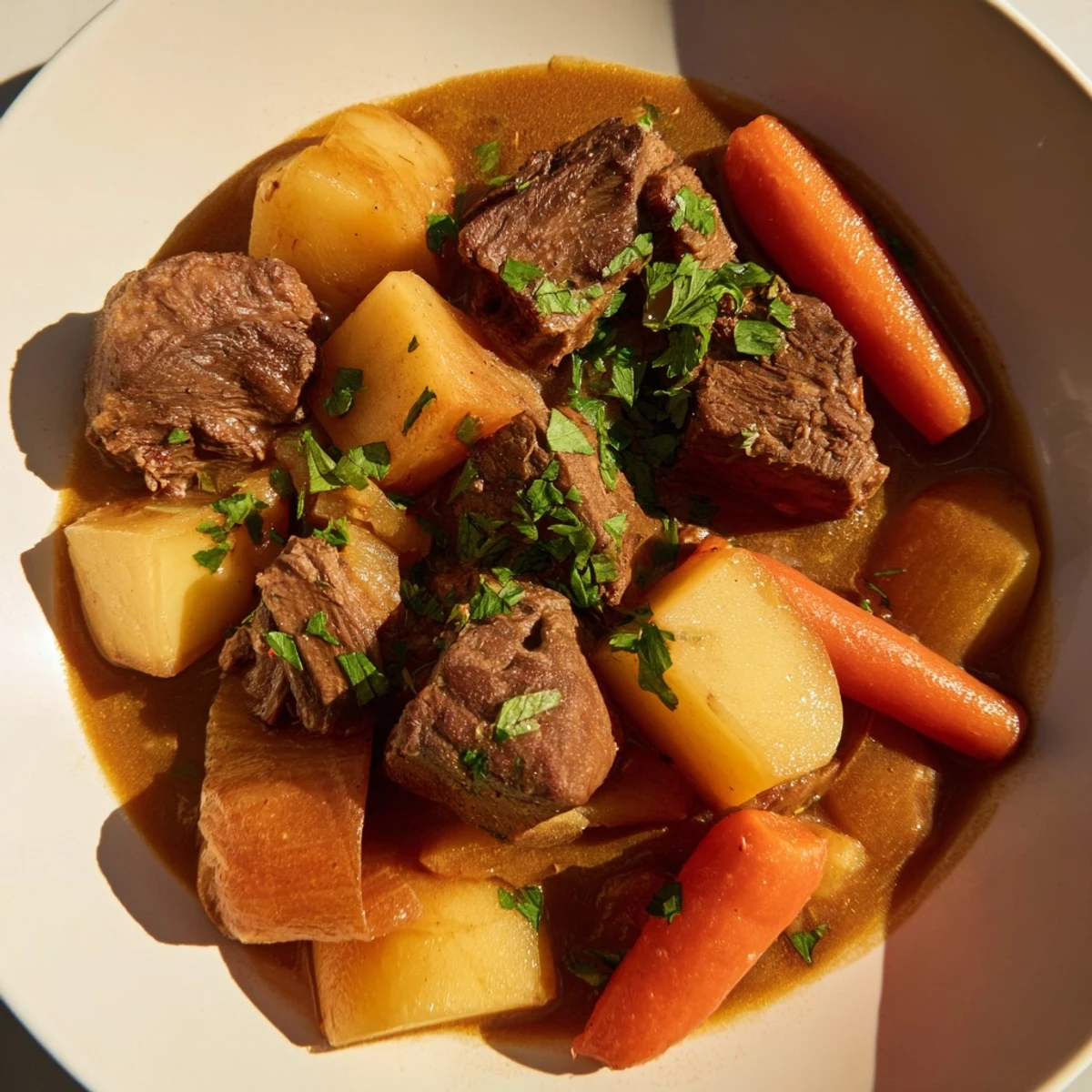
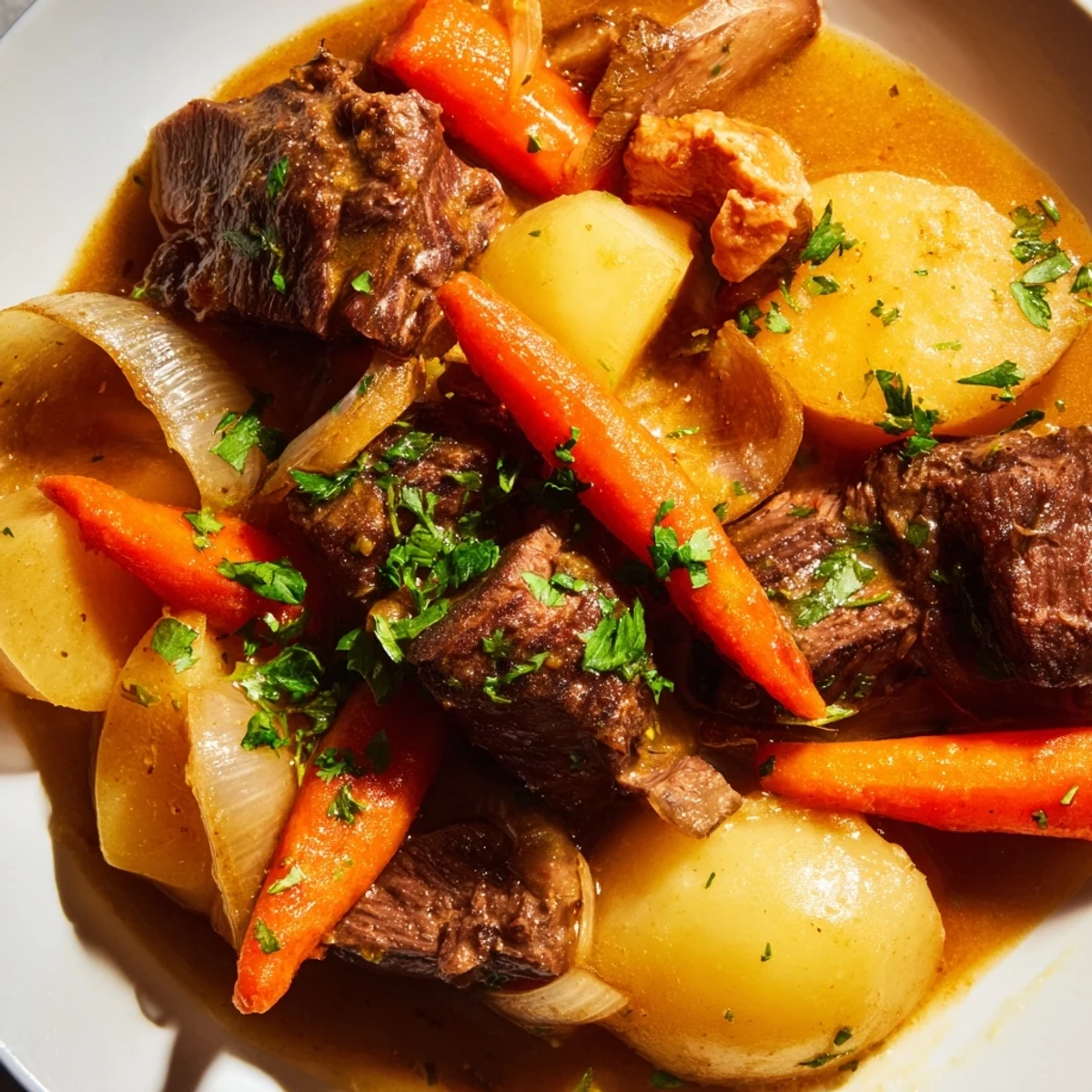
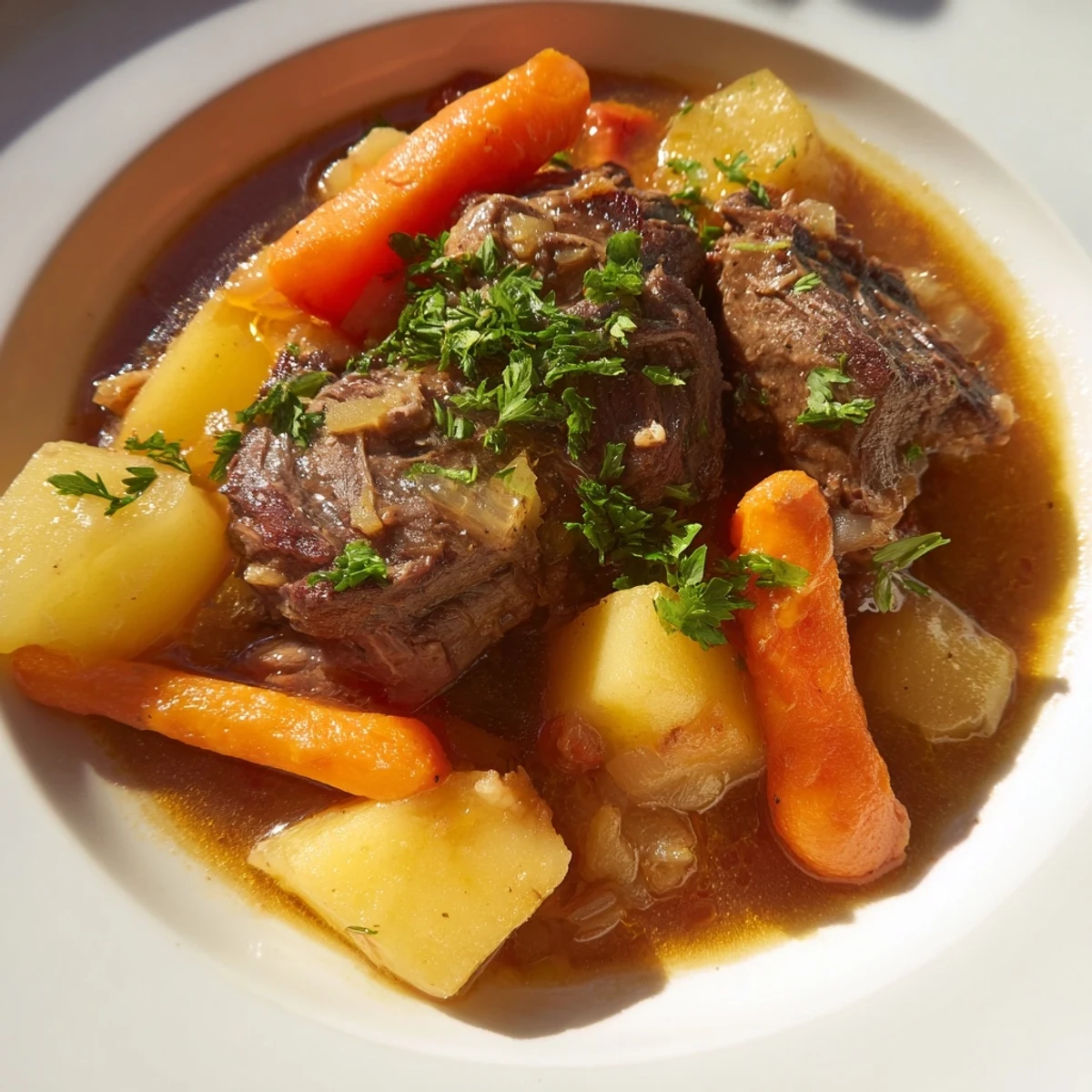
Save This hearty lamb stew combines tender lamb cubes with an array of root vegetables like carrots, parsnips, potatoes, rutabaga, and celery. Cooked slowly in a savory broth enriched with tomato paste, red wine, and fresh herbs, it develops deep, comforting flavors perfect for family dinners. The dish can be customized by swapping vegetables or adjusting seasoning. Serve hot, garnished with parsley for an added fresh touch.
The first time I made this lamb stew was during an unexpectedly brutal February when my ancient radiator decided to quit completely. Standing over a simmering pot became the only way to stay warm, and honestly, I have not looked back since.
My neighbor actually knocked on my door that first winter, convinced I was running some sort of restaurant operation. Now I double the batch just so I can send her home with a container.
Ingredients
- Lamb shoulder: This cut takes time but rewards you with incredible depth and tenderness
- Root vegetables: Carrots, parsnips, potatoes, and rutabaga add sweetness and heartiness
- Tomato paste: Creates a rich, caramelized base when cooked with the aromatics
- Red wine: Use something you would actually drink, it really does matter
- Fresh thyme and bay leaves: The herbal backbone that makes everything taste like home
Instructions
- Prepare the lamb:
- Pat the cubes completely dry with paper towels and season them lightly before they hit the hot oil.
- Sear in batches:
- Heat olive oil in your Dutch oven over medium-high heat and brown the lamb on all sides, working in batches so each piece gets proper contact with the pot.
- Build the base:
- Sauté onion and garlic until fragrant, stir in tomato paste for one minute, then deglaze with red wine while scraping up every precious browned bit.
- Combine and simmer:
- Return lamb to the pot, add all vegetables, pour in stock, add herbs, and bring to a gentle simmer before covering.
- Cook low and slow:
- Simmer on low heat for 1.5 to 2 hours until the lamb yields easily to a fork and vegetables are completely tender.
 Save
Save This stew saved a dinner party once when I completely burned the main course. We sat around the table eating bowl after bowl, and honestly, nobody missed the original plan at all.
Choosing Your Lamb
I have learned that shoulder with good marbling makes all the difference. Ask your butcher to cut it into generous cubes rather than doing it yourself.
Vegetable Secrets
Cutting everything into uniform sizes ensures everything finishes cooking at the same time. The rutabaga takes longest, so keep those pieces slightly smaller.
Make It Ahead
This stew actually tastes better the next day as the flavors continue to develop. I often make it in the morning and reheat gently for dinner.
- Leftovers freeze beautifully for up to three months
- Thaw overnight in the refrigerator before reheating
- Add a splash of water when reheating if the broth has thickened too much
 Save
Save There is something deeply satisfying about a dish that rewards patience so generously. Every bowl feels like a proper hug.
Recipe Q&A
- → How do I ensure the lamb stays tender?
-
Slow simmering the lamb over low heat for 1.5 to 2 hours helps break down connective tissue, resulting in tender, juicy meat.
- → Can I substitute the root vegetables?
-
Yes, vegetables like sweet potatoes, turnips, or leeks can be used to vary flavor and texture while maintaining the stew's heartiness.
- → What type of stock works best?
-
Beef or lamb stock enhances the stew's richness and depth, but ensure the stock is gluten-free if needed.
- → Is it possible to thicken the stew?
-
Yes, mashing a few of the cooked vegetables into the broth creates a thicker, more robust consistency.
- → What herbs complement this dish?
-
Bay leaves and thyme infuse the stew with aromatic, earthy notes that pair beautifully with lamb and root vegetables.