
 Save
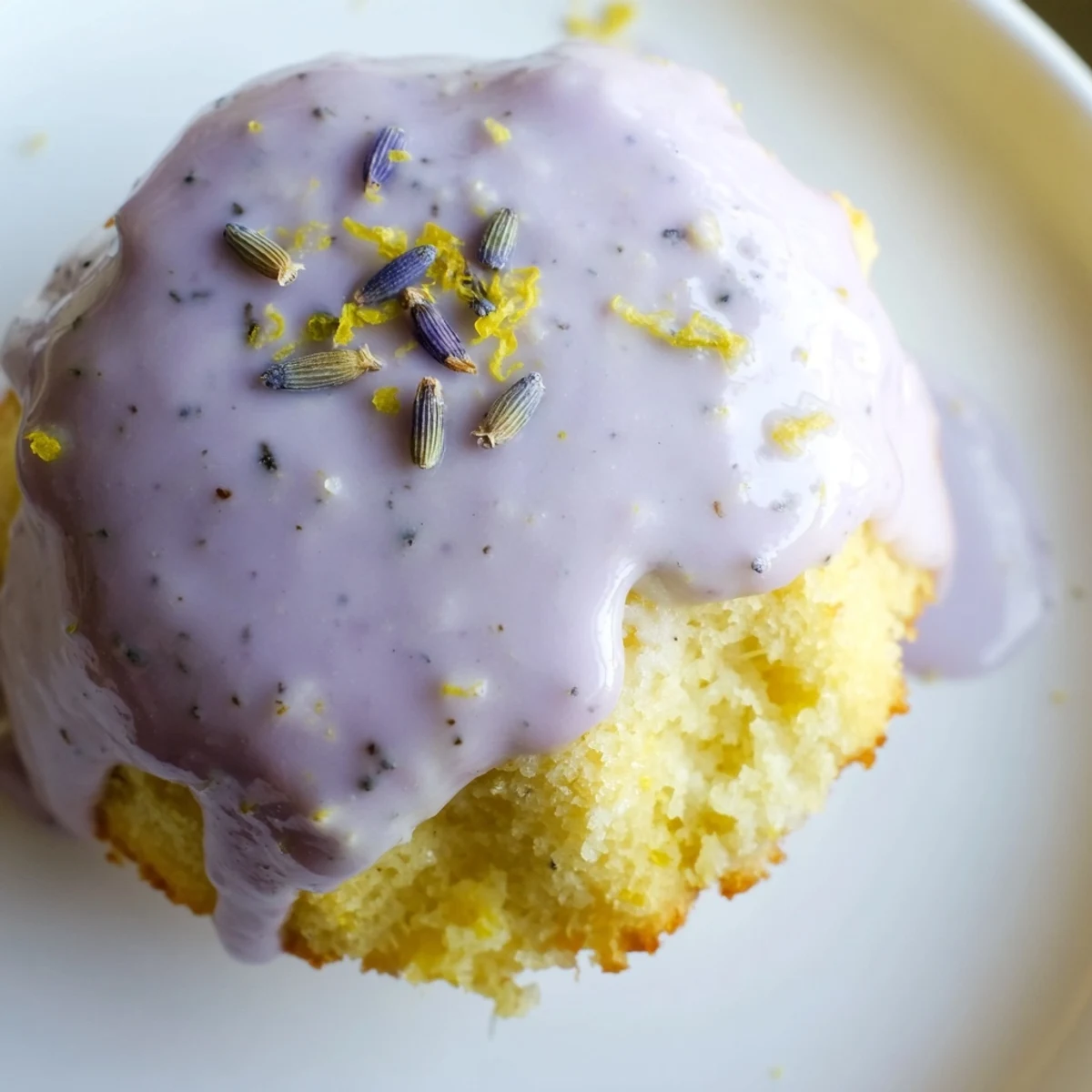
Save These mini lemon cakes deliver a soft, tender crumb brightened with fresh lemon zest and juice. The star of the show is the lavender glaze — powdered sugar blended with finely ground culinary lavender buds and a splash of lemon juice creates a fragrant, pourable topping that sets beautifully. They bake in under 20 minutes in a standard muffin tin, making them surprisingly quick for such an elegant result. The flavor walks a fine line between citrusy and floral, never tipping into soapy territory when you use proper culinary lavender. Store them unglazed for up to two days, then finish with the glaze just before serving alongside hot tea or sparkling wine for a truly special touch.
I bought a tiny bundle of culinary lavender at a farmers market on a rainy Saturday mostly because it smelled like someone had bottled a quiet afternoon. That same evening I folded it into a simple glaze and spooned it over mini lemon cakes, and the whole kitchen filled with something between a garden and a bakery. My roommate walked in and just stood there breathing for a solid ten seconds before asking what kind of sorcery this was.
I made a batch of these for a friend's birthday tea party and watched three people close their eyes on the first bite, which is the most flattering silence a cook can earn. One guest asked if I had a secret ingredient and when I said lavender she looked genuinely startled, then went back for seconds.
Ingredients
- All-purpose flour (130 g): Provides the soft structure these little cakes need, and measuring by weight keeps them consistently tender
- Granulated sugar (100 g): Sweetens just enough to balance the tart lemon without making them cloying
- Unsalted butter (60 g), softened: Room temperature butter is nonnegotiable here since it needs to cream properly with the sugar for that airy crumb
- Large eggs (2): Adds richness and structure, so let them come to room temperature before mixing
- Whole milk (60 ml): Keeps the batter smooth and helps the dry ingredients incorporate without toughening the gluten
- Fresh lemon juice (2 tbsp): Use real juice, not bottled, because the brightness is half the personality of these cakes
- Lemon zest (1 tbsp): This is where the lemon flavor really lives, so zest right down to the colorful part
- Baking powder (1/2 tsp) and baking soda (1/4 tsp): Together they give a gentle lift that makes each mini cake puff up beautifully
- Fine salt (1/4 tsp): A small amount wakes up every other flavor in the bowl
- Vanilla extract (1/2 tsp): Rounds out the lemon and lavender so neither one feels sharp
- Powdered sugar (120 g), sifted: Sifting prevents lumpy glaze and saves you from whisking frustration
- Whole milk for glaze (1 1/2 tbsp): Adjust this drop by drop to get the glaze to that perfect drizzling consistency
- Culinary lavender buds (1/2 tsp), finely ground: Make absolutely sure it is labeled culinary since ornamental lavender can taste soapy and bitter
- Lemon juice for glaze (1 tbsp): Adds a second layer of brightness that cuts through the sweet powdered sugar
Instructions
- Get the oven ready:
- Preheat to 350°F (175°C) and grease every mold of a 12-cavity mini cake pan or muffin tin with butter or nonstick spray. This small step saves you from the heartbreak of stuck cakes later.
- Cream the butter and sugar:
- Beat the softened butter and granulated sugar together until the mixture turns pale and fluffy, about 2 to 3 minutes with an electric mixer. You should see it lighten in color noticeably before moving on.
- Add the wet ingredients:
- Drop in the eggs one at a time, mixing until each is fully incorporated before adding the next. Then stir in the lemon zest, lemon juice, and vanilla extract until everything is evenly combined.
- Whisk the dry ingredients:
- In a separate bowl, combine the flour, baking powder, baking soda, and salt with a whisk to distribute the leavening evenly.
- Bring the batter together:
- Add the dry ingredients and milk in alternating additions, starting and ending with the flour mixture. Stop mixing the instant you see no more dry streaks, because overmixing is the fastest way to dense mini cakes.
- Fill and bake:
- Divide the batter among the prepared molds, filling each about three-quarters full. Bake for 16 to 18 minutes until a toothpick comes out clean and the tops are lightly golden.
- Cool completely:
- Let the cakes rest in the pan for 5 minutes, then move them to a wire rack. The glaze will slide right off if the cakes are even slightly warm, so patience here actually matters.
- Make the lavender glaze:
- Whisk together the sifted powdered sugar, milk, ground lavender, and lemon juice until smooth and thick but still pourable. Add milk a tiny splash at a time if it seems too stiff.
- Glaze and garnish:
- Spoon or drizzle the glaze over each fully cooled mini cake, letting it drip down the edges naturally. Scatter a few extra lavender buds or a pinch of lemon zest on top if you want them to look as special as they taste.
 Save
Save My mother-in-law, who is famously hard to impress with desserts, ate two of these at a Sunday brunch and then quietly asked for the recipe on a napkin. I consider that the highest review any baked good has ever received in my kitchen.
Getting the Lavender Balance Right
Ground lavender is potent, and I learned the hard way that even an extra quarter teaspoon pushes these from fragrant into soapy territory. Start with the measured half teaspoon, taste the glaze, and only add more if it barely registers on your palate.
Making These Ahead
The cake portion stores beautifully unglazed in an airtight container for up to two days, which means you can bake them the night before a gathering and glaze them right before serving. The glaze also keeps in the fridge in a sealed jar, though you may need to whisk in a few drops of milk to loosen it up again.
Serving Suggestions That Elevate the Experience
These mini cakes shine brightest alongside a pot of Earl Grey or a delicate green tea, where the floral notes in both the drink and the glaze echo each other nicely. A glass of prosecco or sparkling wine also works surprisingly well for a more celebratory moment.
- Arrange them on a tiered stand for an instant afternoon tea aesthetic
- A small dollop of clotted cream on the side adds a luxurious contrast to the bright glaze
- Serve them within an hour of glazing for the best texture and presentation
 Save
Save There is something quietly magical about a dessert this small that still manages to feel like a real occasion. I hope these find their way to your table on a day that could use a little extra beauty.
Recipe Q&A
- → What kind of lavender should I use for the glaze?
-
Use culinary-grade lavender buds, which are specifically grown and processed for consumption. Avoid craft or potpourri lavender, as it may contain pesticides or additives not safe for eating.
- → Can I make the batter ahead of time?
-
It's best to bake the batter right after mixing, as the leavening agents begin working immediately. However, you can bake the cakes fully, store them unglazed in an airtight container for up to two days, and add the glaze when ready to serve.
- → How do I avoid the glaze tasting soapy?
-
The key is using a light hand with lavender — half a teaspoon of ground buds is enough for 12 mini cakes. Start with less and taste the glaze before adding more. Proper culinary lavender has a sweet, floral profile rather than a harsh soapy one.
- → Can I use a regular muffin tin if I don't have a mini cake pan?
-
Yes, a standard muffin tin works well. You'll get fewer cakes (about 6) with a taller shape, so adjust the baking time to roughly 20–22 minutes and check with a toothpick for doneness.
- → What pairs well with these mini cakes?
-
A cup of Earl Grey or chamomile tea complements the floral notes beautifully. For something celebratory, a glass of prosecco or sparkling wine makes an excellent pairing for afternoon gatherings.
- → How can I intensify the lavender flavor?
-
Warm the milk for the glaze with lavender buds, let it steep for 10–15 minutes, then strain before mixing with the powdered sugar. This infusion method extracts far more flavor than simply grinding the buds into the glaze.