
 Save
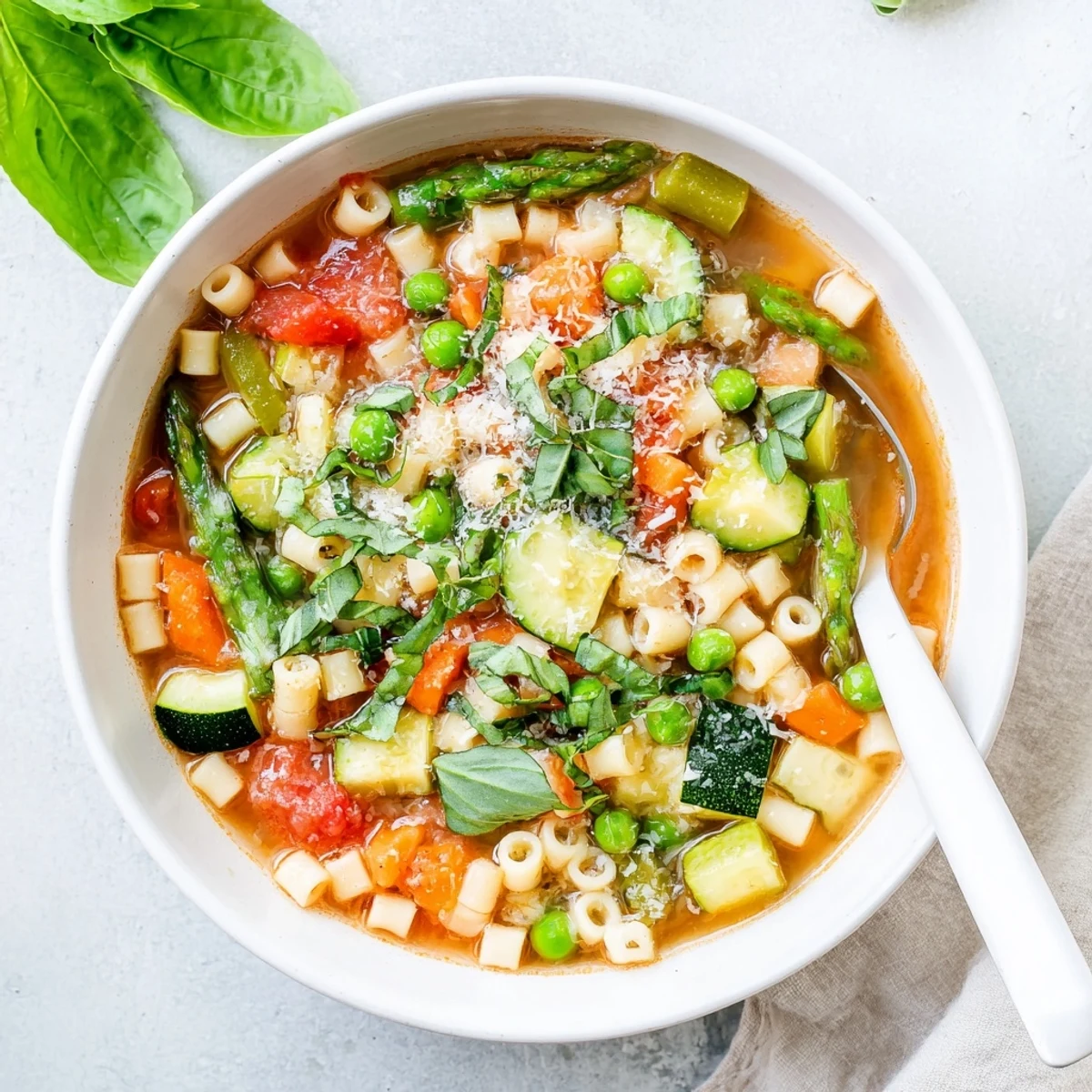
Save This spring minestrone celebrates the season's best vegetables in a light, comforting bowl. Tender asparagus, sweet peas, diced zucchini, and carrots simmer alongside small pasta in a savory vegetable broth base. Aromatic herbs like thyme and basil deepen the flavor, while fresh spinach wilts in at the end for added color and nutrition. The finishing touch of bright lemon juice and fresh basil elevates every spoonful.
What makes this version special is its focus on early spring produce rather than the traditional hearty winter vegetables. The result is a soup that feels substantial yet refreshing—perfect for those transitional days when winter fades but warmth hasn't fully arrived. Ready in under an hour, it's an ideal weeknight meal that improves overnight as the flavors meld together.
The first time I made spring minestrone, I had just returned from the farmers market with an embarrassingly large bag of vegetables I couldn't possibly finish before they wilted. That's the beautiful secret about this soup though—it's actually designed to solve that exact problem. Now I look forward to that moment each spring when the market tables start overflowing with tender green things.
Last April my friend Sarah came over for what was supposed to be a quick lunch, but we ended up lingering over bowls of this soup for two hours. The way the sunlight hit our bowls made all those bright green vegetables look almost too pretty to eat. She asked for the recipe before she even finished her first serving.
Ingredients
- 1 tablespoon olive oil: This creates the aromatic foundation that leeks and garlic need to bloom properly
- 1 medium leek, thinly sliced: Leeks offer a sweeter, more delicate onion flavor that perfectly complements spring vegetables
- 2 garlic cloves, minced: Fresh garlic transforms in the oil first, releasing its essential oils
- 2 medium carrots, diced: They add natural sweetness and maintain a pleasant bite even after simmering
- 1 medium zucchini, diced: Choose smaller zucchinis for tender flesh and fewer seeds
- 1 cup asparagus, trimmed and cut into pieces: Snap the ends where they naturally break to avoid any woody texture
- 1 cup fresh or frozen peas: Frozen work beautifully here, but fresh peas make it exceptionally special
- 1 cup baby spinach leaves: Added at the very end to preserve their vibrant color and delicate texture
- 5 cups vegetable broth: Low sodium lets you control the seasoning completely
- 1 can diced tomatoes, drained: Draining prevents the soup from becoming too acidic or watery
- 2/3 cup small pasta: Tiny shapes like ditalini or shells cook evenly and fit perfectly on your spoon
- 1 teaspoon dried thyme and basil: Dried herbs need time in the liquid to fully rehydrate and release flavor
- Salt and black pepper: Season gradually throughout cooking, adding more at the end
- 2 tablespoons fresh parsley, chopped: Adds a bright, fresh herbal note that complements the delicate vegetables
- 2 tablespoons fresh basil, thinly sliced: Slice rather than chop to prevent bruising and preserve the beautiful green ribbons
- Juice of 1/2 lemon: This final touch brightens all the flavors and makes everything pop
- Optional garnishes: Grated Parmesan and extra virgin olive oil add luxurious finishing touches
Instructions
- Build the aromatic base:
- Heat olive oil in your largest pot over medium heat, then add the sliced leeks and cook for about 3 minutes, stirring occasionally until they're completely softened and translucent.
- Add the garlic and carrots:
- Stir in the minced garlic and cook for just 1 minute until fragrant, then add the diced carrots and let them cook for 2 minutes to begin softening.
- Add the remaining vegetables:
- Toss in the zucchini, asparagus pieces, and peas, cooking for another 2 minutes to coat everything in the aromatic oils before adding liquid.
- Create the soup base:
- Pour in the vegetable broth and drained diced tomatoes, increase the heat to bring everything to a gentle boil, and watch the broth begin to take on a beautiful rosy hue.
- Cook the pasta:
- Add the small pasta, dried thyme, and dried basil, then reduce heat to a simmer and cook uncovered for 8 to 10 minutes until the pasta is al dente and vegetables are tender.
- Finish with fresh greens:
- Stir in the baby spinach, fresh parsley, fresh basil, and lemon juice, cooking for just 1 to 2 minutes until the spinach has completely wilted.
- Season and serve:
- Taste the soup and season generously with salt and pepper, then ladle into bowls and finish with grated Parmesan and a drizzle of your best olive oil.
 Save
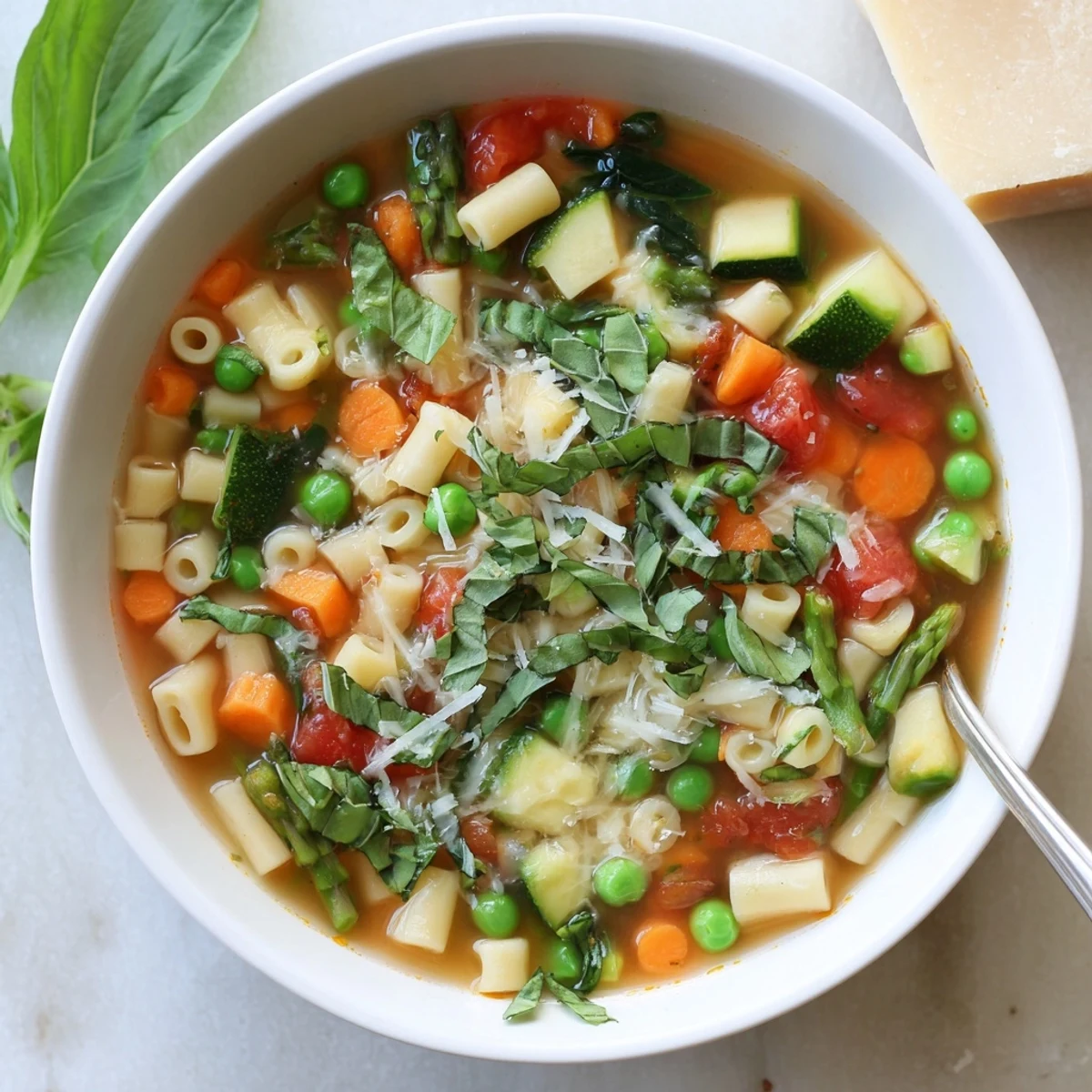
Save This recipe has become my go to when friends need bringing back to center somehow. There's something about all those green vegetables swimming in a fragrant broth that feels like being hugged from the inside out.
Make It Your Own
Spring vegetables are wonderfully interchangeable, so feel free to swap in whatever looks best at your market. Green beans, fava beans, or even artichoke hearts would all feel right at home in this soup.
Perfect Pairings
A crisp white wine and crusty bread turn this into a proper meal. The bread is essential for soaking up every last drop of that flavorful broth.
Storage and Meal Prep
This soup keeps beautifully in the refrigerator for up to 3 days, making it excellent for meal prep. The flavors actually deepen and develop overnight.
- Cook pasta separately if you plan to freeze portions
- Add a splash of fresh broth when reheating
- Hold the Parmesan until just before serving
 Save
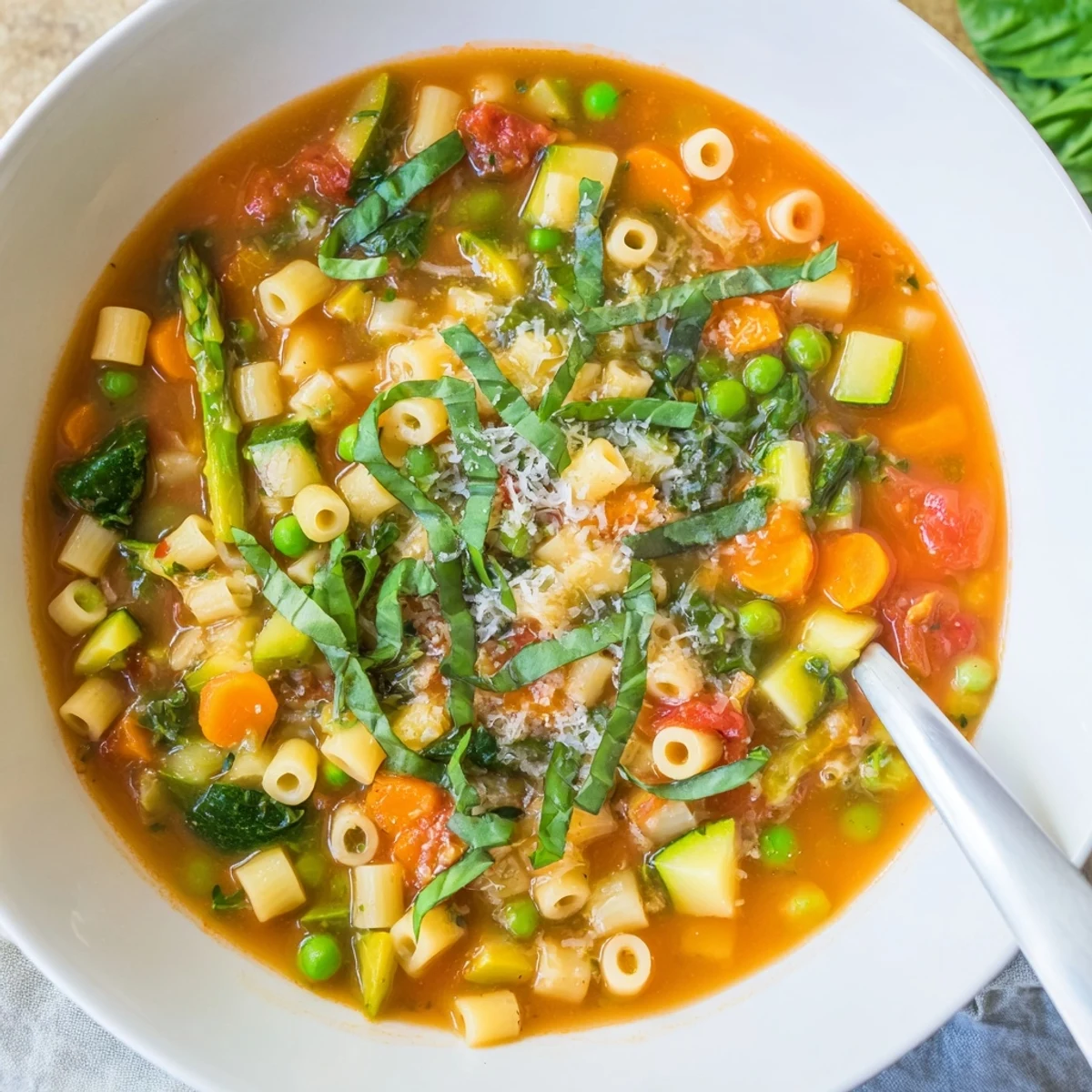
Save There's nothing quite like a pot of soup on the stove to make a house feel like home, even in the middle of spring.
Recipe Q&A
- → Can I make this soup gluten-free?
-
Absolutely. Simply substitute the regular pasta with your favorite gluten-free pasta variety. Shapes like ditalini, small shells, or even rice-based macaroni work beautifully. Keep in mind that gluten-free pasta may cook slightly faster, so check for doneness a minute or two earlier than the recipe suggests.
- → How do I store leftovers?
-
Store cooled soup in an airtight container in the refrigerator for up to 3 days. The pasta will continue absorbing liquid as it sits, so you may need to thin it with extra vegetable broth when reheating. This dish also freezes well for up to 3 months, though the pasta texture may soften slightly after thawing.
- → What other vegetables can I use?
-
This soup is incredibly adaptable. Try swapping in green beans, fava beans, artichoke hearts, or even early spring peas still in their pods. Fresh spinach can be replaced with arugula for a peppery bite or kale for heartier greens. The key is using vegetables that cook quickly and maintain their texture.
- → Can I make this without cheese?
-
Yes, the soup is completely delicious without Parmesan. The vegetable broth, herbs, and fresh lemon juice provide plenty of flavor on their own. If you miss the savory depth, try adding a pinch of nutritional yeast or a drizzle of high-quality extra virgin olive oil just before serving.
- → Why add lemon juice at the end?
-
Lemon juice brightens the entire dish, lifting the earthy flavors of the vegetables and herbs. Added at the very end, it preserves its fresh acidity and prevents the lemon flavor from cooking away. It's a simple step that makes a noticeable difference in the soup's overall vibrancy.
- → What type of pasta works best?
-
Small shapes that won't overpower the vegetables are ideal. Ditalini, small shells, orzo, or even broken spaghetti pieces work wonderfully. The pasta should be small enough to fit on a spoon with the vegetables but substantial enough to add satisfying chew to every bite.