
 Save
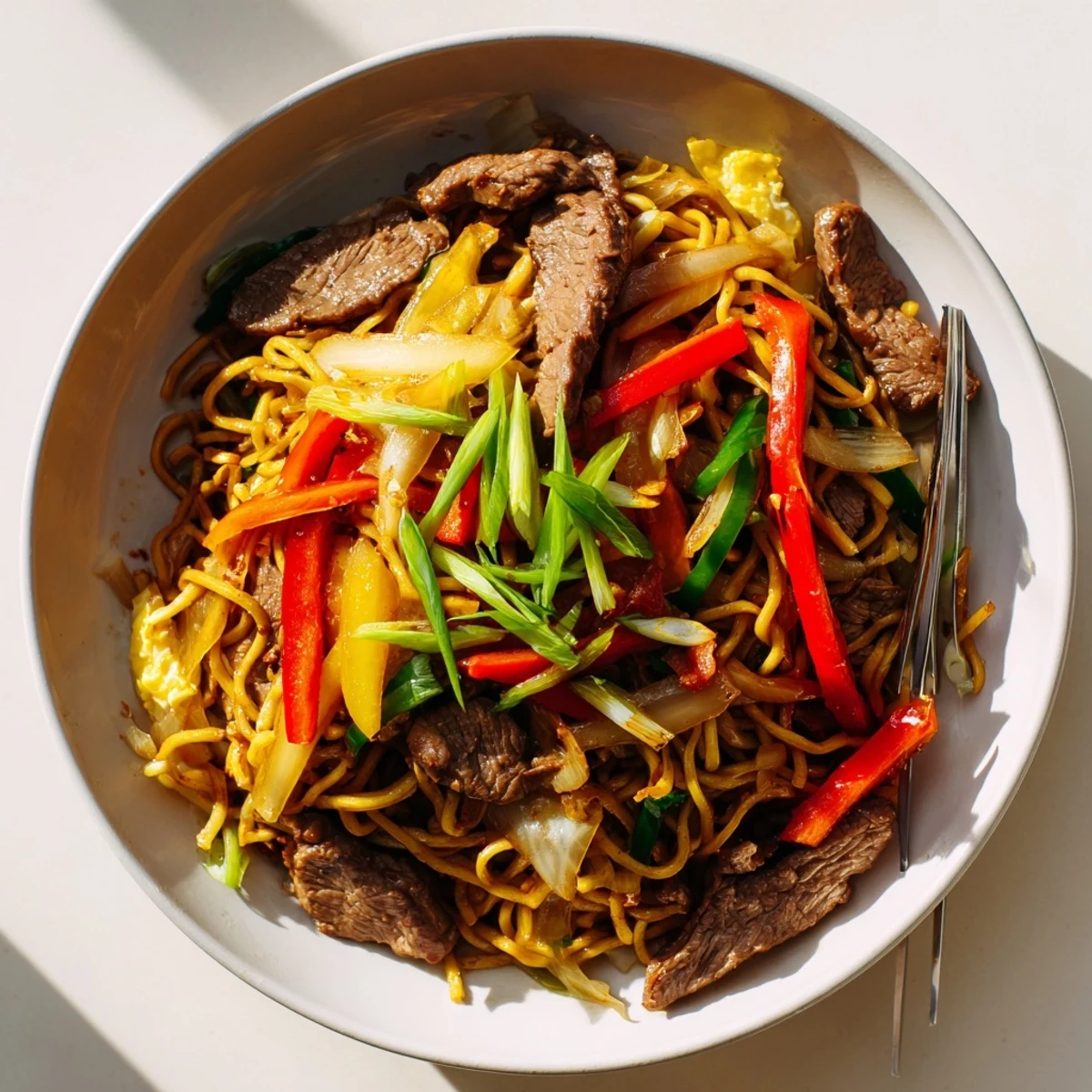
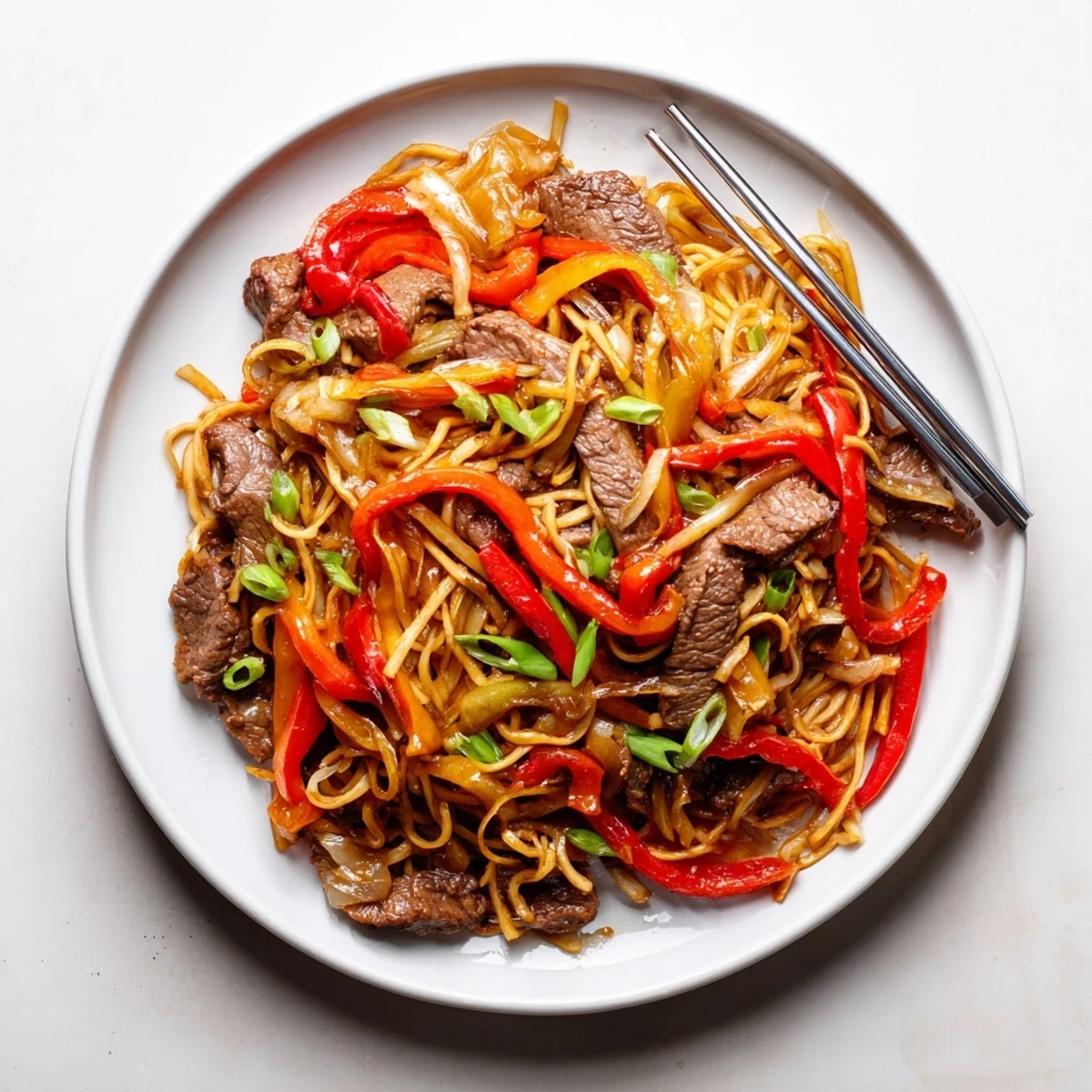
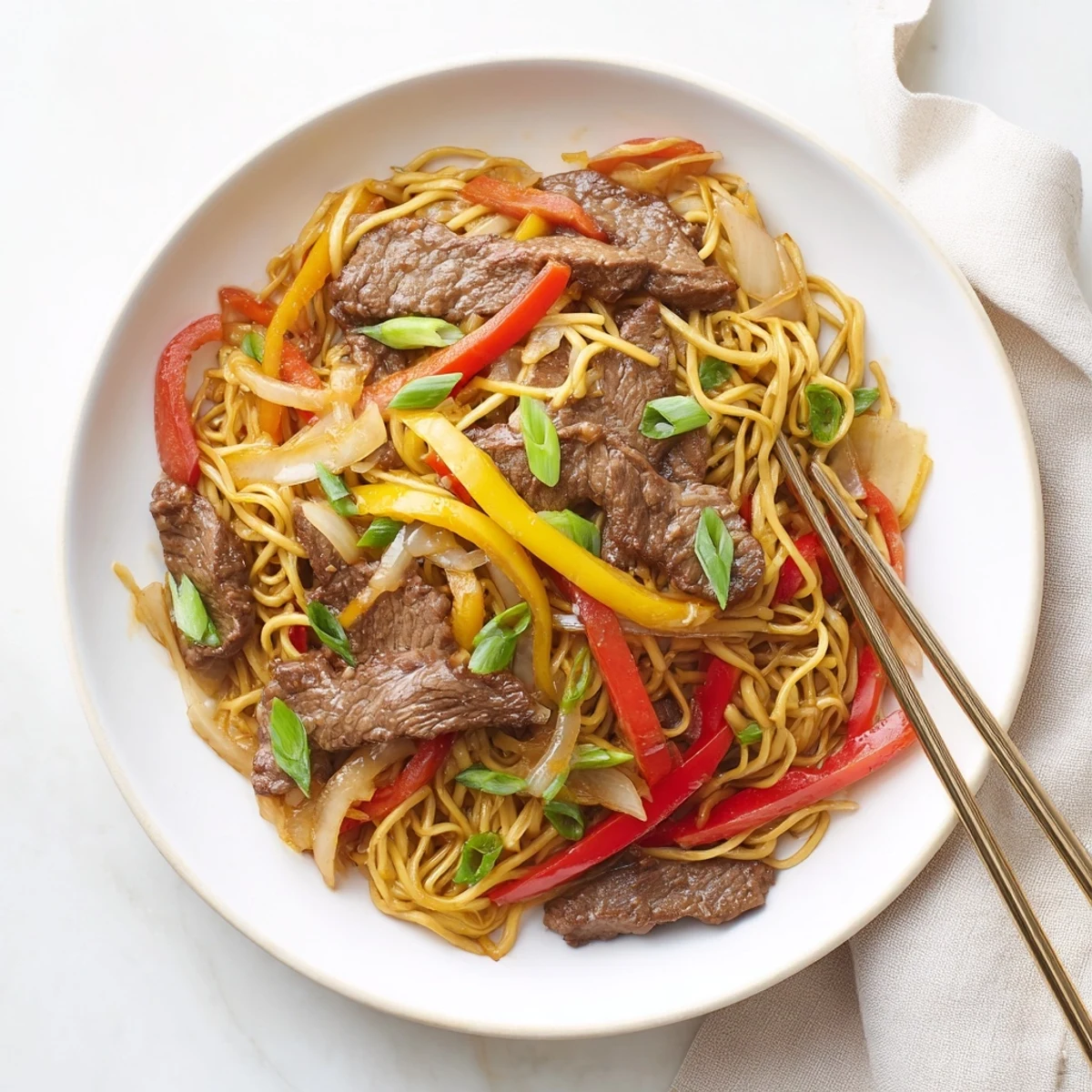
Save This vibrant Chinese-style dish brings together thinly sliced beef sirloin, crisp red and yellow bell peppers, and aromatic onions in a savory sauce. The tender noodles absorb the rich flavors of soy, oyster, and hoisin sauces, while fresh ginger and garlic add authentic depth. Perfect for busy weeknights, this colorful stir-fry comes together in just 35 minutes and serves four hungry people.
The sizzle of beef hitting a screaming hot wok is one of those sounds that makes everyone in the house wander into the kitchen asking when dinner will be ready. My neighbor taught me this dish on a rainy Tuesday when I had leftover sirloin and zero ideas. What started as a casual weeknight throw together became the meal my family requests every time we need something fast and satisfying.
I once made this for a friend who swore she hated bell peppers, and she went back for seconds before I even sat down to eat. There is something about the way the peppers soften just slightly in the sauce that changes their entire personality.
Ingredients
- 350 g beef sirloin: Slice it thinly against the grain while it is still slightly firm from the fridge for the most tender bites.
- 2 bell peppers (red and yellow): Two colors are not just pretty, they each bring a slightly different sweetness that makes the dish more interesting.
- 1 large onion: A regular yellow onion works great, but red onion adds a lovely purple tinge to the finished plate.
- 2 spring onions: Save these for garnish so they stay bright and add a fresh bite at the end.
- 2 cloves garlic: Fresh minced garlic is nonnegotiable here, the jarred version loses too much punch in a stir fry.
- 1 thumb sized piece ginger: Julienned ginger gives little pops of warmth throughout the noodles without overpowering anything.
- 300 g chow mein noodles: Egg noodles work as a backup, but the slightly chewy texture of proper chow mein noodles really makes this dish sing.
- 3 tbsp soy sauce: This is the backbone of your sauce, so use a decent quality one you actually enjoy the taste of on its own.
- 1 tbsp oyster sauce: It adds a deep umami richness that ties everything together in a way nothing else can replicate.
- 1 tbsp hoisin sauce: Just a spoonful brings a gentle sweetness and complexity that rounds out the savory notes.
- 1 tbsp sesame oil: Added to the sauce rather than the pan so its toasty fragrance survives the cooking process.
- 1 tsp cornstarch plus 1 tbsp water: This simple slurry thickens the sauce just enough to cling to every noodle instead of pooling at the bottom.
- 1/2 tsp black pepper: Freshly cracked makes a real difference here since there are so few seasonings and each one counts.
- 1/2 tsp sugar: A tiny amount balances the saltiness of the soy and oyster sauces without making anything taste sweet.
- 2 tbsp vegetable oil: Divided between the beef and the vegetables so nothing sticks and everything gets a proper sear.
Instructions
- Whisk your sauce first:
- Combine soy sauce, oyster sauce, hoisin, sesame oil, black pepper, sugar, cornstarch, and water in a small bowl and stir until the cornstarch completely disappears. Give it one more stir right before you need it because the starch likes to settle.
- Cook the noodles:
- Follow the package directions, then drain and rinse immediately with cold water to stop them from cooking further and turning gummy. Toss them with a drop of oil if they will be sitting for a few minutes.
- Sear the beef:
- Heat one tablespoon of oil in your wok over the highest heat your stove allows, then spread the beef in a single layer and let it sit without stirring for about 30 seconds so it actually browns. Toss quickly for another minute until just cooked through, then scoop it out onto a plate.
- Build the aromatics:
- Add the remaining oil to the same wok and toss in the garlic, ginger, and sliced onion, stirring constantly for about a minute until your kitchen smells incredible. Keep everything moving so the garlic does not catch and turn bitter.
- Add the peppers:
- Toss in the bell pepper slices and stir fry for two to three minutes, aiming for tender with a slight crunch still left in them. You want them to have some structure left because they will soften a bit more when the sauce goes in.
- Bring it all together:
- Slide the beef back into the wok, add the noodles, and pour the sauce over everything, then use tongs to toss aggressively for two to three minutes. Keep going until every noodle is glossy and coated and the sauce has thickened into a shiny glaze.
- Finish and serve:
- Scatter the sliced spring onions over the top and give one final toss before bringing the wok straight to the table. This dish waits for no one, so call everyone to eat immediately.
 Save
Save There was a night I dropped the entire bowl of sauce right before pouring it in and managed to scrape most of it off the counter into the wok anyway. Nobody noticed, and we still talk about how that was the best batch I ever made.
Making It Your Own
This recipe is endlessly adaptable once you have the sauce and noodle ratio locked in. Swap the beef for thinly sliced chicken thigh, firm tofu, or large shrimp, adjusting the cooking time to match whatever protein you choose.
What to Serve Alongside
A cold lager or a pot of jasmine tea are both perfect companions depending on the mood and the weather. Sometimes I add a simple cucumber salad with rice vinegar on the side for something cool and crunchy to contrast the rich noodles.
Storing and Reheating
Leftovers keep well in the fridge for up to three days and reheat beautifully in a hot skillet with a splash of water. The noodles will absorb more sauce as they sit, so do not be surprised if they taste even better the next day.
- Add a tablespoon of water when reheating so the noodles do not dry out or stick to the pan.
- Do not microwave if you can help it, a hot skillet brings back the texture much better.
- Store the spring onion garnish separately if you have any left so it stays fresh and green.
 Save
Save Keep your wok hot, your knife sharp, and your sauce ready, and this dish will never let you down on a busy night. It is the kind of recipe that makes you feel like a better cook than you probably think you are.
Recipe Q&A
- → What cut of beef works best for chow mein?
-
Beef sirloin is ideal for its tenderness and quick cooking time. Flank steak or ribeye also work beautifully when sliced thinly against the grain.
- → Can I make chow mein ahead of time?
-
Yes! Prepare the sauce and slice vegetables in advance. Cook everything just before serving for the best texture and flavor.
- → How do I prevent noodles from sticking together?
-
Rinse cooked noodles with cold water immediately after draining and toss with a small amount of oil. This keeps them separate for stir-frying.
- → What vegetables can I add to customize this dish?
-
Snow peas, bean sprouts, shredded carrots, or bok choy make excellent additions. Add harder vegetables first and delicate ones last.
- → Is there a substitute for oyster sauce?
-
Vegetarian mushroom sauce works well, or mix hoisin with a splash of soy sauce for similar umami depth without shellfish ingredients.
- → How spicy is this dish?
-
This version is mild with no added heat. Add fresh chili slices, chili paste, or red pepper flakes if you prefer some spice.