
 Save
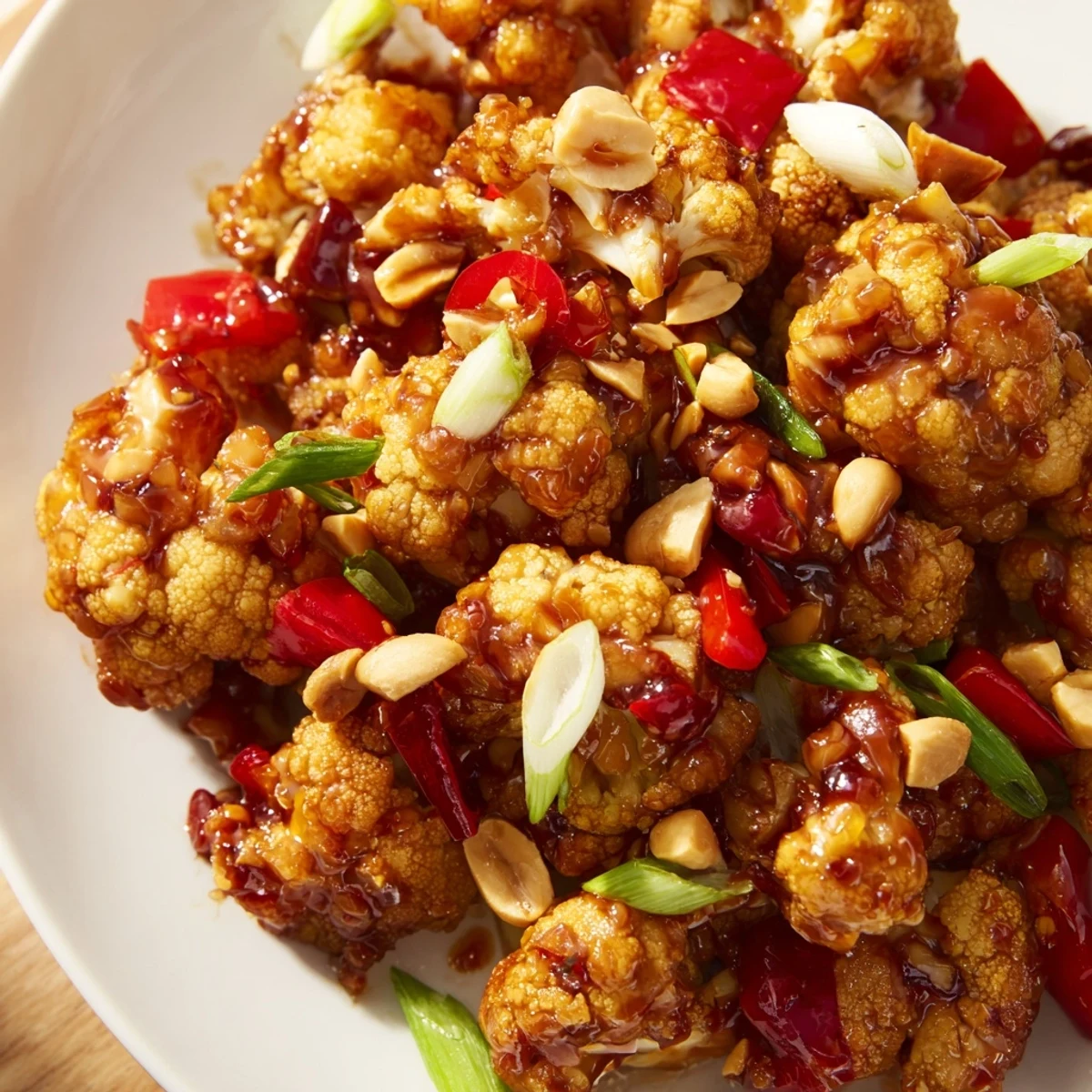
Save This vibrant dish transforms humble cauliflower into a crispy, golden delight coated in the classic Kung Pao sauce. The florets are roasted until perfectly crisp-tender, then tossed in a tangy, sweet, and spicy glaze with aromatic garlic, ginger, and toasted dried chilies. Crunchy roasted peanuts add texture while fresh bell pepper and green onions bring brightness to every bite. The entire dish comes together in under an hour, making it perfect for weeknight dinners when you're craving bold Chinese flavors without the meat.
The first time I made Kung Pao anything, I accidentally set off my smoke alarm and ended up ordering takeout instead. But this cauliflower version changed everything—it is impossible to mess up and delivers that perfect punch of sweet, spicy, and nutty that takeout somehow never quite gets right.
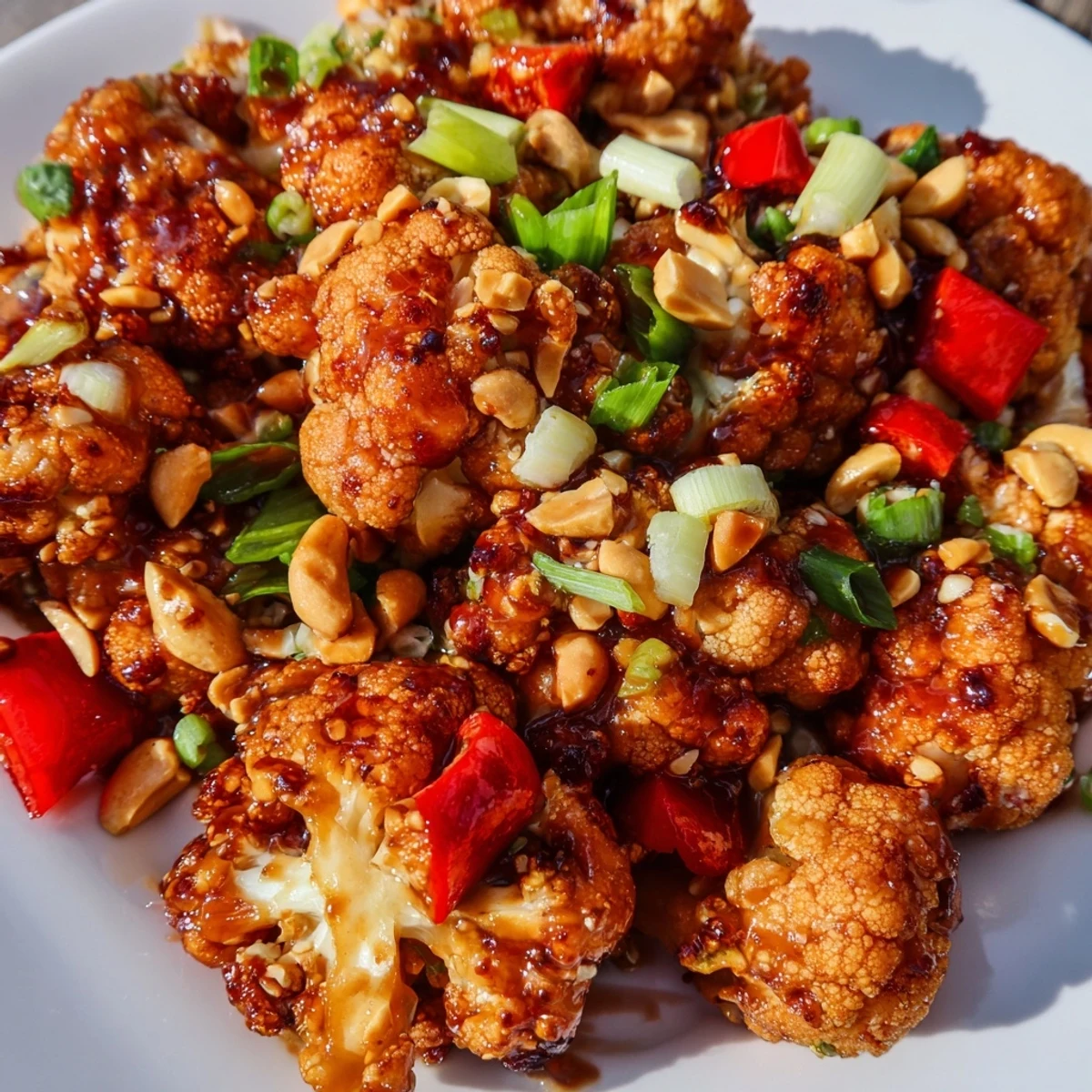
My roommate walked in while I was tossing the cauliflower with cornstarch and asked if I was making donuts. That is how golden and tempting these florets look before they even hit the sauce.
Ingredients
- 1 large head cauliflower: Cut into bite-sized florets so every piece gets coated in that cornstarch crust and absorbs the sauce evenly
- 2 tbsp cornstarch: This is the secret to getting that restaurant-style crispy exterior without deep frying
- 1 tbsp vegetable oil: Just enough to help the cornstarch stick and promote even browning
- ½ tsp salt: Seasons the cauliflower itself so the flavor goes all the way through
- 3 tbsp soy sauce: Use tamari if you need this gluten-free but regular soy sauce gives the deepest flavor
- 2 tbsp rice vinegar: Adds that essential bright tang that cuts through the rich sauce
- 1½ tbsp hoisin sauce: Brings the complex sweetness and depth that makes Kung Pao taste like Kung Pao
- 1 tbsp maple syrup or sugar: Balances the vinegar and heat for that perfectly addictive sweet-savory balance
- 1 tbsp sesame oil: A little goes a long way and adds that unmistakable nutty aroma
- 2 tsp cornstarch: Thickens the sauce so it clings to every piece of cauliflower
- 2 tbsp water: Thins the sauce just enough to coat everything evenly
- 1 tbsp vegetable oil: For the stir-fry phase
- 4 dried red chilies: Toast these in the oil first to infuse it with heat before adding anything else
- 3 cloves garlic: Mince these fresh so they release their full flavor into the oil
- 1 tbsp fresh ginger: Peel and mince it yourself—pre-minced ginger never quite has the same punch
- ½ cup unsalted roasted peanuts: These provide the classic crunch that makes every bite satisfying
- 1 red bell pepper: Diced small so it cooks quickly and adds sweetness and color
- 4 green onions: Separate the white and green parts—whites cook with aromatics, greens garnish at the end
Instructions
- Roast the cauliflower:
- Preheat your oven to 425°F and line a baking sheet with parchment paper. In a large bowl, toss the cauliflower florets with cornstarch, oil, and salt until every piece is lightly coated. Spread them in a single layer on the baking sheet and roast for 20 to 25 minutes, flipping halfway through, until golden and crispy-tender.
- Make the sauce:
- While the cauliflower roasts, whisk together the soy sauce, rice vinegar, hoisin, maple syrup, sesame oil, cornstarch, and water in a small bowl until smooth. The cornstarch will settle as it sits, so give it another quick whisk right before adding it to the pan.
- Toast the chilies:
- Heat a tablespoon of vegetable oil in a large skillet or wok over medium-high heat. Add the dried red chilies and toast them for about 30 seconds until they darken slightly and become fragrant—this infuses the oil with heat before anything else hits the pan.
- Build the aromatics:
- Add the garlic, ginger, and white parts of the green onions to the chili-infused oil. Stir-fry for about 1 minute until the garlic is golden and the kitchen smells incredible.
- Add the vegetables:
- Toss in the diced red bell pepper and cook for 2 to 3 minutes until it is just tender but still has some crunch. You want it to hold its texture in the final dish.
- Combine everything:
- Add the roasted cauliflower and peanuts to the pan. Pour in the sauce and stir well to coat everything evenly. Cook for 2 to 3 minutes, stirring constantly, until the sauce thickens and clings to the cauliflower in a glossy glaze.
- Finish and serve:
- Remove the pan from the heat and scatter the green parts of the onions over the top. Serve immediately while the cauliflower is still crispy and the sauce is hot.
 Save
Save This recipe became my go-to for dinner parties because everyone assumes it took hours to perfect. The best part is watching skeptics become converts after one bite of that sauce-covered cauliflower.
Make It Your Own
Sometimes I swap cashews for peanuts or add baby corn and snap peas for extra crunch. The sauce is forgiving and works with whatever vegetables you have in the crisper drawer.
Serving It Right
Steam some white rice or quinoa while the cauliflower roasts so everything comes out hot at the same time. The rice soaks up that extra sauce like a dream.
Perfecting The Heat
Start with fewer chilies if you are unsure about spice levels—you can always serve chili flakes on the side for heat lovers to add themselves.
- Remove chilies before serving if you want the flavor without the intense heat
- Add a pinch of Sichuan peppercorns for that authentic tingly sensation
- Double the maple syrup if you prefer a sweeter American-style Kung Pao
 Save
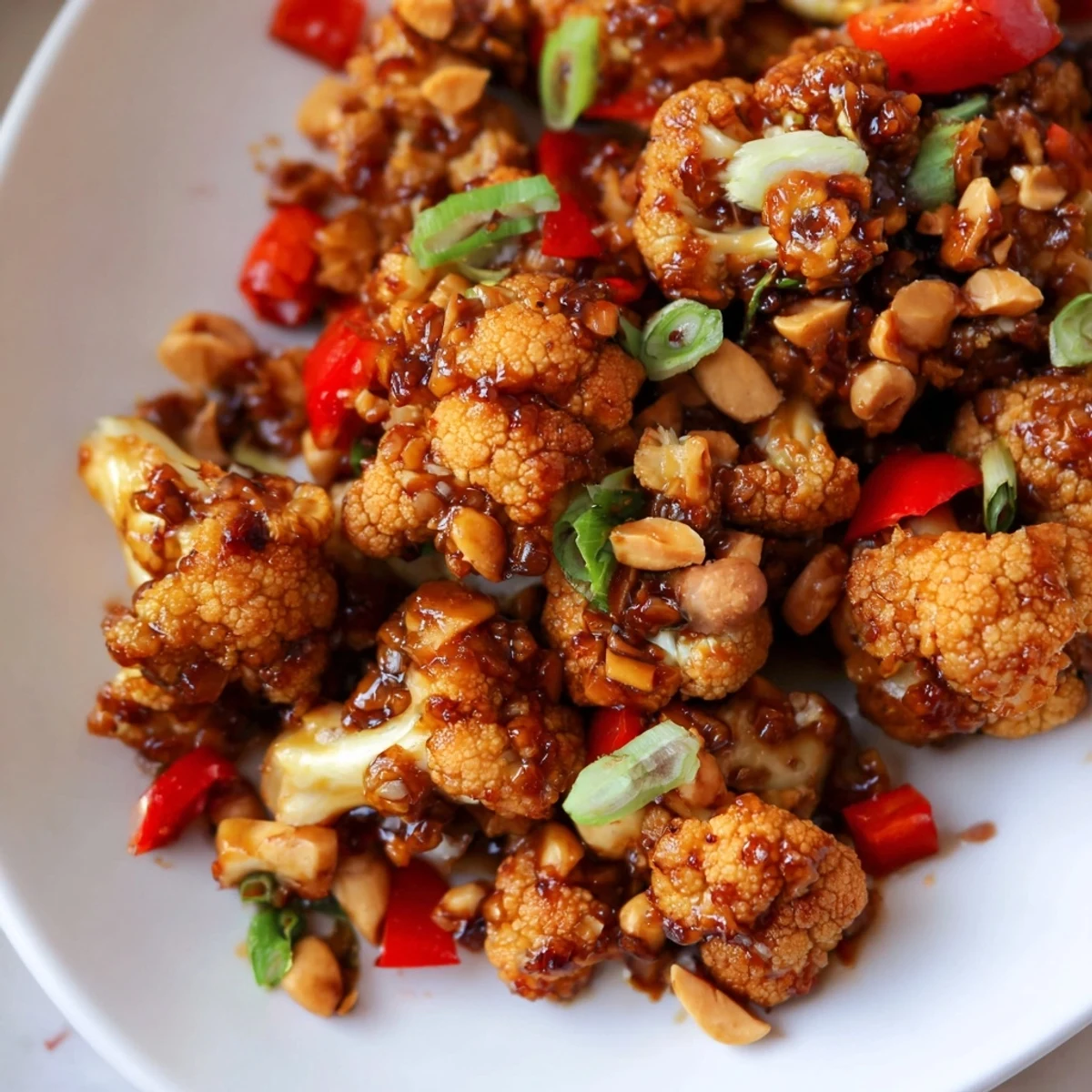
Save This is the recipe that finally convinced my carnivore uncle that plant-based meals can be just as satisfying as the real thing.
Recipe Q&A
- → How spicy is this dish?
-
The heat level is adjustable. Using 4 dried red chilies provides a medium warmth that's approachable for most palates. Add Sichuan peppercorns for authentic numbing heat, or reduce chilies for a milder version that still delivers flavorful depth.
- → Can I make this gluten-free?
-
Absolutely. Simply substitute regular soy sauce with tamari and ensure your hoisin sauce is certified gluten-free. The cornstarch coating and thickener in the sauce are naturally gluten-free, making this an easy adaptation.
- → What's the best way to store leftovers?
-
Store in an airtight container in the refrigerator for up to 3 days. The cauliflower will soften slightly but reheats beautifully in a skillet over medium heat for 5-7 minutes. Avoid microwaving as it can make the coating soggy.
- → Can I use other nuts instead of peanuts?
-
Cashews work wonderfully as a substitute and provide a buttery crunch. You could also try almonds or walnuts for different flavor profiles. Just ensure they're roasted and unsalted to maintain the balance of flavors in the sauce.
- → Why roast the cauliflower first?
-
Roasting at high heat creates a golden, crispy exterior that holds up beautifully when tossed with the sauce. This two-step method ensures the cauliflower maintains texture rather than becoming mushy, mimicking the satisfying bite of traditional stir-fried meat.